- Small Dog Place Home
- A-Z Breeds A to M
- Cesky Terrier
Cesky Terrier: Excellent Hunter or Devoted Family Pet?
Cesky Terrier: A rare, loyal, and intelligent terrier-companion
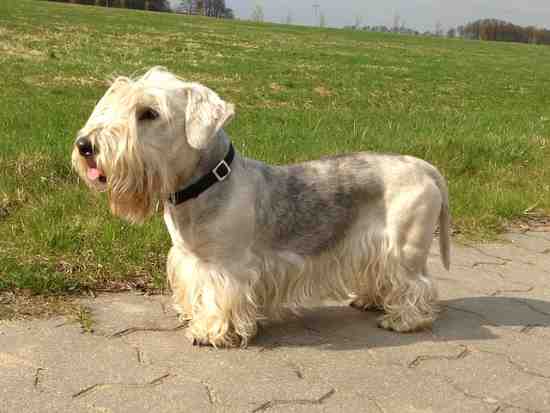
The Cesky Terrier (pronounced “chess-kee”) is a short-legged, well-muscled terrier developed in the Czech Republic for going to ground and hunting, yet calm enough to be a companion at home.
Cesky Terrier Fast Facts
| Group | Terrier (Working/Companion) |
| Origin | Czech Republic – developed in the late 1940s by František Horák |
| Height | Ideal 11½ in (males), 10½ in (females) |
| Weight | 13–22 lbs (ideal range) |
| Life Span | 12–15 years |
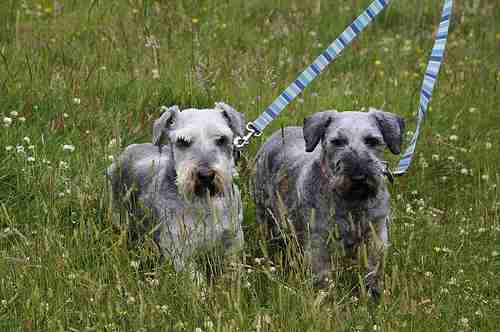
| Colors | Grey shades (charcoal to platinum) or rare coffee/light brown; puppies often born black or brown and lighten with age |
| Coat Type | Soft, silky coat; clipped rather than hand-stripped |
| Grooming Needs | Weekly brushing; professional trimming every 6–10 weeks |
| Shedding Level | Low to moderate |
| Exercise Needs | Moderate — 30–60 minutes daily (walks, play, enrichment) |
| Barking Level | Moderate — alert but not excessively noisy |
| Recognition | AKC recognized 2011; FCI recognized 1963 |
| Popularity Rank (U.S.) | Among the rarest AKC breeds (2024 ranking) |
| Last Updated | November 2025 |
Is the Cesky Terrier Right for You?
Great fit if you want:
- A compact terrier with less hyperactivity than many terriers.
- A loyal companion with hunting-heritage instincts but adaptable to home life.
- Moderate grooming interest (you enjoy the look of clipped/trimmed coat) and are okay with the rarity of the breed.
May not be ideal if you:
- Want a “very easy” low-maintenance dog (the Cesky still needs grooming and consistent training).
- Have many very small pets such as guinea pigs or hamsters (the prey drive is present).
- Expect an ultra-common breed with lots of puppies available locally.
Temperament & Personality
The Cesky Terrier is described as calm, affectionate, and trainable, albeit somewhat reserved toward strangers.
- With household members: Bonds closely, enjoys play and companionship.
- With children/other pets: Generally good, but early socialization is key and supervision needed around smaller animals due to terrier instincts.
- With strangers: May take a moment to warm up — this reserve is typical of the breed standard.
- Training: Smart and moderately quick; respond best to positive reinforcement and consistency.
- Home environment: Adaptable to apartments or houses if exercise and enrichment are provided.
Grooming & Coat Care
Coat style: Soft, silky; textured but fine. Standard specifies a clipped coat to emphasize lean body and movement — not hand-stripped.
Tools / frequency: Weekly brushing to prevent mats especially around beard/legs; professional trim every ~6–10 weeks (varies by owner preference).
Mini how-to list:
- Brush through coat (slicker + comb) once per week.
- Clean ears and check nails every 1–2 weeks.
- Bathe as needed (every ~4–8 weeks) depending on your dog’s activity.
- Trim/clipped coat every ~6–10 weeks for show-look or home-companion look.
- Keep beard/legs tidy; check for tangles, debris, mats.
Other care: Dental hygiene, nail control, regular ear & eye checks. While coat-maintenance is moderate, it’s more than a “wash-and-go” breed.
Health & Lifespan
Lifespan: Around 12–15 years with appropriate care.
Known health concerns:
- Scottie Cramp (a non-life-threatening locomotive issue) has been documented in the breed.
- Patellar luxation (kneecap slips) and other joint issues.
- Eye disorders (progressive retinal atrophy, cataracts) and heart conditions (mitral valve disease) have also been cited.
- Because the breed is rare, genetic diversity is more limited—choose a reputable breeder who discusses health clearances.
What you can do:
- Ask breeder for knee (patella) clearances and eye/heart screening.
- Maintain healthy weight and activity to reduce joint/heart strain.
- Regular veterinary check-ups; early detection is important.
- Provide mental enrichment and avoid letting them be overly sedentary.
Exercise & Activity Level
The Cesky Terrier has moderate exercise needs: regular walks, playtime, and mental stimulation will keep them happy.
Since terrier instincts exist, plan safe off-leash or fenced activity if chasing small mammals or birds could be an issue.
Activities they enjoy: brisk walks, terrier-style scent/nose games, short bursts of active play, and relaxed family time.
Because they’re less frenetic than many terriers, they may adapt better to apartment living if their daily activity and mental stimulation are met.
History of the Cesky Terrier
- Developed in the late 1940s by František Horák in Czechoslovakia. He crossed a Scottish Terrier and a Sealyham Terrier (and likely Dandie Dinmont/other lines) to create a terrier capable of hunting small game and burrowing, but calm enough for companionship.
- Official recognition: The breed gained FCI recognition in 1963.
- In the U.S., the AKC recognized the breed in 2011. American Kennel Club
- Name: “Český teriér” meaning “Czech terrier” — often spelled “Cesky Terrier” in English.
 The Cesky Terrier
Appearance & Breed Standard Highlights
Frame: Short-legged, well-muscled, rectangular format (body longer than height).
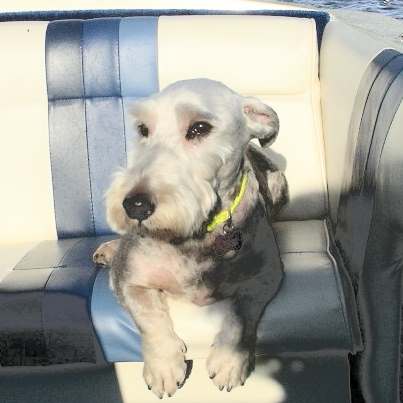
Head: Long, blunt wedge; almond-shaped eyes; drop ears set high. Nose black (in grey dogs) or liver (in coffee dogs).
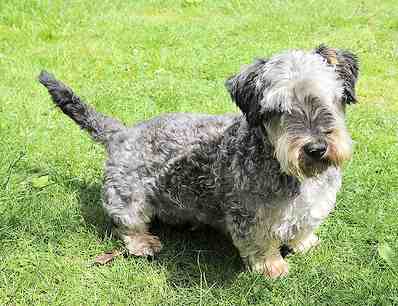
Coat & color: Soft silky coat; clipped; color either grey shades (charcoal-platinum) or rare coffee. Puppies often born black or brown and lighten with age.
Movement: Free, graceful, with topline that rises slightly over loin/rump.
“The correct coat is clipped, not hand-stripped. The hallmarks of the breed should be unique unto itself with a lean body and graceful movement.” (AKC)
Finding a Cesky Terrier
- Availability: One of the rarer breeds in the U.S.; expect wait-lists and fewer breeders. American Kennel Club
- Cost: Typical for rare breed puppies (depending on breeder/region), plus long-term grooming & health investment.
- How to find: Use the parent club (e.g., American Cesky Terrier Fanciers Association) breeder directories. americanceskyterrierfanciersassociation.org
- Rescue or adopt when possible (some may be listed via terrier rescue networks).
- Ask breeders: health clearances (patella, eyes, heart), temperament/family history, number and diversity of litters.
- Buyer tips: Visit in person, see parents or breeding environment if possible. Ask what grooming/trimming regimen the breeder recommends. Ensure early socialization of puppy (critical for terrier breeds). Budget for life-long grooming & care (though moderate vs ultra-high grooming dogs).
Compare With Similar Breeds
| Breed | Size | Coat Type | Temperament | Maintenance |
|---|---|---|---|---|
| Scottish Terrier | 10–11 in; 18–22 lbs | Dense, wiry coat; hand-stripped | Bold, independent, confident | High (requires stripping) |
| Sealyham Terrier | 10.5–11 in; 20–24 lbs | Long, soft coat; hand-stripped | Friendly yet independent | High (stripping & scissoring) |
| Cesky Terrier | 10–12 in; 13–22 lbs | Soft, silky coat; clipped | Calm, loyal, adaptable | Moderate (regular clipping) |
Frequently Asked Questions
Are Cesky Terriers hypoallergenic?
Are Cesky Terriers hypoallergenic?
They shed less than many terriers due to the silky, clipped coat—but “hypoallergenic” is not guaranteed. All dogs produce dander. Regular grooming and cleaning help.
How much exercise do they need daily?
How much exercise do they need daily?
Moderate exercise: ~30–60 minutes per day (walk + play + mental stimulus) will satisfy most. For apartment dwellers, additional indoor games/noise may help.
How often should I groom a Cesky Terrier?
How often should I groom a Cesky Terrier?
Brush weekly; plan for professional or serious trimming/clipping every ~6–10 weeks. Daily facial/leg checks for mats help with upkeep.
Are they good with kids or other pets?
Are they good with kids or other pets?
Yes—with supervision and early socialization. They’re loyal and affectionate with family, but the terrier prey drive means small pets (rats, hamsters, birds) need safe handling.
What health problems should I be aware of?
What health problems should I be aware of?
While generally healthy, owners should be aware of conditions such as Scottie Cramp, patellar luxation, eye disorders (PRA/cataracts), and heart valve disease.
Choose a breeder who does clearances.
Pros
- Great Family Dogs
- Very healthy
- Excellent with children
- Easy to train
Cons
- Rare in many parts of the world
- Have strong prey drive, digging and other terrier qualities
- Needs socialization early and throughout the lifespan
Written by: Janice Jones, Dog Breed Educator
Last updated: November 2025
This article includes factual updates from the AKC, FCI breed standards and parent club guidance, current as of November 2025.
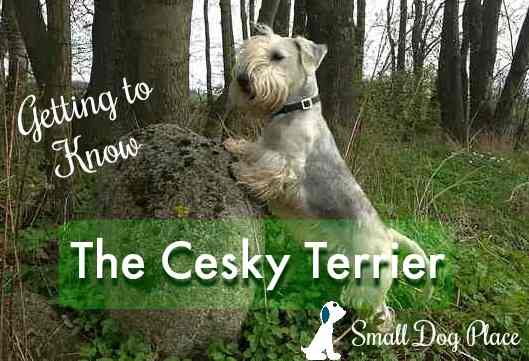
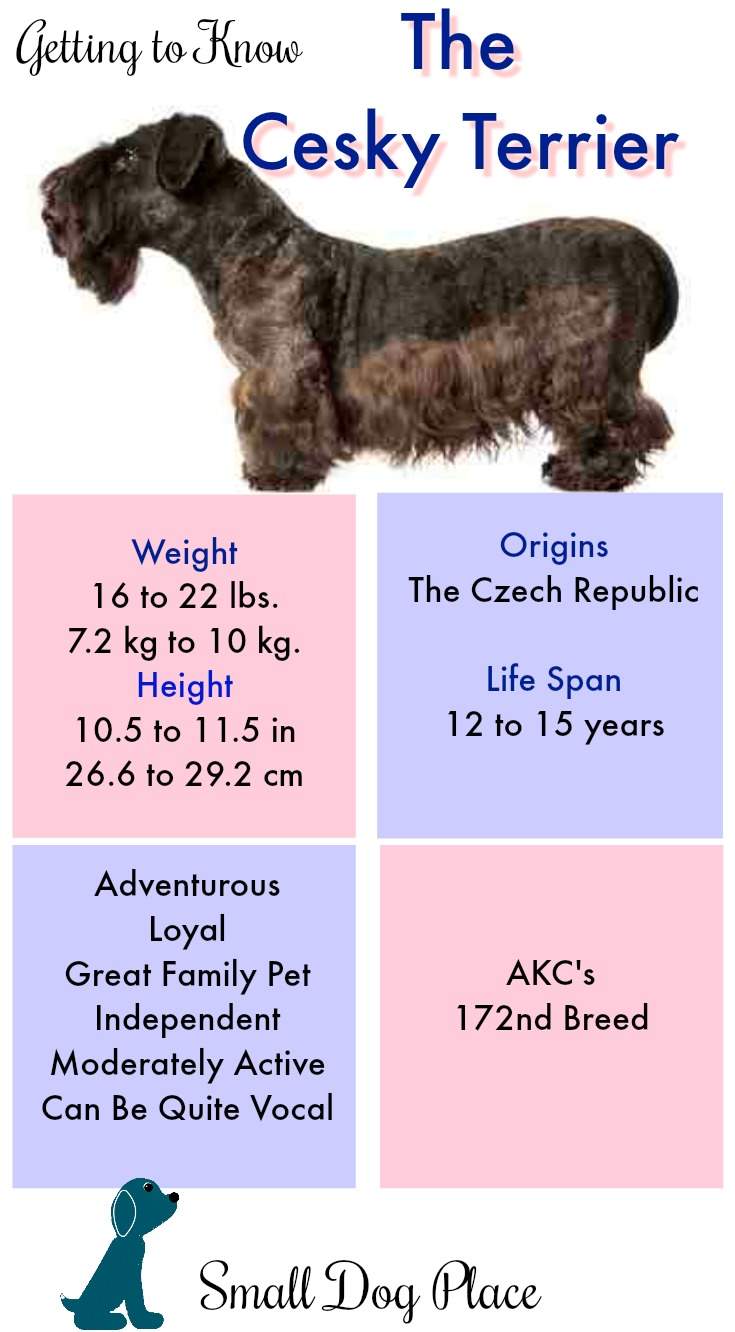
Getting to Know the Cesky Terrier
Pin for Future Reference

More About Janice (author and voice behind this site)
Janice Jones is a small dog specialist with a background in grooming, training, and animal behavior, combining hands-on breeding experience with degrees in psychology and counseling psychology. She has spent 50 years owning and caring for small dogs and 15 years breeding, with early work in veterinary hospitals and shelters, assisting with surgery, lab work, and client care. She shares practical advice at SmallDogPlace.com and across social platforms. A lifelong Shih Tzu enthusiast, she now works alongside her dogs, who rarely leave her side. Visit my " About Me " page for more details.
She is the creator of SmallDogPlace.com, MiracleShihTzu.com, and Smart-Knit-Crocheting.com. A lifelong Shih Tzu enthusiast, she now works alongside her dogs, who rarely leave her side.

Free Monthly Newsletter
Sign Up for Our Free Newsletter and get our Free Gift to You.
my E-book, The Top 10 Mistakes People Make When Choosing a Dog (and how to avoid them)