- Small Dog Place Home
- Diseases
Small Dog Diseases
Small Dog Diseases by Janice Jones |Last Updated January 19, 2026
Small dogs are generally healthy and long-lived, but they are not immune to disease.
Some medical conditions affect all dogs regardless of size, while others are more common in small breeds due to genetics, anatomy, or longevity.
This page is a comprehensive reference guide to small dog diseases and medical conditions.
It is designed to help dog owners recognize common illnesses, understand potential causes and symptoms, and know when veterinary care may be needed.
Many health problems seen in small dogs occur later in life simply because small breeds tend to live longer.
Others are related to inherited traits, physical structure, or breed-specific vulnerabilities.
While not every small dog will experience these conditions, awareness and early recognition are important for better outcomes.
Diseases and medical conditions are listed alphabetically below.
Each link leads to a detailed article covering symptoms, causes, treatment options, and general care considerations.
This information is intended to support informed decision-making, not replace professional veterinary diagnosis or treatment.
For prevention, wellness care, and strategies to keep your dog healthy at every stage of life, see our complete Small Dog Health Guide.
If you are new to researching canine illnesses, you may find it helpful to start with our overview of common dog diseases, which highlights several frequently diagnosed conditions before exploring the full list below.
Dog Infectious Diseases
Keep in mind that all dogs are susceptible to
infectious diseases such as Parvo, all dogs can get worms, and all dogs can be
bothered by external parasites such as fleas and Ticks. In fact there are at least 6 if not more preventable dog diseases that no dog should ever get.
These issues are common in all dogs and can be prevented through yearly veterinary exams, vaccinations, wormings, and external parasite control.
Keep your small dog healthy with these simple pet health tips.
Can Your Dog Make You Sick?
Most small dog diseases can not be passed onto people, but there are some that you should know about, namely zoonotic diseases. Zoonotic diseases are caused by germs that can pass between people and animals. They can spread in two ways: Direct and Indirect Transmission.
Direct transmision means that there is direct contact with some form of bodily fluid such as saliva, blod, urine or feces. Indirect contact means that germs are spread by coming into contact with a contaminated surface such as a dog bed, food and water bowl, or soil and grass where germs remain hidden.
The Centers for Disease Control and Prevention (CDC) explains 3 ways that people or animals contaminate each other including water, food, and through a vector such as a flea, tick, or mosquito. Eating unsafe or contaminated food is a common way a person may get sick. Drinking or coming into contact with contaminated water is the other way a person or pet can get sick.
Here is a list of common zoonotic diseases that can pass from dogs to people. Note that these diseases can be passed by dogs of all sizes, not just small breed dogs.
- Rabies
- Giardia
- Ringworm
- Leptospirosis
- Lyme Disease
- Roundworms
- Hookworms
- Tapeworms
- Scabies
Small Dog Diseases & Health Problems
Some small dog health problems are more common in certain breeds and those breeds that are most popular tend to have genetic or inherited diseases show up more because of inbreeding and indiscriminate breeding practices.
As a general observation, many small breeds are prone to similar maladies so rather than describe breed specific problems, we have added this page as a table of contents of dog diseases. Go to your breed of choice page and scroll down to learn about their specific diseases.
As a whole, small dogs are healthy but they do have some concerns unique to their size.
Most Common Small Dog Diseases

Here are seven common illnesses that can affect your small dog, as well as some of the symptoms your pet could be exhibiting. Find out what the seven most common dog diseases are.
If you suspect that your pup has one of these diseases, take it to see a veterinarian as soon as possible so that it can receive proper treatment.
How to Use This Small Dog Diseases Guide
This page is an alphabetical reference to medical conditions that may affect small-breed dogs. Each entry links to a detailed article covering symptoms, causes, diagnosis, and treatment considerations.
For prevention, nutrition, and wellness care, visit our
Small Dog Health Guide.
[A-B] [C-D] E-F] [G-H] [I-J] [K-L] [M-N] [O-P]
[Q-R] [S-T] [U-V] [W-X-Y-Z]
[A-B]
Puppy Bladder Infections

Puppy bladder infections may be more common than we think, especially in small-breed puppies.
Brachycephalic Syndrome

Brachycephalic syndrome is not a disease, but a set of characteristics that can cause slight to life-threatening breathing problems.
[C-D]
Canine Atopic Dermatitis

One of the most frustrating aspects of being a dog owner is when your dog suffers from allergies.
Cherry Eye
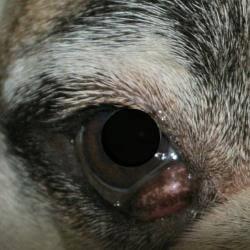
Whether you believe that a cherry eye is a cosmetic problem or a serious medical condition, you have to agree that it is not the easiest sight to behold.
Collapsed
Trachea
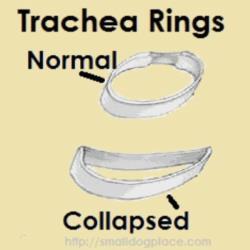
Tracheal collapse is a progressive disease involving the windpipe, most commonly seen in small-breed dogs.
Constipation in Puppies:

Worried your puppy might be constipated?
Coughing in Puppies:

What's Causing it?
The sound of a young puppy gagging or coughing is hard to listen to, especially if you are a new dog owner.
Dehydration in Dogs
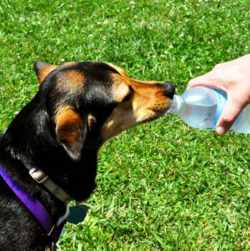
If you’re asking this question, it is probably because you have gone to work without remembering to top up your dog’s water bowl, or there's a biblical drought in your state!
Dental Issues
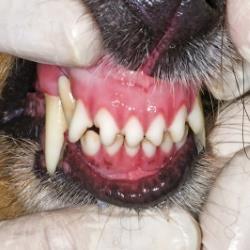
Start off right with a puppy dental care plan.
Diarrhea in Puppies:

Not only is diarrhea in puppies a mess, but it also makes housebreaking nearly impossible.
[E-F]
Ear Infections
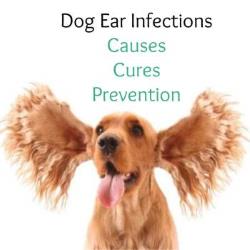
Red, stinky, dirty ears usually mean a dog ear infection is brewing, and with it comes sensitivity, pain, and irritability.
Eyelid Conditions

Should we worry?
You know you have the responsibility to protect them as well as you can.
Fleas: Your Puppy's Worst Enemy

Dog Fleas may not be your puppy’s worst enemy, but it can cause much distress and even disease.
Dog Flea Treatments: Pros and Cons
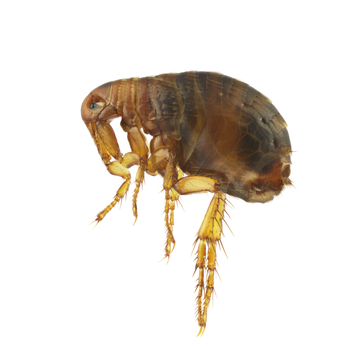
With so many choices on the market, how does one choose the best methods for ridding one's dog of these pesky insects?
[G-H]
Giardia

Giardia in dogs is another annoying parasite that can affect your dog’s health.
Heartworm Disease & Preventive

Heartworm disease is a serious parasitic condition that affects the heart and lungs.
Early detection and consistent prevention play a critical role in managing risk.
Heartworm Disease and Prevention
Hip Dysplasia
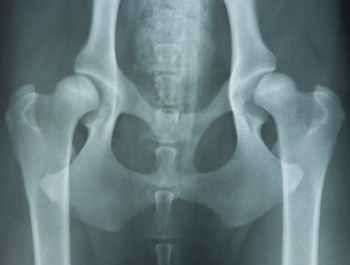 Hip Dysplasia in Small Breed Dogs
Hip Dysplasia is a dreaded disease and the most common cause of rear leg lameness in dogs. Even though it is most common in large-breed dogs, it can also occur in small dogs.
Dog Hip and Joint Pain
 Hip and Joint Pain
When it comes to hip and joint pain treatment for our beloved dogs, the first thing we want to know is, "How can I make life easier and more comfortable for my dogs as they are heavily suffering?"
[I-J]
[K-L]
Legg Calve Perthes Disease

Legg-Calvé-Perthes disease primarily affects small-breed dogs and appears to have a genetic component. The specific causes of the disease are not fully understood.
Luxating Patellas

Patellar luxation, luxating patella, dislocated kneecap, trick knee, and floating kneecaps are terms for a condition in which the kneecap can move in and out of position.
Leptospirosis in Small Dogs

Dog owners may have heard of Leptospirosis in small breeds, but don't know what it is or what it can do to their dog. It's a disease found across the United States and affects multiple organ systems in your dog, leading it to become a severe problem if not treated accordingly.
Lyme Disease in Dogs
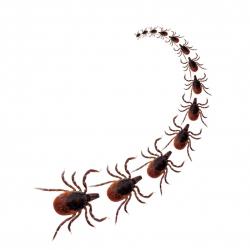
Lyme disease in dogs is one of those devious health problems that can affect your dog, not to mention other species, as well as Humans.
It is caused by a bacterium (Borrelia burgdorferi) carried by the black-legged tick, also known as the small deer tick.
[M-N]
[O-P]
Obesity

Do you have an overweight dog? Perhaps you'd like to ignore the situation, but if your Small breed dog is overweight, you are cheating him out of the chance to live the best possible life.
Overweight small-breed dogs are at increased risk of developing painful conditions like osteoarthritis and life-threatening ones like respiratory, cardiovascular disease, Type 2 diabetes, high blood pressure, and many forms of cancer.
6 Signs Your Shih Tzu is Overweight

Although it may appear that all Shih Tzu have the same anatomy, most people can't tell the difference between an average and an overweight Shih Tzu.
Because Shih Tzu’s bodies are hidden under layers of hair, a visual inspection is not often adequate to ascertain their shape.
This is why owners need to examine their Shih Tzus physically.
Pancreatitis in Dogs

Pancreatitis can range from mild to severe. Some dogs recover quickly with appropriate veterinary care, while others may require more intensive treatment. Because the severity is unpredictable, any dog showing signs of pancreatitis should be evaluated by a veterinarian.
Progressive Retinal Atrophy

Progressive Retinal Atrophy (PRA) occurs in many dog breeds and is a non-painful, inherited retinal disease that leads to blindness.
PRA is not one disease, but a group of them that include dysplastic (abnormal development), dystrophic (loss of cells) or degenerative disease (deterioration) of the retinal cells.
[Q-R]
Reverse Sneeze
A reverse sneeze is a common occurrence in some dogs and can sound menacing, even giving the impression that the dog is choking or worse.
Owners unaware of the problem can rush their dog off to the emergency veterinarian, thinking the dog is about to die. But relax, it sounds worse than it is.
[S-T]
Seizures in Dogs
A general seizure involves a loss of consciousness accompanied by involuntary movements such as muscle contractions, limb paddling, trembling, and facial twitching. During a seizure, dogs frequently salivate, urinate and defecate. The pupils of the eyes are usually dilated.
A partial seizure involves only some of these changes and may or may not include loss of consciousness.
Sensitive Stomachs
As a dog owner, I don’t have to tell you that your four-legged friend is an integral part of your family. Like any other family member you love, you don’t want to see them feeling sick! Unfortunately, some dogs have more sensitive stomachs than others, and some are more prone to dealing with stomach issues.
Help for Dogs with Sensitive Stomachs
Why is My Puppy Sneezing?

One common symptom that alarms new puppy owners is sneezing. It is particularly the case if the puppy repeatedly sneezes or shows other symptoms of illness.
Sneezing is not always a sign of a serious illness in your puppy. Puppies sneeze for many of the same reasons that humans do. An occasional sneeze by you or me is no big deal. That is true for puppies.
As dutiful pet owners, it is a good idea to learn more about our pets.
Spinal Injuries in Small Dogs
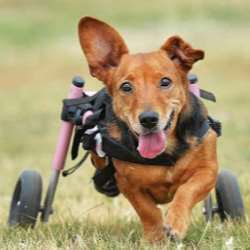
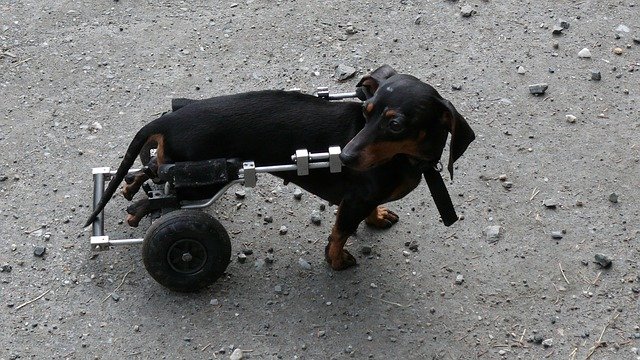
Many small-breed dogs are prone to spinal injuries, including Dachshunds, Corgis, Shih Tzus, and others. It can be a life-altering experience, but there are many new solutions to help your dog live a long, happy life even with a spinal injury.
Treatments can range from acupuncture and physical therapy to natural remedies and even getting a wheelchair for your dog.
Surgery: 7 Conditions that Put Your Dog at Risk

Purebred canines are often afflicted with more health problems than mixed breed dogs. As a pet owner, it’s best to take care of your pet’s health to spare yourself from the stress of medical emergencies, not to mention the cost of small dog surgery.
This way, you can take preventive measures to ensure your furry pal stays healthy and strong.
This article lists common health conditions of small dog breeds that may need surgical intervention.
Dog Ticks: Should You Be Concerned?
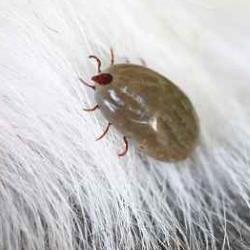
They look like insects, but Ticks are real arachnids, in the same family as spiders and scorpions, meaning they have 8 legs instead of the usual 6 found in insects.
They do damage to their host by attaching themselves, sucking blood, and transmitting disease. The main issue with dog ticks is not the skin problems they cause, but the disease they can transmit. They can transmit diseases that affect both dogs and people.
[U-V]
Umbilical Hernia
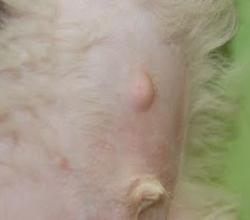
An umbilical hernia is the most common type of hernia found in the dogs. This is a condition where there is a small opening in the abdomen wall area of the umbilicus allowing the possibility of contents from the abdomen to protrude.
This area can be found on the dog’s stomach at the location where the umbilical cord was attached. It appears as a little soft lump or swelling.
Vomiting: Puppies Throwing Up Undigested Foood
Dogs Throwing Up Undigested Food
von Willebrand's Disease

von Willebrand's disease is one of several blood clotting diseases that are found in many different dog breeds. It affects both males and female dogs, alike.
While it can be a serious, life threatening problem, most dogs live most of their lives symptom free. Owners have no idea that there is a problem until something happens such as a traumatic event that involves blood loss.
Worms in Dogs: Are You at Risk For Catching Your Dog's Worms?
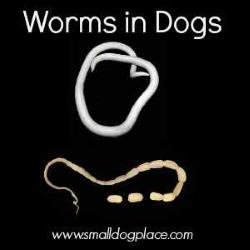


Discussing those Common Worms in Dogs and single-celled organisms that live in dogs does not make for polite dinner conversation.
It can lead to serious health complications if left untreated.
There are several very common worms seen in dogs. Learn about each of the symptoms in your dog and how to treat them.
Yeast Infections in Dogs
This article is accurate and true to the best of the author’s knowledge. No advice on this website is meant to substitute for a diagnosis, treatment, or advice from a veterinarian. Dogs showing symptoms of distress or illness should be seen by a veterinarian immediately.
More About Janice (author and voice behind this site)
Janice Jones is a small dog specialist with a background in grooming, training, and animal behavior, combining hands-on breeding experience with degrees in psychology and counseling psychology. She has spent 50 years owning and caring for small dogs and 15 years breeding, with early work in veterinary hospitals and shelters, assisting with surgery, lab work, and client care. She shares practical advice at SmallDogPlace.com and across social platforms. A lifelong Shih Tzu enthusiast, she now works alongside her dogs, who rarely leave her side. Visit my " About Me " page for more details.
She is the creator of SmallDogPlace.com, MiracleShihTzu.com, and Smart-Knit-Crocheting.com. A lifelong Shih Tzu enthusiast, she now works alongside her dogs, who rarely leave her side.

Free Monthly Newsletter
Sign Up for Our Free Newsletter and get our Free Gift to You.
my E-book, The Top 10 Mistakes People Make When Choosing a Dog (and how to avoid them)