- Small Dog Place Home
- Health
Small Dog Health: Your Ultimate Guide To Keeping Your Dog Healthy
by Janice Jones Last Updated January 19, 2026
Small dog health requires a different approach. Dogs under 25 pounds face unique medical, dental, metabolic, and preventive care challenges that are often overlooked in general dog health advice written for medium and large breeds.
This page is your comprehensive guide to understanding small dog health, covering prevention and wellness, common conditions, parasites, vaccinations, weight management, and age-related concerns. Whether you are caring for a puppy, adult, or senior small dog, the goal is the same: helping your dog live a longer, healthier, more comfortable life.
The information here is written specifically for small dog owners and is based on real-world veterinary experience, research, and long-term observation of small breeds. You’ll find practical guidance, clear explanations, and links to in-depth resources to help you make informed decisions about your dog’s care.
If you’re looking to prevent problems before they start, recognize warning signs early, and understand what truly matters for small dog health, this guide will show you where to begin.
Preventive Health Care for Small Dogs
 Small Dog Health Resources
To keep your dog in tip top shape requires one to consider all the ways they can prevent problems from occurring. All dogs should enjoy a life filled with health, energy and vitality.
As a pet parent, there are many ways you can help your dog stay healthy. The bonus for you? Reduced trips to the vet and large outlays of money to treat potentially preventable problems.




Sun Protection for You and Your Small Dog

A small dog's buzzy energy makes them the perfect companion for an outdoor walk. It’s good for the owner and the pup's health while facilitating deeper bonding.
A study in PLoS One found that duos who walk dogs more often have higher attachment levels, and that higher levels of physical activity also protect against adverse health outcomes.
Learn what sun protection your small dog needs to stay safe.
Puppy and Adult Vaccination Guide
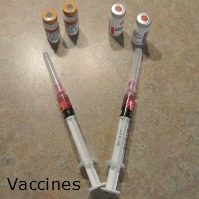
There is little agreement among veterinarians about what is best for each dog when it comes to vaccination. What is worse, many people have heard horror stories about vaccine reactions in people.
With all this controversy, wouldn’t it be easier not to vaccinate at all? Some think so, but before you make a decision, read this article.
- Dogs Throwing Up Undigested Food
- Foods Toxic to Dogs
- Plants Toxic to Dogs
- Dogs and Sleep: How Much Sleep Does Your Dog Need?
- Preventable Small Dog Diseases
Small Dog Health and Wellness Across the Lifespan
Puppies
Senior Dogs
- How to Guide Your Senior Dog into Aging with Ease
- How to Care for Your Senior Dog
- Senior Dog Health Tips
Holistic and Alternative Health Resources
Alternative and holistic treatments should never replace professional veterinary care. The following resources are provided for educational purposes and should be discussed with a veterinarian before use.
Supplements
CBD Oil for Dogs in Pain: All the Facts You Need to Know
CBD as an Antioxidant for Small Dogs: What you Need to Know
10 Ways to Boost Your Dog's Immunity
Alternative Therapies
Stem Cell Therapy with Small Dogs: How it Can Help
Parasites and Infectious Diseases in Small Dogs
Heartworm Preventative

Heartworm disease is one of the most serious yet preventable conditions affecting dogs. Because treatment is difficult and carries risks, veterinarians emphasize year-round prevention as part of routine health care.
Learn how heartworm disease develops, symptoms to watch for, and treatment options in our detailed Heartworm Disease Guide, and discover practical prevention steps in our Heartworm Prevention Resource.
Dog Ticks: Should You Be Concerned?
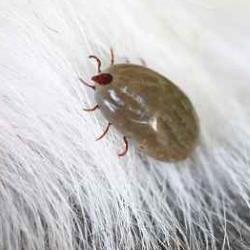
They look like insects, but Ticks are real arachnids, in the same family as spiders and scorpions, meaning they have 8 legs instead of the usual 6 found in insects.
They do damage to their host by attaching themselves, sucking blood, and transmitting disease. The main issue with dog ticks is not the skin problems they cause, but the disease they can transmit. They can transmit diseases that affect both dogs and people.
Worms in Dogs: Are You at Risk For Catching Your Dog's Worms?
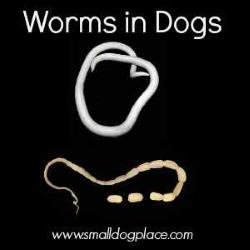
Discussing those Common Worms in Dogs and single-celled organisms that live in dogs does not make for polite dinner conversation.
However, if left unchecked, these little creatures can lead to serious health complications if left untreated.
There are several very common worms seen in dogs. Learn about each of the symptoms in your dog and how to treat them.
Fleas in Winter: Protect Your Dog From These Pesky Parasites

Although fleas and ticks are most active during the warmer months (starting in March in some states in the U.S.), the American Kennel Club warns that they are a threat to pets all year round. Find out how you can manage these external parasites year-round.
Read about Fleas in Winter
Fleas Throughout the Year
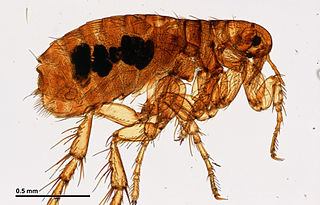
Dog Fleas may not be your puppy’s worst enemy, but they can cause much distress and even disease.
When we think about external parasites on dogs, the first critters that come to mind are fleas, ticks, and mites.
These tiny insects can become problems for your small dog and for you, causing itchy skin and hair loss, and some can transmit diseases such as bubonic plague, typhus, and Lyme Disease.
Jump to the Article all about Fleas or Flea Treatments
Lyme Disease
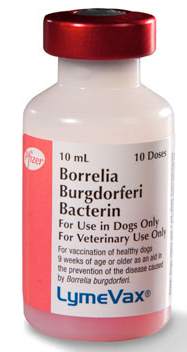
Lyme disease in dogs is one of those devious health problems that can affect your dog, not to mention other species, as well as Humans.
It is caused by a bacterium (Borrelia burgdorferi) carried by the black-legged tick (Ixodes scapularis), also known as the small deer tick.
Learn more about Lyme Disease in Dogs.
Giardia In Small Dogs
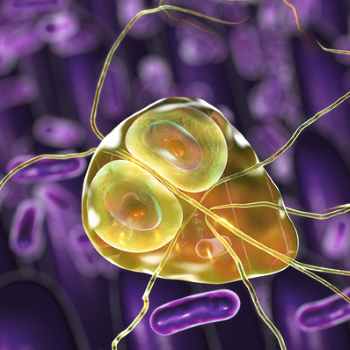
Giardia in dogs is another annoying parasite that can affect your dog’s health. This small protozoan, Giardia, is not a worm but a one-celled organism that can also cause harm in many animals, including people, although it’s not entirely clear how common transmission between dogs and people is.
Jump to my article on Giardia in Dogs
Mosquito Bites on Small Dogs
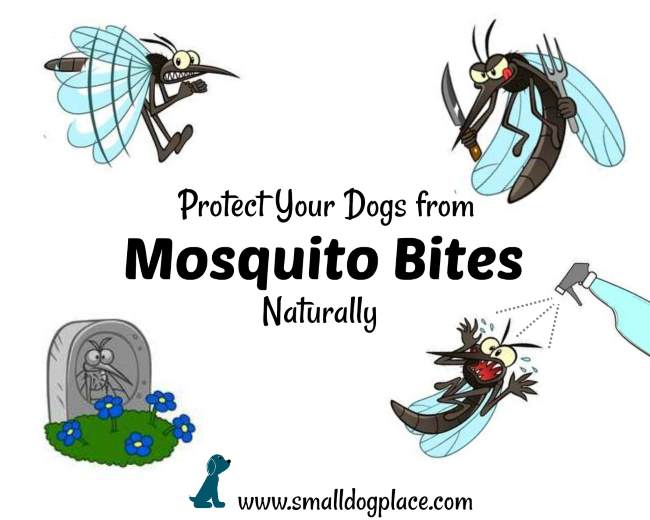
Mosquitoes are extremely active during spring and summer. And since they are not only extremely aggravating but can also transmit diseases with serious health risks, we have to make sure we protect ourselves from these pesky insects.
But humans are not the only targets of mosquitoes; they bite animals, too. If we have the means and abilities to keep ourselves safe from mosquitoes, animals don’t have that luxury, so we are responsible for providing mosquito protection for our pets.
Learn what mosquito bites on your small dog can mean.
Signs Your Dog Has a Sleep Disorder

Similar to humans, sleep is imperative for a dog’s overall health and well-being. Depending on the breed, your four-legged friend should sleep between 12 and 14 hours per day. This includes the time they sleep both at night and during the day.
Do you suspect that your dog isn’t sleeping enough or may be suffering from a sleep disorder? Knowing the warning signs of sleep disorders in dogs and the different types can help you make a quick diagnosis and get them the treatment they need.
How to Cope with Seasonal Allergies


Spring is in the air, which means that allergy season is already in full swing across many parts of the USA.
While it is no secret that countless Americans are affected by seasonal allergies, we don't always realize to what extent our beloved canine companions can also be affected by the changing seasons.
Read how to cope with Seasonal Allergies
This article is accurate and true to the best of the author’s knowledge. No advice on this website is meant to substitute for a diagnosis, treatment or advice from a veterinarian. Dogs showing symptoms of distress or illness should be seen by a veterinarian immediately.
Focus on Health and Wellness and Not on Disease
Common Diseases in Small Dogs
While prevention and wellness play a major role in keeping dogs healthy, some conditions are more common in small breeds. Learn about symptoms, causes, and treatment options in our complete Small Dog Diseases Guide.
Frequently Asked Questions About Small Dog Health
What are the most common health problems in small dogs?
What are the most common health problems in small dogs?
Small dogs are more prone to certain health issues due to their size, genetics, and anatomy. Common problems include dental disease, obesity, heart disease, patellar luxation, parasites (such as worms and fleas), and respiratory issues.
While not every small dog will experience these conditions, being aware of them allows owners to focus on prevention and early detection.
How can I keep my small dog healthy as they age?
How can I keep my small dog healthy as they age?
Maintaining good health in small dogs requires regular veterinary checkups, proper nutrition, dental care, weight management, and age-appropriate exercise.
As dogs get older, their needs change, so monitoring mobility, appetite, sleep patterns, and behavior becomes increasingly important. Early intervention often prevents minor issues from becoming serious health problems.
How often should small dogs see a veterinarian?
How often should small dogs see a veterinarian?
Healthy adult small dogs should typically see a veterinarian at least once a year for a wellness exam.
Puppies, senior dogs, and dogs with chronic conditions may require more frequent visits. Regular checkups help catch health problems early, keep vaccinations up to date, and ensure your dog’s overall well-being.
Can many small dog health problems be prevented?
Can many small dog health problems be prevented?
Yes, many common small dog health problems can be reduced or prevented through proper care. Preventive measures include a balanced diet, maintaining a healthy weight, routine dental care, parasite prevention, vaccinations, and providing a safe environment.
While not all illnesses are avoidable, proactive care greatly improves a dog’s quality of life and longevity.
More About Janice (author and voice behind this site)
Janice Jones is a small dog specialist with a background in grooming, training, and animal behavior, combining hands-on breeding experience with degrees in psychology and counseling psychology. She has spent 50 years owning and caring for small dogs and 15 years breeding, with early work in veterinary hospitals and shelters, assisting with surgery, lab work, and client care. She shares practical advice at SmallDogPlace.com and across social platforms. A lifelong Shih Tzu enthusiast, she now works alongside her dogs, who rarely leave her side. Visit my " About Me " page for more details.
She is the creator of SmallDogPlace.com, MiracleShihTzu.com, and Smart-Knit-Crocheting.com. A lifelong Shih Tzu enthusiast, she now works alongside her dogs, who rarely leave her side.


Free Monthly Newsletter
Sign Up for Our Free Newsletter and get our Free Gift to You.
my E-book, The Top 10 Mistakes People Make When Choosing a Dog (and how to avoid them)