- Small Dog Place Home
- Health
- Dog Throwing Up Undigested Food
Why Is My Dog Throwing Up Undigested Food?
By Janice Jones Last Updated January 21, 2026
Seeing your dog throw up undigested food can be upsetting, especially if it happens suddenly or repeatedly.
In many cases, this type of episode is caused by what your dog ate and may not be serious. In other situations, it can signal an underlying health problem that needs veterinary attention.
This page explains the difference between vomiting and regurgitation, common reasons dogs bring up undigested food, what you can safely do at home, and when it’s time to call your vet.
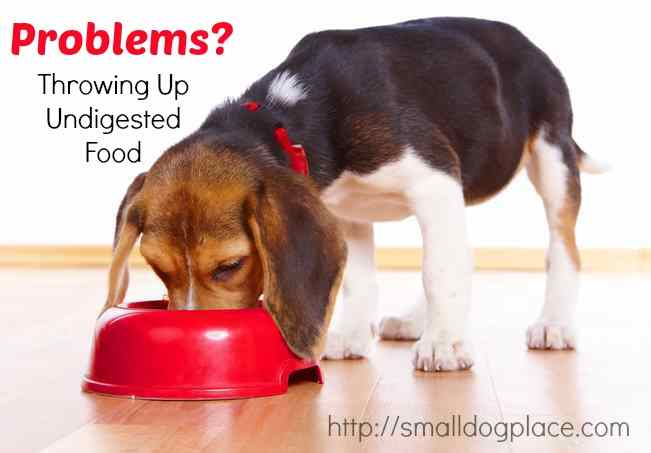
Throwing Up Undigested food Vs. Actual Vomiting
There is a big difference between vomiting and throwing up undigested food.
Undigested food has not had time to encounter the stomach's digestive enzymes, so this food is coming from the esophagus. The act of vomiting involves the involuntary expulsion of stomach contents.
In some cases, repeated vomiting of undigested food may be associated with underlying medical conditions that require veterinary evaluation.
What Causes a Dog to Throw Up His Dinner
Causes can be mild to severe and you need to look at the total picture before jumping to conclusions. Most of the time, the cause is something mundane that you have control of, but not always.
We can often divide causes into several categories:
- How he's eating
- What he's eating
- Undiagnosed health problems he's experiencing
- Normal Behavior
How He's Eating: Typical Eating Habits
- Did he eat too fast?
- Did he eat too much?
- Did he drink too much water after gulping down his food?
- Was he too active after eating his dinner?
Was he experiencing any stress during mealtime? (New people in the home, new pets, new location, return from the vet or groomer).
What He's Eating
If you can't rule out the simple causes, you need to look a little deeper. Here are a few questions to get you thinking.
- Did he get into something he should not be eating? (Chocolate)
- Is the dog food fresh and healthy? (Even dry food has a shelf life. Was there a recall on the food? Did the food get stale and moldy before serving?)
- Did he swallow something that he shouldn't have eaten such as a toy or chew bone.
- Has he been eating grass or something else outside? (Twigs, poisonous plants, pebbles)
- Did he eat his or another animal's poop?
- Did he experience a sudden change of food?
- Is he throwing up undigested food with other accompanying symptoms ?
What substances go into the stomach may have a big impact on later vomiting.
This is how the body protects itself but eliminating nasty substances that could make the dog even sicker. If this is the case, the dog is actually better off throwing it back up.
A Dog Throwing Up Undigested Food Could Mean Health Problems
These conditions are less common, but your veterinarian may consider them if vomiting is frequent or worsening, or if it is accompanied by other symptoms.
If your dog regularly throws up, you need to seek veterinary care. Some of the more serious reasons for vomiting in
- Liver disease
- Pancreatitis
- Kidney failure
- Cancer
- Stomach ulcers
- viral or bacterial infections
- Intestinal parasites
- Gastritis
- Diabetes
- Inner ear disease
- Addison Disease
Many of these serious problems are also accompanied by other signs such as lethargy, blood in urine or stool, fever and dehydration. These are problems that need veterinary attention.
What About Yellow Bile Vomiting?
Some dog owners notice that instead of food, their dog throws up a yellow or yellow-green liquid. This is usually bile, a digestive fluid produced by the liver and stored in the gallbladder.
Vomiting bile is not the same thing as throwing up undigested food.
Common reasons dogs vomit yellow bile include:
- An empty stomach (often first thing in the morning)
- Going too long between meals
- Mild stomach irritation
- Acid reflux or bile reflux
- Stress or anxiety
In many otherwise healthy dogs, occasional bile vomiting happens when stomach acid builds up with nothing to digest.
Is Yellow Bile Vomiting Dangerous?
Occasional bile vomiting, especially once in a while, is usually not an emergency.
However, yellow bile vomiting becomes more concerning when it:
- Happens frequently
- Occurs daily or several times a week
- Is accompanied by lethargy, appetite loss, diarrhea, or pain
- Occurs along with weight loss or dehydration
- Happens in very young puppies or senior dogs
In these cases, a veterinary exam is important to rule out underlying issues such as gastritis, pancreatitis, liver disease, or metabolic disorders.
What You Can Do at Home
If bile vomiting is infrequent and your dog otherwise seems well, these steps may help:
- Feed smaller, more frequent meals
- Offer a small bedtime snack to prevent an empty stomach overnight
- Avoid fatty or highly processed foods
- Keep mealtimes calm and consistent
If vomiting continues despite these changes, veterinary guidance is recommended.
Yellow Bile vs. Undigested Food: Key Difference
- Undigested food comes from the esophagus and is often related to eating habits or regurgitation.
- Yellow bile comes from the stomach and is often associated with stomach acidity or irritation.
Knowing which one you’re seeing helps determine whether the issue is likely behavioral, dietary, or medical.
Blockage?
If these symptoms appear together or worsen, contact your veterinarian promptly.
- Diarrhea
- Stomach distress
- Inability to eat
- Weight Loss
- Weakness
Normal Behavior
Another term used for the dog throwing up undigested food is regurgitation. Mother dogs in the wild do this all the time to feed their growing puppies.
When to Call the Vet
Contact your veterinarian if your dog:
- Repeatedly throws up undigested food
- Appears lethargic or uncomfortable
- Has diarrhea, fever, or abdominal pain
- Vomits blood or dark material
- Is a puppy, a senior, or has a chronic condition
Trust your instincts; persistent or worsening symptoms always warrant professional advice.
Solutions
For otherwise healthy adult dogs, your veterinarian may recommend a short period of rest for the digestive system before gradually reintroducing food.
Introduce food slowly or feed a bland diet of unseasoned rice and chicken or boiled ground beef and rice.
If you choose to feed beef and rice, be sure to skim off any fat that rises to the surface during boiling.
If your dog eats too quickly, try a bowl designed for dogs who prefer to inhale rather than eat.
Frequently Asked Questions
Is throwing up undigested food the same as vomiting?
Is throwing up undigested food the same as vomiting?
No. Undigested food usually comes from the esophagus (regurgitation), while vomiting involves stomach contents and digestive enzymes.
Can stress cause dogs to throw up food?
Can stress cause dogs to throw up food?
Yes. Anxiety, excitement, or changes in routine can affect digestion and eating behavior.
Should I change my dog’s food?
Should I change my dog’s food?
Not immediately. Sudden food changes can worsen symptoms. If episodes continue, your vet may recommend dietary adjustments.
Is this dangerous?
Is this dangerous?
Occasional regurgitation is often mild. Frequent or worsening episodes should always be evaluated by a veterinarian.
Is Your Dog Throwing Up Undigested Food?
Pin for Future Reference



More About Janice (author and voice behind this site)
Janice Jones is a small dog specialist with a background in grooming, training, and animal behavior, combining hands-on breeding experience with degrees in psychology and counseling psychology. She has spent 50 years owning and caring for small dogs and 15 years breeding, with early work in veterinary hospitals and shelters, assisting with surgery, lab work, and client care. She shares practical advice at SmallDogPlace.com and across social platforms. A lifelong Shih Tzu enthusiast, she now works alongside her dogs, who rarely leave her side. Visit my " About Me " page for more details.
She is the creator of SmallDogPlace.com, MiracleShihTzu.com, and Smart-Knit-Crocheting.com. A lifelong Shih Tzu enthusiast, she now works alongside her dogs, who rarely leave her side.
Free Monthly Newsletter
Sign Up for Our Free Newsletter and get our Free Gift to You.
my E-book, The Top 10 Mistakes People Make When Choosing a Dog (and how to avoid them)