- Small Dog Place Home
- Best Dog Food
Best Dog Food: What You Don't Know Can Harm Your Dog
Choosing Dog Food for Small Breed Dogs: A Practical, Responsible Guide (Updated for accuracy and modern nutrition standards)
Feeding your small dog well is one of the most important decisions you’ll make as a pet owner. But with hundreds of dog food options on the market — and constant changes in formulations, research, and marketing claims — choosing a food can quickly become confusing.
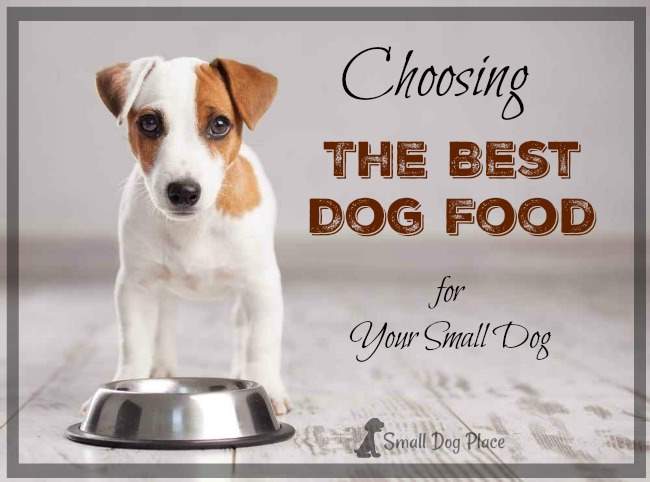
This page is designed to help you understand how dog food is evaluated, how to read labels intelligently, and how to make informed decisions in partnership with your veterinarian — not to prescribe or rank specific diets.
Important Note for Readers
This article is educational only. It does not diagnose, treat, or recommend specific diets for individual dogs. Dogs with medical conditions, allergies, digestive problems, or special nutritional needs should always be evaluated by a licensed veterinarian.
Why Choosing Dog Food for Small Dogs Is Different
Small breed dogs have unique needs compared to larger breeds:
- Higher metabolism relative to body size
- Smaller stomach capacity
- Greater sensitivity to ingredient quality
- Increased risk of dental and digestive issues
Because of this, food that works well for one dog, or even one small breed, may not be appropriate for another.
There is no single “best” dog food for all small dogs.
Why Dog Food Marketing Can Be Misleading
Many dog food packages use words like premium, natural, holistic, or veterinarian-recommended. These terms often sound reassuring, but they are not regulated in a way that guarantees nutritional quality.
This is why learning to evaluate food beyond the front label is essential.
We strongly recommend reading our companion guide:
How to Read and Understand a Dog Food Label
What Actually Matters When Evaluating Dog Food

Rather than ranking foods, experienced owners and professionals look at patterns and principles, including:
Ingredient Transparency
- Clearly named protein sources
- Identifiable fats
- Avoidance of vague terms like “animal digest” or “meat by-product” without explanation
Nutritional Balance
- Foods formulated for the correct life stage (puppy, adult, senior)
- Compliance with AAFCO feeding standards
Individual Tolerance
- Some dogs thrive on foods others cannot tolerate
- Digestive upset, itching, or lethargy are signs that a food may not be appropriate
Consistency Over Trends
- Sudden food changes or trend-driven diets can cause digestive issues
- Any transition should be gradual and thoughtful
Why Food Ratings and Rankings Can Be Misleading
You may see dog foods scored, graded, or ranked online. While these systems are often created with good intentions, they have limitations:
- They cannot account for individual dog health
- They may rely on outdated ingredient assumptions
- Formulas and manufacturing practices change frequently
- Two evaluators may score the same food very differently
For this reason, ratings should be viewed as one perspective, not a prescription.
A Safer Way to Use Dog Food Information
Instead of asking:
“What is the best dog food?”
A better question is:
“What food works best for my dog, given their size, age, health, and tolerance?”
That decision is best made by:
- Observing your dog’s response
- Reviewing ingredient quality
- Consulting your veterinarian when concerns arise
When to Involve Your Veterinarian
Always seek professional guidance if your dog has:
- Chronic digestive issues
- Food allergies or intolerances
- Weight management problems
- Medical conditions requiring dietary support
- Persistent changes in appetite, stool, or energy
Dog food is not a treatment, but it plays a vital role in overall health.
Practical Feeding Guidance for Small Dog Owners

- Choose food appropriate for your dog’s life stage
- Introduce new foods gradually over 5–7 days
- Monitor stool quality, coat condition, and energy
- Avoid frequent switching without an apparent reason
- Be cautious with supplements unless recommended by a veterinarian
Final Thoughts
Feeding your small dog well is not about finding a perfect product; it’s about making informed, responsible choices that support your dog’s individual needs.
By understanding labels, recognizing marketing claims, and working with your veterinarian when needed, you can confidently choose a diet that supports long-term health and well-being.

Related Resources You May Find Helpful
How to Read and Understand a Dog Food Label
Dog Nutrition: What Small Dog Owners Should Know
Grain-Free Dog Food: Benefits and Concerns
Organic Dog Food: Is It Worth It?
More About Janice (author and voice behind this site)
Janice Jones is a small dog specialist with a background in grooming, training, and animal behavior, combining hands-on breeding experience with degrees in psychology and counseling psychology. She has spent 50 years owning and caring for small dogs and 15 years breeding, with early work in veterinary hospitals and shelters, assisting with surgery, lab work, and client care. She shares practical advice at SmallDogPlace.com and across social platforms. A lifelong Shih Tzu enthusiast, she now works alongside her dogs, who rarely leave her side. Visit my " About Me " page for more details.
She is the creator of SmallDogPlace.com, MiracleShihTzu.com, and Smart-Knit-Crocheting.com. A lifelong Shih Tzu enthusiast, she now works alongside her dogs, who rarely leave her side.

Free Monthly Newsletter
Sign Up for Our Free Newsletter and get our Free Gift to You.
my E-book, The Top 10 Mistakes People Make When Choosing a Dog (and how to avoid them)