- Small Dog Place Home
- Feeding
Feeding
Dogs:
Guide to the Small Dog Diet
By Janice Jones |Last Updated February 2026
Feeding dogs well is one of the most important decisions a dog owner makes.
For small dogs, that decision matters even more because their nutritional needs, portion sizes, and sensitivities differ significantly from those of larger breeds.
This page is your starting point for understanding how to feed a small dog safely, responsibly, and with confidence. Whether you are choosing a commercial dog food, considering raw or homemade diets, feeding a puppy for the first time, or dealing with common feeding problems, this guide will help you understand the big picture and point you to reliable, in-depth resources when you need them.
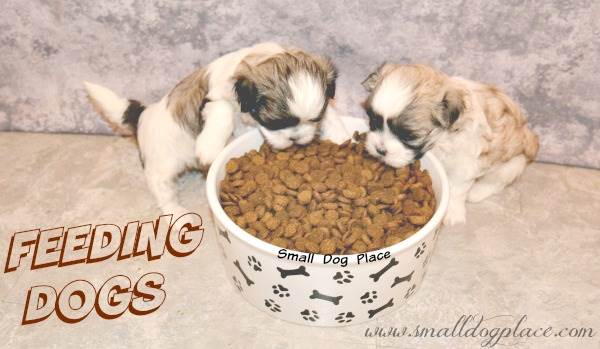 Feeding Dogs: The Ultimate Guide to a Great Small Dog Diet
There is no single “perfect” diet for every dog. Age, size, health, activity level, and individual tolerance all play a role. The goal is not to follow trends or marketing claims, but to make informed choices based on sound nutrition, common sense, and your dog’s specific needs.
Throughout this guide, you’ll find links to detailed articles that explore each topic more deeply. You don’t need to read everything at once. Bookmark this page and return to the sections that matter most to you and your dog.
How to Feed a Small Dog for Long-Term Health
Feeding a small dog for long-term health is about consistency, balance, and paying attention to the individual dog in front of you. Small dogs have faster metabolisms, smaller stomachs, and less margin for error in portion size and nutrient balance. What they eat every day directly affects their energy levels, weight, dental health, digestion, and overall well-being.
A healthy feeding approach starts with and is appropriate for your dog’s life stage. Puppies, adult dogs, and senior dogs have different needs that evolve over time. Regular reassessment is just as important as the original food choice.
Portion control plays a critical role in long-term health. Small dogs gain weight quickly, and even a few extra calories each day can lead to obesity over time. Measuring food accurately, limiting treats, and adjusting portions based on activity level help prevent many common health problems before they start.
Consistency matters, but so does flexibility. Sudden diet changes can upset digestion, while rigid feeding without observation can allow problems to go unnoticed. Monitoring your dog’s weight, coat condition, stool quality, appetite, and energy level provides valuable feedback about whether a diet is working.
Finally, long-term health is not about chasing trends or marketing claims. It’s about making informed, steady choices that support your dog’s needs year after year. The sections below break down the major feeding options, nutrition basics, and common challenges so you can choose the approach that works best for your small dog.
Understanding Small Dog Nutrition Basics

Small dogs have nutritional needs that differ in important ways from those of larger breeds. While all dogs require a balance of protein, fat, carbohydrates, vitamins, and minerals, small dogs burn energy more quickly and have less tolerance for nutritional imbalances or excess calories.
Protein supports muscle maintenance, immune function, and overall health, while dietary fat provides a concentrated energy source that small dogs rely on. Carbohydrates can contribute to energy and digestion, but quality and digestibility matter more than quantity. Vitamins and minerals must be present in the correct proportions to support bone health, metabolism, and organ function.
Life stage also plays a key role in nutrition. Puppies need higher levels of certain nutrients to support growth and development, while adult dogs require balanced maintenance diets. As dogs age, calorie needs often decrease, but the need for high-quality, easily digestible nutrition becomes even more important.
Rather than focusing on individual nutrients in isolation, it’s more helpful to look at the overall balance of a diet and how your dog responds to it. Weight stability, coat condition, digestion, and energy level are all useful indicators of whether a diet is meeting your small dog’s nutritional needs.
Choosing the Right Type of Dog Food
There is no single “best” type of dog food for every small dog. The right choice depends on your dog’s age, health, activity level, and how well a particular diet is tolerated.
Understanding the main feeding options helps you choose a direction that fits both your dog’s needs and your lifestyle.
Commercial Dog Food
Commercially prepared dog food is the most common choice for small dogs and, when selected carefully, can provide complete and balanced nutrition. These foods are available in dry kibble, canned, semi-moist, and frozen or refrigerated formats.
Quality varies widely. Some products are formulated with careful attention to nutrition and ingredient sourcing, while others rely heavily on fillers and marketing claims. Learning how to read labels and evaluate ingredients is essential when choosing a commercial diet.
Here are a couple of articles that might interest you about commercial dog food:
- Vegan Dog Food
- Grain-Free Dog Food
- Is Food Containing Ancient Grains Beneficial to Your Dog?
- Should You Be Feeding an Organic Dog Food Blend?
Raw Dog Food Diets
Raw feeding typically involves uncooked meat, bones, and other ingredients intended to mimic a more natural diet. Some owners choose this approach for perceived health or digestive benefits, while others prefer it for ingredient control.
Raw diets require careful planning, strict hygiene, and a solid understanding of nutritional balance. Improper formulation or handling can pose health risks to both dogs and people, so this approach warrants careful consideration before making the switch.
Homemade Dog Food Diets
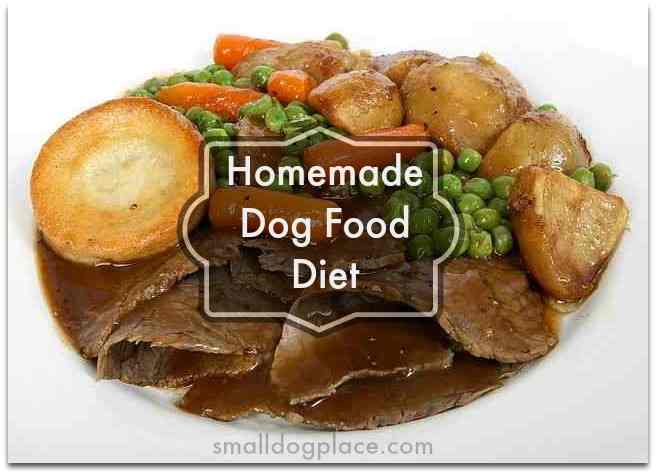
Homemade diets give owners full control over ingredients and preparation. This can be appealing for dogs with sensitivities or for owners who prefer to cook for their pets.
However, homemade diets must be carefully planned to ensure they meet all nutritional requirements. Simply preparing “healthy” foods does not guarantee a balanced diet. Many homemade feeding plans fall short without proper guidance and supplementation.
How to Choose
Each feeding option has advantages and limitations. The goal is not to follow trends, but to choose a diet that supports your small dog’s long-term health and works consistently for your household.
For detailed guidance on each approach, see:
- Choosing Dog Food for Small Dogs
- Pros and Cons of Raw Dog Food Diets
- Homemade Dog Food Diets: Nutrition and Safety
Feeding Puppies, Adult Dogs, and Senior Dogs
A dog’s nutritional needs change throughout life, and small dogs often feel those changes more quickly than larger breeds. Feeding appropriately at each life stage supports healthy growth, weight management, and long-term well-being.
Feeding Small Dog Puppies
Puppies need nutrient-dense food to support rapid growth, bone development, and a developing immune system. Because small puppies have limited stomach capacity, they typically require multiple small meals each day.
Consistency is especially important during this stage. Feeding schedules, portion control, and gradual food transitions help prevent digestive upset and support healthy development. Overfeeding during puppyhood can contribute to weight problems later in life. Here are a couple of articles you may be interested in reading.
Feeding Adult Small Dogs
Once a dog reaches adulthood, the focus shifts to maintaining a healthy weight and steady energy level. Adult diets should provide balanced nutrition without excessive calories.
Activity level plays a major role during this stage. A very active small dog may need more calories than a more sedentary one. Regular monitoring of body condition and small adjustments to portion size help keep adult dogs healthy over time.
Feeding Senior Small Dogs
As small dogs age, metabolism often slows and calorie needs decrease. At the same time, older dogs may benefit from highly digestible ingredients and a carefully balanced nutrient profile that supports joints, organs, and overall comfort.
Changes in appetite, weight, or digestion are common in senior dogs and should be addressed promptly. Feeding strategies may need to evolve gradually as a dog’s needs change with age.
Feeding Senior Small Dogs: Choosing the Best Foods
How to Evaluate Dog Food Quality
Evaluating dog food quality goes beyond choosing a familiar brand or relying on eye-catching packaging. For small dogs, where portion sizes are small and nutritional margins are tight, food quality has an outsized impact on health.
Start with the ingredient list, but read it carefully. Ingredients are listed by weight before cooking, which can make some foods appear higher in protein or meat content than they actually are. Look for clearly identified protein sources and avoid vague terms that make it difficult to determine what is truly in the food.
Nutritional adequacy matters just as much as ingredients. Dog food should be formulated to meet established nutritional standards and be appropriate for your dog’s life stage. A food that works well for an adult dog may not be suitable for a growing puppy or an aging senior.
Marketing claims deserve a healthy dose of skepticism. Words like “natural,” “premium,” or “holistic” are often used loosely and do not guarantee quality. Understanding what these claims mean and what they do not mean helps prevent expensive mistakes.
Finally, the best indicator of food quality is how your dog responds over time. A shiny coat, healthy weight, consistent digestion, good energy levels, and a strong appetite are signs that a diet is working. Poor coat condition, digestive issues, itching, or weight changes may indicate the need for adjustments.
Learning how to read labels, evaluate ingredients, and recognize misleading claims empowers you to make confident feeding decisions.
For deeper guidance, see:
Foods Dogs Can and Cannot Eat
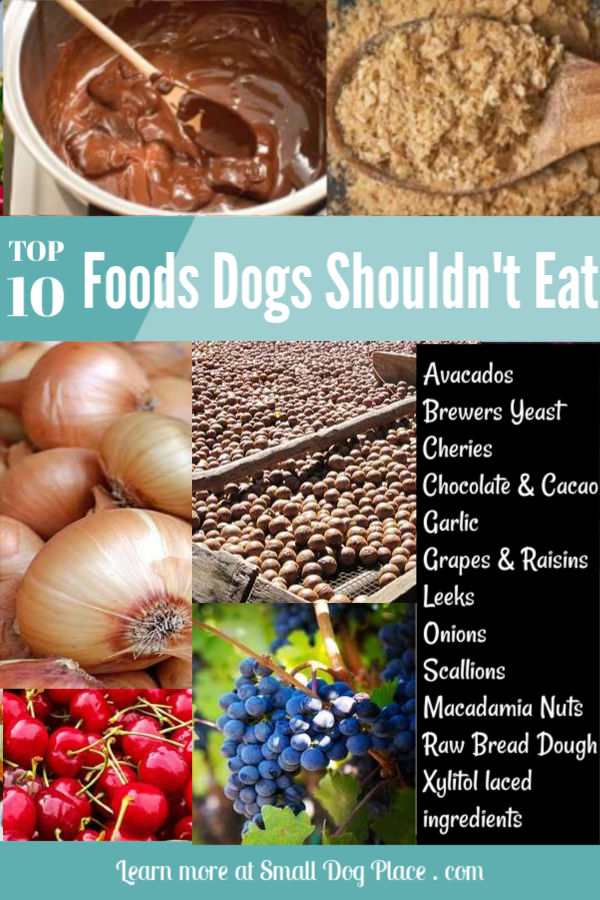
One of the most common feeding mistakes dog owners make is assuming that foods safe for people are also safe for dogs. Small dogs are especially vulnerable because even small amounts of the wrong food can cause serious health problems.
Many whole foods can be safely offered to dogs in moderation, including certain fruits and vegetables that provide vitamins, minerals, and fiber. These foods can be healthy additions to a balanced diet or used as occasional treats, but they should never replace a nutritionally complete meal.
Just as important is knowing which foods should never be fed to dogs. Some common household foods are toxic and can cause symptoms ranging from digestive upset to organ failure or worse. Because of a small dog’s size, the margin for error is very small.
When in doubt, it is always safer to check before sharing food. Accidental feeding incidents often happen with good intentions, not neglect.
To keep your dog safe, use these detailed guides:
- Foods Toxic to Dogs — a complete safety reference for dangerous foods
- What Fruits Can My Dog Eat? — safe fruit options and those to avoid
- Vegetables for Dogs — nutritious choices and proper preparation
- Can Dogs Eat Cat Food?
- Do Dogs Need Superfoods?
- What are the Benefits of Spinach for Your Dog?
- Can Dogs Eat Popcorn?
Understanding food safety helps prevent emergencies and gives you confidence when deciding what belongs in your dog’s bowl.
Common Feeding Problems in Small Dogs
Even with careful planning, feeding challenges can arise. Small dogs are more prone to certain issues because of their size, metabolism, and sensitivities. Recognizing common feeding problems early makes them easier to address and helps prevent long-term health concerns.
Picky or Inconsistent Eating
Some small dogs develop selective eating habits, especially when they are frequently offered table scraps, treats, or when their diet is changed frequently. While occasional fussiness is common, a persistent refusal to eat can indicate stress, gastrointestinal upset, dental problems, or an underlying illness.
Establishing a routine, limiting extras, and avoiding constant food switching can help reinforce healthy eating habits. Check out these guides to help you understand your dog's inconsistent eating habits:
Underweight or Overweight Dogs
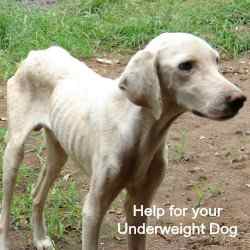
Because small dogs require fewer calories, weight changes can happen quickly. Overfeeding, excessive treats, or inactivity can lead to weight gain, while poor appetite, illness, or inadequate nutrition can result in unhealthy weight loss.
Regularly monitoring body condition and adjusting portions as needed is one of the simplest ways to support long-term health.
Digestive Upset and Food Sensitivities
Vomiting, diarrhea, flatulence, itching, or chronic ear infections may be associated with food sensitivities or allergies. These issues often develop gradually and can be mistaken for unrelated problems.
Identifying the cause may require diet changes, careful ingredient evaluation, and patience. Sudden or severe symptoms should always be evaluated by a veterinarian.
Feeding problems are common, but they are rarely unsolvable. Paying attention to changes in appetite, weight, digestion, and behavior provides valuable clues about what your dog needs.
For step-by-step help, see:
- Your Puppy or Dog Not Eating?
- Your Dog is throwing up undigested food
- Food Allergies in Puppies and Dogs
Dogs that Eat Poop
Still others will find strange things to eat if given the opportunity, some harmless and others potentially deadly.
One example of a bad habit some dogs develop is eating feces, or, in the technical term, coprophagia.
Where to Go Next
Feeding a small dog well is an ongoing process, not a one-time decision. As your dog grows, ages, or develops new needs, the information you rely on may change. The guides below expand on the most common feeding questions and help you make confident, informed choices at every stage.
If you’re just getting started, these pages are the best next steps:
- Dog Nutrition Basics for Small Breed Dogs – a deeper look at nutrients, balance, and life-stage needs
- Choosing Dog Food for Small Dogs – how to evaluate ingredients, labels, and quality
- Feeding Your Puppy the Right Way – what, when, and how much to feed during early growth
- Pros and Cons of Raw Dog Food Diets – what to consider before switching to raw feeding
- Homemade Dog Food Diets – nutrition and safety considerations for home-prepared meals
- Foods Toxic to Dogs – a must-read safety reference for every dog owner
You don’t need to read everything at once. Bookmark this page and return whenever you have a question or notice a change in your dog’s health, appetite, or behavior. Thoughtful feeding choices made consistently over time are one of the most powerful ways to support your small dog’s long-term health.
Pin for Future Reference

More About Janice (author and voice behind this site)
Janice Jones is a small dog specialist with a background in grooming, training, and animal behavior, combining hands-on breeding experience with degrees in psychology and counseling psychology. She has spent 50 years owning and caring for small dogs and 15 years breeding, with early work in veterinary hospitals and shelters, assisting with surgery, lab work, and client care. She shares practical advice at SmallDogPlace.com and across social platforms. A lifelong Shih Tzu enthusiast, she now works alongside her dogs, who rarely leave her side. Visit my " About Me " page for more details.
She is the creator of SmallDogPlace.com, MiracleShihTzu.com, and Smart-Knit-Crocheting.com. A lifelong Shih Tzu enthusiast, she now works alongside her dogs, who rarely leave her side.
Free Monthly Newsletter
Sign Up for Our Free Newsletter and get our Free Gift to You.
my E-book, The Top 10 Mistakes People Make When Choosing a Dog (and how to avoid them)