- Small Dog Place Home
- Diseases
- Reverse Sneezing in Dogs
Reverse Sneezing in Dogs: Causes, How to Help, When to Call the Vet
By Janice Jones |Last Updated January 21, 2026
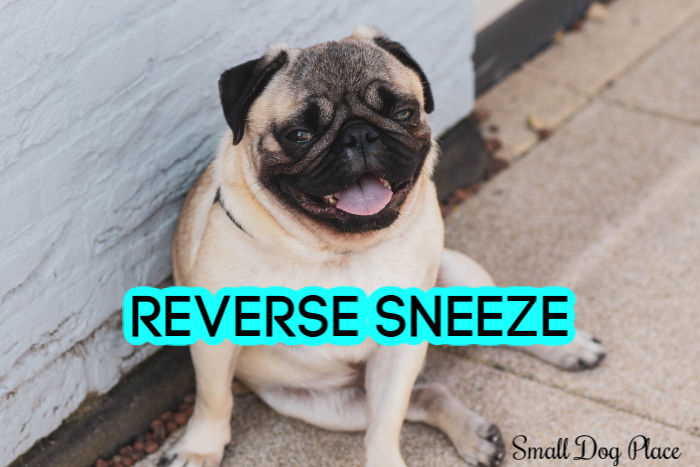
A reverse sneeze is a common occurrence in some dogs, especially brachycephalic breeds and small dogs, and can sound menacing, even giving the impression that the dog is choking or worse.
Causes of Reverse Sneezing
Reverse sneezing can sound alarming, especially the first time you hear it. In many dogs, it’s harmless and brief, but frequent episodes should be discussed with your veterinarian.
The medical term for Reverse Sneezing is pharyngeal gag reflex or paroxysmal respiration. The dog sounds like he is trying to inhale his sneeze! In reality, it is caused by a spasm of the throat and soft palate triggered by an irritant.
This honking cough sound occurs when the dog inhales and exhales air quickly. Often, it results from a minor post-nasal drip or another minor irritant at the back of the throat.
People cough to “clear their throat,” but dogs honk. This can be a frequent occurrence, especially in dogs with allergies. Dogs can be allergic to dust, pollens, cigarette smoke, household cleaners, and even human perfumes.
Causes
- Environmental irritants
- Allergies
- Rapid temperature changes (going from outdoors to indoors)
- Strenuous exercise
- Eating or drinking too quickly
- Excitement
- Tight collar/leash pressure
- Nasal mites
You might even notice your dog doing this frequently when the temperature drops or rises suddenly. For example, this can happen when your dog first comes indoors on a cold winter day. The drastic change in temperature triggers the spasm.
Other dogs may eat or drink too quickly, triggering a bout of reverse sneezing.
Another cause of a spasm is when the small dog pulls on a leash attached to the collar. Walking a small dog wearing a harness is much safer. The pressure the collar exerts on the throat can trigger the honking sound.
Small dogs have a tendency to run around wildly at times (zoomies), and the very act of running wildly, though blissful to them, may trigger a reverse sneeze.
How do I know if my dog is having a reverse sneeze?
People who are unfamiliar with the sound might think their dog is having
a seizure, gasping for air, or about to die.
Luckily, this is a harmless event and especially common in brachycephalic
dogs such as the Pug, Shih Tzu, Boston terrier, and Lhasa Apso. It is more
common in small-breed dogs, possibly because they have smaller throats, but it can happen in any size
dog.
Reverse sneezing is not really a health problem, and the episode may last less than 2 minutes. You should not confuse this with a more serious condition called Tracheal collapse, which does require medical attention.
Reverse sneezing episodes are brief, and dogs recover quickly, whereas tracheal collapse typically causes a chronic cough that worsens with excitement or exercise.
The reverse sneezing is not the same as an actual sneeze, but it is not dangerous. Dogs do not pass out during reverse sneezing or collapse; however, it can last from a few seconds to a minute or more. This can make the entire episode scary for a concerned dog owner.
Honking, hacking, or snorting sounds are the most characteristic noises of a reverse sneeze. The dog may extend his/her neck while standing with its elbows extended. One way to know for sure whether it is a reverse sneeze or something else is to perform the simple maneuver described below.
The sounds that a dog makes during a reverse sneeze are unforgettable, and once you’ve heard it, you’ll be able to recognize it in any dog.

What to Do During a Reverse Sneezing Episode
Reverse sneezing often stops on its own within seconds to a minute. Stay calm and help your dog settle. Avoid forcing the mouth open or placing fingers near the mouth, especially if your dog is frightened.
- Keep your dog calm. Speak softly and reduce excitement (pause play, stop the walk for a moment).
- Encourage swallowing. Some dogs stop after a gentle throat rub or offering a small sip of water (if your dog is calm and able to swallow normally).
- Move away from irritants. Step outside for fresh air or away from smoke, perfumes, cleaners, dust, or pollen.
- Let it pass. If your dog is otherwise normal and the episode is brief, it usually resolves on its own.
What if I do nothing? In many dogs, the episode stops on its own. If episodes become frequent or your dog seems unwell, schedule a vet visit to rule out other causes.
When Should You Call the Vet?
- Episodes happen frequently (daily/weekly) or are increasing over time
- An episode lasts longer than 1–2 minutes, or your dog can’t settle afterward
- There is coughing that persists, gagging, repeated vomiting, or nasal discharge
- Your dog seems weak, collapses, turns blue/pale, or has trouble breathing between episodes
- You suspect choking, a foreign object, or exposure to an irritant
Sometimes reverse sneezing is triggered by allergies or irritation, but similar sounds can occur with other respiratory conditions. A vet exam helps rule out problems such as infections, nasal issues, or airway disease.
Is there anyway to prevent reverse sneezing from occurring?
Since the major culprit of reverse sneezing is some type of environmental irritant, the best way to prevent the problem is to remove as many irritants from the air as possible. But, that is easier said than done.
Here are a couple of suggestions that might help.
- Don't smoke around your dog
- Avoid products such strong perfumes and cleaning chemicals that leave strong odors around the home.
- Use air conditioning, replace air filters and leave windows closed especially on windy days.
- Vacuum frequently and use a hepa filter to trap particles in the air.
- Teach your dog not to pull on the leash when you are out-and-about.
References and Further Reading
You might like these
Dog Ear Infections: Causes, Symptoms, Diagnosis, and Care
Learn the common causes and signs of dog ear infections, how they are diagnosed, and safe care approaches. Trusted guidance for dog owners.
10 Warning Signs Your Dog May Need Veterinary Care
Learn 10 warning signs that may mean your dog needs veterinary care, from vomiting and lethargy to eye problems, weight loss, and unusual stool changes.
Prednisone for Dogs: Uses, Safety, & Side Effects Explained
Prednisone for dogs? Is it safe? Are there side effects? This article will provide all the info you need to know if your vet wants you to use this med.
Dog Eyelid Conditions in Small Dogs: Symptoms, Causes & Treatment
Learn about common dog eyelid conditions in small breeds, including ectropion, entropion, and lagophthalmos, plus symptoms and treatment options.
Cataracts in Small Dogs: Causes, Symptoms & Treatment Options
Learn what causes cataracts in small dogs, how they differ from normal aging, and what diagnosis and treatment options may improve quality of life.

More About Janice (author and voice behind this site)
Janice Jones is a small dog specialist with a background in grooming, training, and animal behavior, combining hands-on breeding experience with degrees in psychology and counseling psychology. She has spent 50 years owning and caring for small dogs and 15 years breeding, with early work in veterinary hospitals and shelters, assisting with surgery, lab work, and client care. She shares practical advice at SmallDogPlace.com and across social platforms. A lifelong Shih Tzu enthusiast, she now works alongside her dogs, who rarely leave her side. Visit my " About Me " page for more details.
She is the creator of SmallDogPlace.com, MiracleShihTzu.com, and Smart-Knit-Crocheting.com. A lifelong Shih Tzu enthusiast, she now works alongside her dogs, who rarely leave her side.

Free Monthly Newsletter
Sign Up for Our Free Newsletter and get our Free Gift to You.
my E-book, The Top 10 Mistakes People Make When Choosing a Dog (and how to avoid them)