- Small Dog Place Home
- Health
- Lyme Disease in Dogs
Lyme Disease in Dogs
by Janice Jones, Last Updated January 20, 2026
Lyme disease in dogs is a tick-borne bacterial infection caused by
Borrelia burgdorferi. While many dogs exposed to the bacteria never develop illness, some may experience joint pain, fever, or other systemic symptoms weeks or even months after exposure.
This page explains how Lyme disease affects dogs, common symptoms to watch for, how veterinarians diagnose and treat the condition, and when to seek professional care. Prevention strategies and tick control are covered separately to help keep this page focused on the disease itself.
Incidence
Named after a town in Connecticut, It was not even recognized in humans until 1975 but since then, scientists have found that it also occurs in horses, cattle, and cats.
Many species of birds and wildlife especially mice, harbor the disease without showing outward signs and serve as the reservoirs for the tick infections. Incidence of the disease increased in the 1980s and is now one of the most common tick-borne diseases in humans and dogs.
Lyme disease is most commonly reported in the northeastern, mid-Atlantic, and upper Midwestern United States. However, cases have been identified in other regions as well. Your veterinarian is the best source of information about local tick risks.
For more information, please check out this CDC Resource or the Lyme Disease in Dogs resource from the American Veterinary Medical Association.
Symptoms of Lyme Disease in Dogs
Most dogs exposed to Lyme disease do not show symptoms. When illness does occur, signs may develop weeks or months after a tick bite.
- Lameness or shifting leg pain due to joint inflammation
- Swollen joints
- Fever
- Lethargy or decreased activity
- Reduced appetite
Less commonly, Lyme disease may be associated with kidney, heart, or neurological complications. These cases require prompt veterinary care.
Risk Factors for Lyme Disease in Dogs
Dogs most at risk are those that:
- Live in areas such as the Northeast including parts of New England, U.S. and northern mid-west states (Minnesota, Wisconsin)
- Dogs who do not receive any protection against ticks
- Dogs that live predominately outdoors
- Dogs that frequent wooded areas or meadows with tall grass where mice and deer live.
How it is Diagnosed

A diagnosis of Lyme disease is made by a veterinarian using a combination of clinical signs, exposure history, and laboratory testing. Test results must be interpreted in context, as many dogs test positive without showing illness.
Not all dog ticks carry the disease, and for the average person, distinguishing the common dog tick from the species that causes the disease is nearly impossible.
When making a diagnosis, the veterinarian usually looks at four factors:
- Exposure to ticks in areas known to be endemic to the disease
- Clinical signs (Symptoms)
- Positive antibody test (Blood Tests)
- Positive response to antibiotic therapy
There are several commercially available blood tests that can be used, some of which your veterinarian may have on hand at the hospital. One such test, called SNAP, assesses the dog’s exposure to Lyme disease while also checking for heartworms.
Unfortunately, the results cannot tell you whether the presence of the Lyme bacterium is causing the problem in your dog. There are other tests that your vet may choose to do.
Your vet may also run additional blood tests to assess your pet's overall health and may even perform a urinalysis if kidney problems are suspected.
Treatment for Lyme Disease in Dogs
When treatment is needed, veterinarians typically prescribe antibiotics to address the bacterial infection and may recommend additional medications to manage discomfort.
Most dogs respond well to treatment when Lyme disease is identified and managed appropriately. Follow-up care and monitoring may be recommended, particularly if symptoms recur or complications are suspected.
Preventing Lyme Disease in Dogs
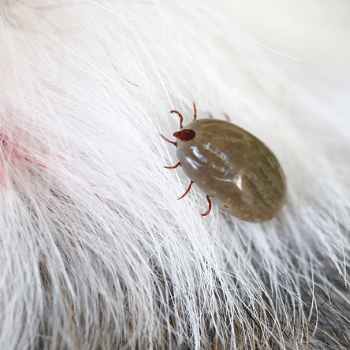
Preventing Lyme disease focuses on reducing tick exposure and supporting early detection. Strategies include routine tick checks, veterinarian-recommended tick prevention, and environmental management.
Learn more in our detailed guides on
dog ticks and
small dog health and prevention.
Vaccinations for Lyme Disease in Dogs
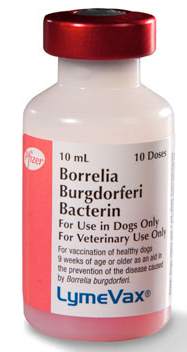
A vaccine is available to help prevent the disease. Usually, the initial and booster vaccines are given, and then the dog is revaccinated annually.
This is considered a non-core vaccine and is not routinely given. The vaccination is only recommended if you live in or travel to areas where the risk of Lyme disease is high.
If you camp or hunt regularly, especially in areas with a high incidence of Lyme disease, be sure to advise your veterinarian.
There is debate about whether the vaccine is worth giving. Most cases of Lyme disease in dogs do not follow the same path as that found in humans. In fact, it is estimated that as many as 90% of dogs infected will never get sick, and those that do can be easily treated.
It has also been suggested that vaccinating a dog with the Lyme organism might be just as harmful as getting the infection from a tick! Of course, there are always two sides to the story…
Those who favor the vaccine make the argument that just because the disease is not life-threatening does not mean we should not prevent it.
Further, if our beloved dog becomes infected with the Lyme bacterium, does that make him a reservoir of the disease that can be passed to humans?
Through diligence, most cases of Lyme disease in dogs can be prevented. If ever in doubt, always consult your veterinarian.
Remember, this is a problem that affects both dogs and humans, so while you are protecting your loved fur baby, don’t forget to take measures to protect yourself.
More About Janice (author and voice behind this site)
Janice Jones is a small dog specialist with a background in grooming, training, and animal behavior, combining hands-on breeding experience with degrees in psychology and counseling psychology. She has spent 50 years owning and caring for small dogs and 15 years breeding, with early work in veterinary hospitals and shelters, assisting with surgery, lab work, and client care. She shares practical advice at SmallDogPlace.com and across social platforms. A lifelong Shih Tzu enthusiast, she now works alongside her dogs, who rarely leave her side. Visit my " About Me " page for more details.
She is the creator of SmallDogPlace.com, MiracleShihTzu.com, and Smart-Knit-Crocheting.com. A lifelong Shih Tzu enthusiast, she now works alongside her dogs, who rarely leave her side.

Free Monthly Newsletter
Sign Up for Our Free Newsletter and get our Free Gift to You.
my E-book, The Top 10 Mistakes People Make When Choosing a Dog (and how to avoid them)