- Small Dog Place Home
- Diseases
- Dog Ear Infections
Dog Ear Infections: Causes, Symptoms, and Care
by Janice Jones, Last updated January 21, 2026
Dog ear infections are common and can affect dogs of all ages and breeds. They often cause discomfort and irritation and, in some cases, may require veterinary care.
This page explains common signs of ear infections, possible causes, how veterinarians diagnose the problem, and general approaches to care. It is intended to help owners recognize when an ear problem may be developing and understand why professional evaluation is important.
 Got Dog Ear Infections?
Common Signs of Dog Ear Infections
- Head shaking or head tilting
- Scratching or rubbing the ears
- Redness or swelling inside the ear
- Unusual odor or discharge
- Pain or sensitivity when the ear is touched
- Behavior changes such as irritability or lethargy
More serious signs, such as balance problems, hearing changes, or swelling of the ear flap, may indicate deeper involvement and require prompt veterinary evaluation.
Causes of Dog Ear Infections
Ear infections usually develop when conditions inside the ear allow bacteria, yeast, or parasites to grow. In many cases, an underlying issue creates an environment that increases the likelihood of infection.
Infections occur for a number of reasons:
- Environmental Allergies
- Water in the ear
- Parasites such as ear mites
- Foreign body (seeds, grass, ticks)
- Excessive hair and wax buildup
- Trauma to the ear
- Hormonal imbalances such as hypothyroidism
- The ear anatomy itself in some breeds
Allergies
Allergies are a common contributing factor in dogs with recurrent ear infections. Food sensitivities, environmental allergens, and contact allergens may all play a role.
Dogs with allergies often develop infections in both ears, and successful management usually requires veterinary guidance to address both the ear infection and the underlying allergic condition.
Parasites
The main parasite inhabiting the dog’s ear is the ear mite, Otodectes cynotis.
If you have cats, you are probably aware that they are more frequent in our feline friends, but dogs can be affected too. Ear mites are highly contagious, so if you have other dogs or cats in the household, everyone will need to be treated.
If a dog becomes hypersensitive to these mites, their scratching, rubbing, and shaking can be so intense that they cause trauma to the ear flap.
Veterinarians may identify characteristic debris during examination.
Water & Other Lifestyle Issues
Dogs that regularly swim can be prone to infections. Chlorine in pools can be an irritation.
Dogs that
swim in lakes, rivers, and oceans come in contact with germs that can
live comfortably in the warm dark environment of the ear canal. Even
excess bath water can get into the dog’s ear creating a warm moist
environment for germs to grow.
Foreign Objects
If your dog loves to run in the woods or roll in the grass, he may pick up something that sticks to the ear causing irritation.
They scratch and rub and shake and before you know you have trauma, redness, and swelling. Plant awns are a big culprit and will stick to your clothes and their ear flaps.
Ticks can also get into the ear and cause problems. A good grooming after a day in the forest is advisable to prevent this type of problem from turning into a full blown infection.
Genetics
These are usually breed-specific. For example, Shetland Sheepdogs can be affected by dermatomyositis, and West Highland White Terriers can have primary seborrhea. Long-eared dog breeds are particularly susceptible to infections. (Poodles, Cocker Spaniels, Shih Tzu)
Ear Anatomy
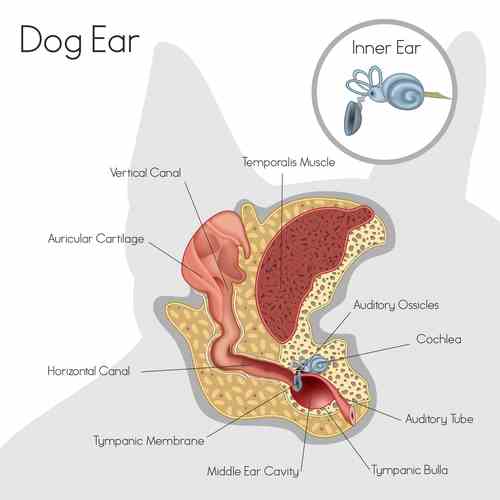
The Dog’s Anatomy can play a role in whether a dog will suffer
from ear infections. The bacteria and yeast that cause ear infections
need a warm, dark, and moist environment to thrive, grow, and
reproduce.
Dogs with thick or floppy ears may be more prone to ear infections because airflow to the ear canal can be reduced.
That is not to say that small erect ears never have problems, but rather these types of ears do not have the ideal environment for the germs to fester.
Spaniels are well known as a breed that often has recurrent and chronic ear infections.
Breeds with hair that continually grows inside the ear canal can also suffer from ear infections if the hair and wax buildup are not removed periodically. Poodles, Shih Tzus, Lhasa Apsos, Malteses, and other long-haired dogs are affected by this issue.
The ear canal is L-shaped in dogs, where it starts in a vertical position and then bends slightly as it nears the eardrum. Humans, on the other hand, have a horizontal ear canal.
The shape of the dog’s ear canal is such that it is difficult to puncture the eardrum, but it does make it easy for infections to become established.
Types of Ear Infections
Veterinarians commonly classify ear infections by affected ear region and the organisms involved.
Bacterial and Yeast Infections
These are the most common types and often occur when normal ear conditions are disrupted. Identifying the organism involved helps guide appropriate treatment.
Hematomas
A hematoma is not a type of infection but a swelling in the dog's outer ear flap caused by blood pooling between the skin and the cartilage. They occur when dogs shake their head or scratch due to painful, itchy ears. This condition is not something you can manage at home. Most vets recommend surgery to relieve the pressure and begin the healing process.
How Dog Ear Infections Are Diagnosed
Ear infections are diagnosed by a veterinarian through physical examination and evaluation of the ear canal. An otoscope is used to assess inflammation, debris, and the condition of the eardrum.
Samples from the ear may be examined to identify bacteria, yeast, or parasites. In recurrent or severe cases, additional testing may be recommended to determine underlying causes, such as allergies or hormonal conditions.
Supportive Care and Ear Cleaning
Veterinary treatment is tailored to the underlying cause and severity of the infection and may involve medications, ear cleaning, or additional care as determined by a veterinarian.
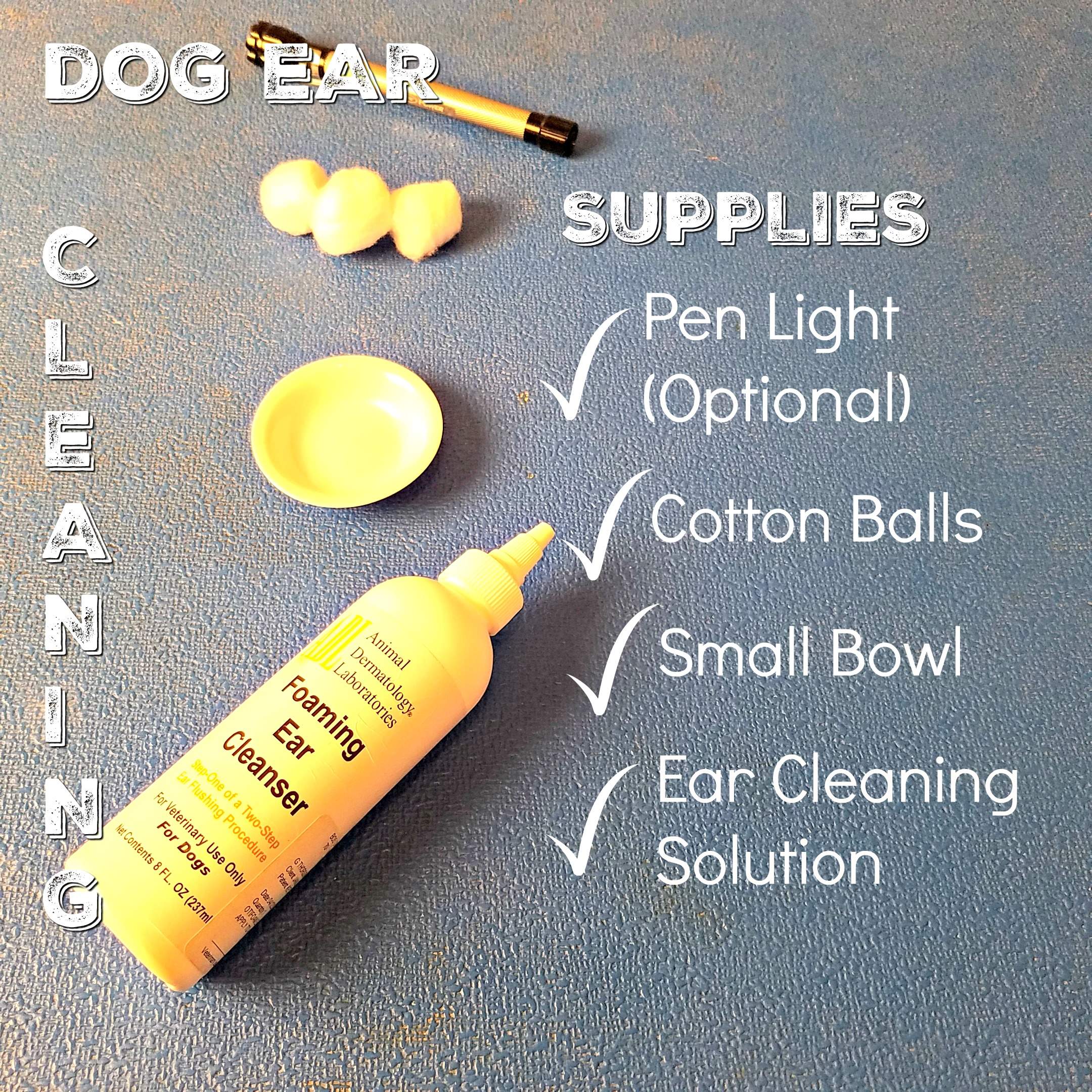
Cleaning Your Dog's Ears
These products are commonly used to maintain ear hygiene or to manage earwax buildup. Always follow product directions and veterinary guidance.
Virbac Epi-Otic Ear Cleaner – This is an excellent solution with a low pH and alcohol-free. The low pH helps prevent bacterial and yeast growth, and the presence of salicylic acids helps loosen hard wax buildup. Salicylic acid is not recommended if your dog has any open wounds in their ears, as the product will sting, causing pain to your dog.
Zymox Ear Cleaner with bio-active enzymes – This is a great choice for a solution that contains only natural ingredients, cleans the ear, and fights bacteria and yeast growth.
Top Performance ProEar medicated dog and cat ear cleaner is effective for dogs and cats with waxy ears. It contains salicylic acid, which breaks down hardened wax, and eucalyptus oil, which has natural antibacterial and anti-inflammatory properties. Salicylic acid is not recommended if your dog has any open wounds in their ears, as the product will sting, causing pain to your dog.
If you prefer something quick and easy, ear wipes work well if the ear is just full of earwax but not infected. Zymox Advanced Enzymatic Ear Wipes is a popular choice.
Read more about Preventing Dog Ear Infections
More About Janice (author and voice behind this site)
Janice Jones is a small dog specialist with a background in grooming, training, and animal behavior, combining hands-on breeding experience with degrees in psychology and counseling psychology. She has spent 50 years owning and caring for small dogs and 15 years breeding, with early work in veterinary hospitals and shelters, assisting with surgery, lab work, and client care. She shares practical advice at SmallDogPlace.com and across social platforms. A lifelong Shih Tzu enthusiast, she now works alongside her dogs, who rarely leave her side. Visit my " About Me " page for more details.
She is the creator of SmallDogPlace.com, MiracleShihTzu.com, and Smart-Knit-Crocheting.com. A lifelong Shih Tzu enthusiast, she now works alongside her dogs, who rarely leave her side.


Free Monthly Newsletter
Sign Up for Our Free Newsletter and get our Free Gift to You.
my E-book, The Top 10 Mistakes People Make When Choosing a Dog (and how to avoid them)