- Small Dog Place Home
- Diseases
- Pancreatitis in Dogs
Pancreatitis in Dogs: Symptoms, Causes, Diagnosis, and Care
By Janice Jones | Last updated January 21, 2026
Former veterinary technician • Small-breed dog breeder & advocate
Pancreatitis in dogs is a condition in which the pancreas becomes inflamed, disrupting normal digestion and metabolism. It can develop suddenly or progress over time and may range from mild to serious.
This page explains what pancreatitis is, common signs dog owners may notice, possible causes, how veterinarians diagnose the condition, and general approaches to care. It is intended to help owners recognize when a dog may need veterinary attention and understand why professional evaluation is important.
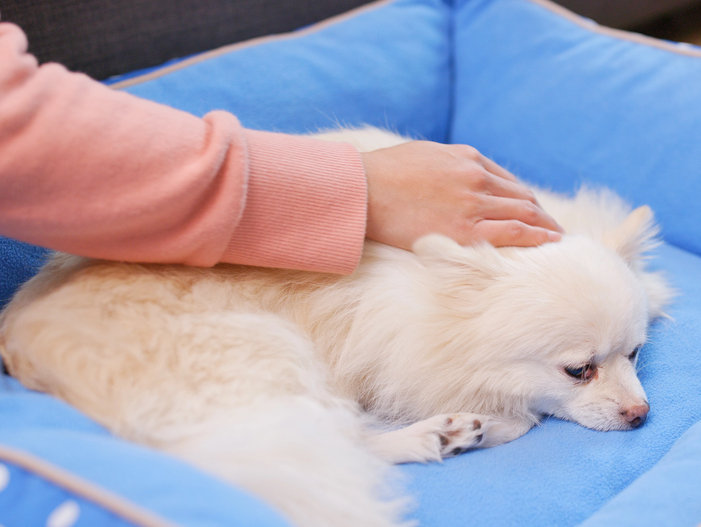
What Is Pancreatitis in Dogs?
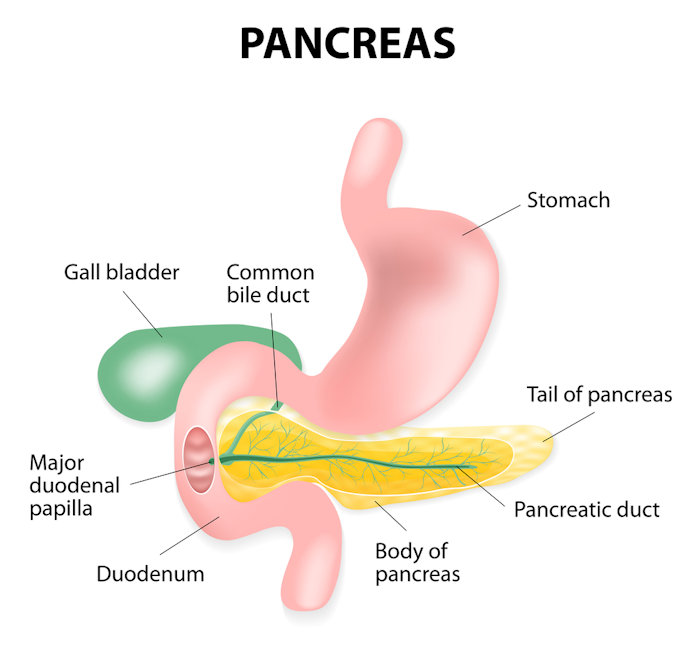
The pancreas is an organ that plays an important role in digestion and blood sugar regulation. It produces digestive enzymes that help break down food and hormones such as insulin that help control glucose levels.
Pancreatitis occurs when digestive enzymes become active within the pancreas rather than in the intestines. This causes irritation and inflammation of the pancreatic tissue and can affect nearby organs.
Acute vs. Chronic Pancreatitis
Acute Pancreatitis
- Sudden onset
- Often more painful
- Symptoms appear quickly
- May resolve with treatment, but can recur
Chronic Pancreatitis
- Develops gradually
- Symptoms may be mild or intermittent
- Can lead to long-term digestive issues
- More common in small breeds
Common Symptoms of Pancreatitis in Dogs
Signs can vary depending on severity and whether the condition is acute or chronic.
Common signs include:
- Vomiting
- Loss of appetite
- Abdominal pain (dogs may hunch or curl)
- Lethargy or weakness
- Diarrhea
- Dehydration
More concerning signs may include:
- Fever
- Persistent vomiting
- Collapse or severe weakness
If symptoms are sudden, severe, or worsening, veterinary care is important.
Causes and Risk Factors
Pancreatitis often results from multiple contributing factors rather than a single cause. Common risk factors: In many cases, no single cause can be identified.
- High-fat meals or sudden dietary changes
- Obesity
- Certain medications
- Hormonal disorders (such as diabetes or hypothyroidism)
- Previous episodes of pancreatitis
- Genetics (some breeds are more prone)
Breeds More Commonly Affected
Small dog breeds appear to be diagnosed more frequently, including:
This does not mean other breeds are immune.
How Pancreatitis Is Diagnosed
Pancreatitis cannot be diagnosed solely on symptoms.
Veterinarians may use:
- Physical examination
- Blood tests (including pancreatic-specific tests)
- Imaging such as ultrasound
- Review of medical history and diet
Diagnosis often involves ruling out other conditions that cause similar symptoms.
General Approaches to Care
Treatment depends on severity and must be guided by a veterinarian.
Care may include:
- Resting the pancreas (temporary fasting under vet guidance)
- Fluid therapy
- Pain management
- Anti-nausea medications
- Dietary adjustments
⚠️ Home treatment is not recommended without veterinary guidance.
Can Pancreatitis Be Prevented?
While not all cases are preventable, risk may be reduced by:
- Avoiding high-fat foods and table scraps
- Maintaining a healthy body weight
- Feeding a consistent, appropriate diet
- Monitoring dogs with previous episodes closely
When to Call the Vet
Contact your veterinarian if your dog:
- Has repeated vomiting
- Shows signs of abdominal pain
- Refuses food for more than 24 hours
- Becomes weak, lethargic, or dehydrated
Frequently Asked Questions About Pancreatitis in Dogs
Is pancreatitis in dogs life-threatening?
Is pancreatitis in dogs life-threatening?
Pancreatitis can range from mild to severe. Some dogs recover quickly with appropriate veterinary care, while others may require more intensive treatment. Because the severity is unpredictable, any dog showing signs of pancreatitis should be evaluated by a veterinarian.
Can pancreatitis go away on its own?
Can pancreatitis go away on its own?
Mild cases may improve with rest and supportive care, but pancreatitis should never be ignored. Symptoms such as vomiting, abdominal pain, or loss of appetite can worsen without treatment. Veterinary evaluation is important to determine the best course of care and rule out other conditions.
What foods can trigger pancreatitis in dogs?
What foods can trigger pancreatitis in dogs?
Foods high in fat are commonly associated with pancreatitis, especially when introduced suddenly. Table scraps, greasy foods, and rich treats may increase risk in some dogs. Dogs with a history of pancreatitis often need carefully managed diets recommended by their veterinarian.
Can pancreatitis come back once a dog has had it?
Can pancreatitis come back once a dog has had it?
Yes. Some dogs experience recurrent or chronic pancreatitis, particularly if underlying risk factors remain. Dogs that have had pancreatitis once may be more susceptible in the future and often benefit from long-term dietary and lifestyle management under veterinary guidance.
Final Thoughts on Pancreatitis in Dogs
Pancreatitis in dogs can vary in severity and may develop for different reasons. While some cases are mild, others require prompt veterinary attention.
Understanding the common signs, risk factors, and why diagnosis matters can help owners respond appropriately if concerns arise.
If a dog shows symptoms such as vomiting, abdominal discomfort, or loss of appetite, a veterinarian should be consulted to determine the cause and best course of care.
More About Janice (author and voice behind this site)
Janice Jones is a small dog specialist with a background in grooming, training, and animal behavior, combining hands-on breeding experience with degrees in psychology and counseling psychology. She has spent 50 years owning and caring for small dogs and 15 years breeding, with early work in veterinary hospitals and shelters, assisting with surgery, lab work, and client care. She shares practical advice at SmallDogPlace.com and across social platforms. A lifelong Shih Tzu enthusiast, she now works alongside her dogs, who rarely leave her side. Visit my " About Me " page for more details.
She is the creator of SmallDogPlace.com, MiracleShihTzu.com, and Smart-Knit-Crocheting.com. A lifelong Shih Tzu enthusiast, she now works alongside her dogs, who rarely leave her side.
Your second block of text...

Free Monthly Newsletter
Sign Up for Our Free Newsletter and get our Free Gift to You.
my E-book, The Top 10 Mistakes People Make When Choosing a Dog (and how to avoid them)