- Small Dog Place Home
- Feeding
- Homemade Dog Food for Small Dogs
Homemade Dog Food for Small Dogs: Benefits, Risks & 7 Recipes
By Janice Jones, Last Updated February 2026
More dog owners than ever are thinking about preparing meals at home for their pets. Some want greater control over ingredients. Others are concerned about recalls, allergies, preservatives, or highly processed commercial foods. For some, cooking for their dog feels like an extension of caring for the family.
However, when it comes to small dogs, the decision requires careful consideration.
Toy and small breeds have faster metabolisms, smaller margins for calorie error, and more delicate nutritional balances than larger dogs. A recipe that looks healthy on the surface may still fall short in essential nutrients if it is not carefully formulated.
Homemade dog food can be done safely. It can also be done poorly.
This page will walk you through:
- The potential benefits of cooking for your dog
- The real risks of unbalanced homemade diets
- What small dogs need nutritionally
- Sample recipes and feeding guidance
- When homemade diets may not be appropriate
My goal is not to persuade you to adopt or avoid homemade feeding. Instead, I want to help you make an informed decision based on sound nutrition principles and practical experience.
If you are considering cooking for your small dog, start here and proceed carefully. You can also jump directly to the recipes.
In short, Homemade dog food can be safe for small dogs when properly balanced, supplemented, and monitored. It becomes risky when recipes are incomplete or portions are inaccurate.
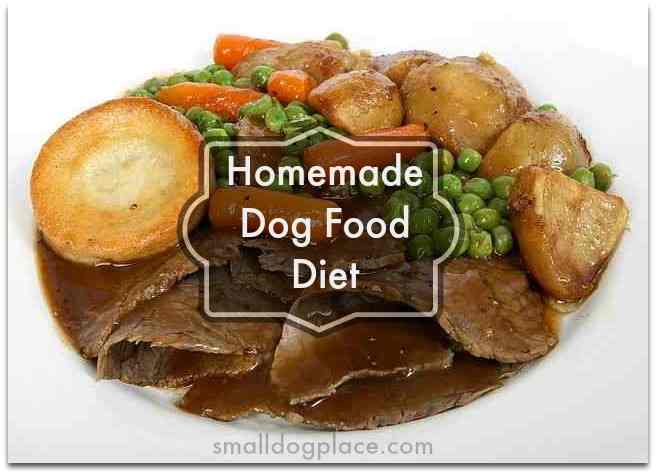
Is Homemade Dog Food a Good Idea?
The honest answer is: it depends.
For some owners, homemade dog food can be a thoughtful and responsible choice. For others, it may create unnecessary risk or complexity. The difference lies in how the diet is planned and maintained.
Why Some Owners Consider Homemade Feeding
Owners typically explore homemade diets for several reasons:
- Concern about commercial food recalls
- Desire to avoid certain additives or ingredients
- Managing food sensitivities or allergies
- Preference for minimally processed foods
- Wanting greater transparency about what their dog is eating
These are understandable motivations. When you prepare food yourself, you know exactly what goes into the bowl.
However, knowing the ingredients is not the same as meeting nutritional requirements.
The Reality: Dogs Need Balance, Not Just Fresh Food
A healthy homemade diet must provide the correct balance of:
- Protein
- Fat
- Carbohydrates
- Vitamins
- Minerals
- Trace elements
- Essential fatty acids
Small dogs, in particular, have little room for error. Because they eat smaller portions, any imbalance in calcium, phosphorus, iodine, zinc, or vitamin D can develop into a deficiency more quickly than in larger breeds.
Many homemade recipes found online are incomplete or poorly balanced. They may look wholesome, but they lack critical nutrients required for long-term health.
When Homemade Feeding May Work Well
Homemade diets can be appropriate when:
- Recipes are formulated or reviewed by a board-certified veterinary nutritionist
- Proper supplements are used
- Portions are measured carefully
- Owners are willing to commit time and consistency
- The dog’s health status is regularly monitored
When done correctly, a homemade diet can support good health. But it requires more planning than simply cooking meat and vegetables.
When It May Not Be the Best Choice
Homemade feeding may not be ideal for:
- Growing puppies
- Pregnant or nursing dogs
- Dogs with kidney, liver, or heart disease
- Very small breeds are prone to hypoglycemia
- Owners are unable to measure ingredients precisely
In these situations, even small mistakes can have significant consequences.
The bottom line: homemade dog food is neither automatically better nor automatically dangerous. It is simply a feeding method that demands careful formulation and long-term commitment.
If you decide to move forward, the next step is to understand how to create a nutritionally complete plan.
Can Homemade Diets Be Nutritionally Complete?
Yes — but only if they are properly formulated.
A nutritionally complete homemade diet must provide all essential nutrients in the correct amounts and ratios over time. That includes not only protein and calories, but also:
- Calcium and phosphorus in the proper balance
- Essential fatty acids
- Iodine
- Zinc
- Iron
- Vitamin D
- B vitamins
- Trace minerals
This is where many homemade diets fall short.
Why Balance Matters More Than Ingredients
It is easy to focus on visible ingredients such as chicken, rice, carrots, or beef. But dogs do not thrive on ingredients alone. They thrive on nutrient balance.
For example:
- Insufficient calcium intake can lead to bone weakness.
- Too much phosphorus can interfere with mineral balance.
- Inadequate iodine can affect thyroid function.
- Insufficient vitamin D can impact bone and immune health.
Small dogs are particularly vulnerable because their daily intake is small. Even minor imbalances can add up over months or years.
Related:
Tufts Cummings Veterinary Nutrition – DCM research overview
FDA diet-associated DCM information
What “Complete and Balanced” Really Means
Commercial dog foods that meet recognized standards follow nutrient guidelines such as those established by AAFCO (Association of American Feed Control Officials). These guidelines define minimum and, in some cases, maximum nutrient levels for different life stages.
Homemade diets do not automatically meet those standards unless they are carefully calculated.
Simply rotating ingredients or adding variety does not guarantee balance.
Related: AAFCO Pet Food Standards
Do Homemade Diets Require Supplements?
In most cases, yes.
Even well-designed homemade recipes often require:
- A calcium source (not just meat alone)
- A multivitamin/mineral supplement
- Essential fatty acid supplementation
- Sometimes iodine or trace mineral support
Without supplementation, deficiencies are common in long-term homemade feeding.
The Role of a Veterinary Nutritionist
The safest way to feed a fully homemade diet long-term is to consult a board-certified veterinary nutritionist (DACVN). These specialists can:
- Formulate a recipe tailored to your dog’s size and life stage
- Adjust for medical conditions
- Ensure nutrient targets are met
- Recommend appropriate supplements
This is especially important for:
- Puppies
- Senior dogs
- Dogs with medical conditions
- Very small or toy breeds
Occasional Homemade Meals vs. Full-Time Diets
There is an important distinction:
- Feeding occasional homemade meals or toppers is very different from replacing commercial food entirely.
- Small additions are unlikely to create deficiencies.
- A full-time homemade diet must be balanced for long-term health.
If you plan to cook exclusively for your small dog, careful planning is essential.
Homemade diets can be complete, but they are not automatically complete. Thoughtful formulation, proper supplementation, and ongoing monitoring make the difference between a nourishing plan and a well-intentioned mistake.
| Nutrient / Component | Why It Matters for Small Dogs | Common Homemade Sources | Common Pitfalls |
|---|---|---|---|
| Protein | Supports muscle, immune function, and tissue repair. | Chicken, turkey, beef, fish, eggs | Too much reliance on one protein; unbalanced amino acids if limited variety. |
| Fat | Provides concentrated energy; supports skin and coat. | Chicken skin/fat, salmon, sardines, oils | Too little fat (low energy, dull coat) or too much (weight gain, GI upset). |
| Carbohydrates / Fiber | Can support digestion and stool quality when appropriate. | Rice, oats, sweet potato, pumpkin, vegetables | Overuse of fillers; too much fiber causing loose stool or reduced nutrient absorption. |
| Calcium | Critical for bones/teeth; essential for heart, nerve, and muscle function. | Vet-approved calcium supplement, ground eggshell (measured), bone meal (only if appropriate) | Most common deficiency in homemade diets; incorrect dosing. |
| Phosphorus | Works with calcium for bone health and energy metabolism. | Meat, fish, organs | Meat-heavy diets can be high in phosphorus without enough calcium (poor Ca:P ratio). |
| Essential Fatty Acids (Omega-3/6) | Supports skin, coat, brain, and inflammation balance. | Fatty fish (salmon/sardines), fish oil (properly dosed) | Missing omega-3s; overdosing oils; rancid oils from poor storage. |
| Vitamins & Trace Minerals | Supports immunity, thyroid function, metabolism, and organ health. | Balanced vitamin/mineral supplement; varied ingredients (as guided) | Common deficiencies (iodine, zinc, vitamin D); “variety” does not guarantee adequacy. |
| Water / Moisture | Hydration supports kidney and urinary health. | Fresh water; moisture-rich foods (broths without onion/garlic) | Assuming wet food eliminates need for water; using unsafe broths/seasonings. |
Benefits of Homemade Dog Food
When thoughtfully planned, homemade dog food can offer several advantages. The keyword is thoughtfully. The benefits depend less on cooking itself and more on how carefully the diet is designed.
Greater Ingredient Control
One of the most appealing aspects of homemade feeding is transparency. You choose:
- The protein source
- The quality of ingredients
- Whether to include or avoid specific grains
- The type of vegetables used
- The cooking method
For dogs with known sensitivities, this control can be helpful. Owners who prefer minimally processed foods often appreciate knowing exactly what is going into their dog’s bowl.
Customization for Individual Needs
Homemade diets can be adjusted to meet specific situations, such as:
- Mild food sensitivities
- Palatability issues in picky eaters
- Adjusted calorie levels for weight management
- Texture modifications for dental concerns
Small dogs, in particular, may benefit from softer textures or smaller, portion-controlled meals when appropriate.
However, customization should always preserve nutritional balance.
Improved Palatability for Some Dogs
Many dogs find freshly prepared food more appealing than dry kibble. The aroma and moisture content can increase interest in eating, which may be useful for:
- Senior dogs with reduced appetite
- Dogs recovering from illness (with veterinary guidance)
- Extremely selective eaters
That said, increased palatability does not automatically mean improved nutrition. Both must be considered.
Reduced Exposure to Certain Additives
Owners concerned about artificial colors, preservatives, or certain ingredient categories may prefer homemade diets for peace of mind.
While commercial foods that meet established standards are generally safe, homemade feeding allows owners to avoid ingredients they personally prefer not to use.
Strengthened Owner Engagement
Preparing meals for a dog requires planning, measuring, and observation. Many owners report that this process increases their awareness of:
- Portion control
- Body condition
- Weight changes
- Digestive patterns
This closer monitoring can help identify problems earlier.
A Balanced Perspective
It is important to remember that homemade food is not automatically superior to a well-formulated commercial diet. When both are properly balanced, either approach can support good health.
The advantage of homemade feeding lies in customization and transparency, not in the assumption that it is inherently healthier.
Understanding potential risks is as important as understanding benefits, especially for small breeds.
| Potential Benefits of Homemade Dog Food | Risks and Concerns to Consider |
|---|---|
| Greater control over ingredients and sourcing | Nutritional imbalance if recipes are not properly formulated |
| Ability to tailor proteins for known sensitivities (with guidance) | Common deficiencies (especially calcium, iodine, zinc, vitamin D) without supplementation |
| Often more appealing to picky eaters due to moisture and aroma | Portion errors can cause weight gain or unintended weight loss—small dogs have less margin for error |
| Customization for texture needs (dental issues, seniors) | Food safety concerns if storage and handling are inconsistent |
| Can reduce exposure to certain additives owners prefer to avoid | Time, cost, and planning burden can make consistency difficult |
| Encourages closer monitoring of appetite, stool, and body condition | Risk of harmful ingredients (onion, garlic, grapes, xylitol) if recipes are not carefully controlled |
Homemade Dog Food Recipes
These sample recipes are not complete long-term diets unless evaluated for balance.
1. Chicken, Rice & Vegetable Recipe for Small Dogs
This gentle, easy-to-digest recipe is often well tolerated by small dogs. It can be useful for picky eaters or as part of a balanced homemade feeding plan when properly supplemented.
Ingredients
1 pound boneless, skinless chicken breast (cooked, chopped)
1 cup cooked white or brown rice
½ cup finely chopped carrots
½ cup finely chopped green beans
1 tablespoon olive oil or fish oil (properly dosed)
Calcium supplement as directed by your veterinarian
⚠️ Do not add salt, garlic, onions, seasoning, or sauces.
Preparation
- Cook chicken thoroughly until no pink remains. Allow to cool.
- Cook rice according to package instructions.
- Steam or lightly cook vegetables until soft.
- Finely chop all ingredients.
- Mix thoroughly, then add the oil and supplement after cooling.
- Divide into individual portions.
Portion Guidance for Small Dogs
Portion sizes depend on weight and activity level. As a general starting point:
- 5 lb dog: ¼ to ⅓ cup per meal (2–3 meals daily)
- 10 lb dog: ⅓ to ½ cup per meal (2 meals daily)
- 15 lb dog: ½ to ¾ cup per meal (2 meals daily)
- 20 lb dog: ¾ to 1 cup per meal (2 meals daily)
Monitor body condition closely and adjust gradually as needed.
Because small dogs have higher metabolisms and smaller margins for calorie error, measuring carefully is important to avoid obesity.
Nutritional Notes
This recipe provides protein, carbohydrates, and fiber. However:
- Meat alone does not provide sufficient calcium.
- A calcium supplement is required for proper balance.
- A veterinary-formulated vitamin/mineral supplement may also be necessary if feeding long-term.
- For exclusive homemade feeding, consult a veterinarian or board-certified veterinary nutritionist to ensure complete nutrient balance.
Storage Guidelines
- Refrigerate within 2 hours of preparation.
- Store in airtight containers for up to 3–4 days.
- Discard uneaten portions after 24 hours once served.
- Always use clean utensils when portioning.
Freezing Instructions
- Divide into individual meal portions before freezing.
- Store in freezer-safe containers or silicone molds.
- Label with preparation date.
- Freeze up to 2–3 months.
- Thaw overnight in the refrigerator.
- Do not thaw at room temperature.
- Use within 24–48 hours after thawing.
When to Use This Recipe
- As part of a balanced homemade feeding plan
- As an occasional fresh meal rotation
- With veterinary guidance for dogs needing simplified diets
This recipe is not intended for growing puppies, pregnant dogs, or dogs with medical conditions unless approved by a veterinarian.
2. Beef, Sweet Potato & Spinach Recipe for Small Dogs
This beef-based recipe provides high-quality protein and moderate carbohydrates. It can be used as part of a carefully balanced homemade feeding plan when properly supplemented.
Beef is often appealing to small dogs, but because it is higher in fat than some poultry options, portion control is especially important.
Ingredients
1 pound lean ground beef (90% lean or higher)
1 cup cooked, mashed sweet potato (plain)
½ cup finely chopped spinach (lightly steamed)
½ cup finely chopped zucchini (optional)
1 tablespoon fish oil (properly dosed for your dog’s size)
Calcium supplement as directed by your veterinarian
Optional veterinary-formulated vitamin/mineral supplement
⚠️ Do not add salt, onions, garlic, seasoning, or sauces.
Preparation
- Brown ground beef thoroughly. Drain excess fat.
- Cook the sweet potato until soft, then mash completely.
- Lightly steam spinach and zucchini until tender.
- Allow all ingredients to cool before mixing.
- Add fish oil and supplements after cooling.
- Mix thoroughly and divide into portions.
Finely chopping or lightly blending ingredients can help smaller dogs digest the meal more easily.
Portion Guidance for Small Dogs
Portion sizes depend on weight, age, and activity level. As a general starting point:
- 5 lb dog: ¼ to ⅓ cup per meal (2–3 meals daily)
- 10 lb dog: ⅓ to ½ cup per meal (2 meals daily)
- 15 lb dog: ½ to ¾ cup per meal (2 meals daily)
- 20 lb dog: ¾ to 1 cup per meal (2 meals daily)
Because beef contains more fat than poultry, monitor weight closely. Reduce portions slightly if weight gain occurs.
Small dogs should be measured carefully using a standard measuring cup or kitchen scale.
Nutritional Notes
This recipe provides:
- High-quality animal protein
- Moderate complex carbohydrates
- Fiber and antioxidants from vegetables
- Essential fatty acids from fish oil
However:
- Meat alone does not provide sufficient calcium.
- A calcium supplement is required to balance the calcium-to-phosphorus ratio.
- Long-term feeding without professional formulation may result in micronutrient deficiencies (iodine, zinc, vitamin D).
For exclusive homemade feeding, consult your veterinarian or a board-certified veterinary nutritionist to ensure nutritional completeness.
Storage Guidelines
- Refrigerate within 2 hours of cooking.
- Store in airtight containers for up to 3–4 days.
- Discard any uneaten portion after 24 hours once served.
- Always use clean utensils when handling.
Freezing Instructions
- Divide into individual meal portions before freezing.
- Store in freezer-safe containers or silicone molds.
- Label with preparation date.
- Freeze up to 2–3 months.
- Thaw overnight in the refrigerator.
- Do not thaw at room temperature.
- Use within 24–48 hours after thawing.
- Avoid refreezing thawed food.
When This Recipe May Be Helpful
- For dogs who do not tolerate poultry
- For picky eaters who prefer beef flavor
- As part of a rotation plan under veterinary guidance
Not recommended for:
- Growing puppies without professional formulation
- Dogs with pancreatitis or fat-sensitive conditions
- Dogs with kidney disease without veterinary approval
3. Salmon, Quinoa & Vegetable Recipe for Small Dogs
This fish-based recipe provides high-quality protein and naturally occurring omega-3 fatty acids, which may support skin, coat, and joint health. It can be used as part of a carefully planned homemade feeding program when properly supplemented.
Fish recipes are often helpful for small dogs with sensitivities to common poultry or beef proteins.
Ingredients
1 pound boneless, skinless salmon (fully cooked, no seasoning)
1 cup cooked quinoa
½ cup finely chopped zucchini
½ cup finely chopped carrots
1 teaspoon fish oil (adjusted for dog’s size, if needed)
Calcium supplement as directed by your veterinarian
Optional veterinary-formulated vitamin/mineral supplement
⚠️ Do not add salt, garlic, onions, seasoning, butter, or sauces.
Preparation
- Bake or steam salmon until fully cooked and flaky. Remove any bones.
- Cook the quinoa according to the package instructions, then let it cool.
- Lightly steam vegetables until soft.
- Finely chop or lightly mash ingredients for easier digestion in small dogs.
- Once fully cooled, mix all ingredients thoroughly.
- Add supplements after cooling.
- Divide into measured portions.
Portion Guidance for Small Dogs
Portion sizes vary depending on age, metabolism, and activity level. As a general starting point:
- 5 lb dog: ¼ to ⅓ cup per meal (2–3 meals daily)
- 10 lb dog: ⅓ to ½ cup per meal (2 meals daily)
- 15 lb dog: ½ to ¾ cup per meal (2 meals daily)
- 20 lb dog: ¾ to 1 cup per meal (2 meals daily)
Monitor body condition and adjust gradually if you notice weight gain or loss.
Because small dogs have faster metabolisms and smaller calorie margins, measuring accurately is especially important.
Nutritional Notes
This recipe provides:
- Lean, high-quality protein
- Naturally occurring omega-3 fatty acids
- Moderate carbohydrates for energy
- Fiber and antioxidants from vegetables
However:
- Fish alone does not provide adequate calcium.
- Proper calcium supplementation is required.
- Long-term feeding without professional formulation may lead to micronutrient deficiencies (iodine, zinc, vitamin D).
- If feeding exclusively homemade meals, consult your veterinarian or a board-certified veterinary nutritionist to ensure nutritional completeness.
Storage Guidelines
- Refrigerate within 2 hours of preparation.
- Store in airtight containers for up to 3–4 days.
- Discard uneaten portions after 24 hours once served.
- Use clean utensils when handling.
Freezing Instructions
- Divide into individual meal portions before freezing.
- Store in freezer-safe containers.
- Label with preparation date.
- Freeze up to 2–3 months.
- Thaw overnight in the refrigerator.
- Do not thaw at room temperature.
- Use within 24–48 hours after thawing.
When This Recipe May Be Helpful
- For dogs with poultry sensitivities
- For dogs needing omega-3 support
- As part of a protein rotation plan under veterinary guidance
Not recommended for:
- Dogs with specific medical conditions without veterinary approval
- Puppies, unless professionally formulated
4. Chicken & Bean Stew for Small Dogs
This hearty chicken and vegetable stew can be served warm or at room temperature, making it suitable for year-round feeding. It provides protein, fiber, and plant-based nutrients when properly prepared and supplemented.
Because small dogs have precise nutritional needs, this recipe should be used as part of a balanced feeding plan.
IMPORTANT: Diets high in legumes should be discussed with your veterinarian, particularly for small breeds.
Ingredients
4 boneless, skinless chicken breasts, sliced
4 cups low-sodium, onion-free chicken broth
1 cup carrots, diced
1 cup kidney beans, drained and rinsed thoroughly
1 cup black beans, drained and rinsed thoroughly
½ cup plain tomato paste (no added salt or seasonings)
Calcium supplement as directed by your veterinarian
Optional veterinary-formulated vitamin/mineral supplement
⚠️ Important: Use broth that contains no onion, garlic, or added salt, as these ingredients are harmful to dogs.
Preparation
- Cook sliced chicken over medium heat until fully cooked, with no pink remaining.
- Rinse beans thoroughly to remove excess sodium.
- Combine cooked chicken, broth, carrots, beans, and tomato paste in a large pot.
- Simmer over medium heat for 10–15 minutes until vegetables are soft.
- Allow mixture to cool completely before serving.
- Stir in supplements after cooling.
- Portion into measured servings.
For small dogs, ingredients may be lightly mashed or finely chopped to improve digestibility.
Portion Guidance for Small Dogs
As a general starting point:
- 5 lb dog: ¼ to ⅓ cup per meal (2–3 meals daily)
- 10 lb dog: ⅓ to ½ cup per meal (2 meals daily)
- 15 lb dog: ½ to ¾ cup per meal (2 meals daily)
- 20 lb dog: ¾ to 1 cup per meal (2 meals daily)
Because this recipe contains beans (which add fiber and carbohydrates), monitor stool consistency. Reduce the portion slightly if loose stools develop.
Small dogs benefit from precise measurement using a measuring cup or kitchen scale.
Nutritional Notes
This recipe provides:
- Lean animal protein
- Dietary fiber
- Plant-based antioxidants
- Moderate carbohydrate energy
However:
- Meat alone does not provide sufficient calcium.
- Beans increase fiber and carbohydrates, but do not replace the required mineral balance.
- Long-term feeding without professional formulation may result in deficiencies (especially calcium, iodine, zinc, and vitamin D).
For exclusive homemade feeding, consult your veterinarian or a board-certified veterinary nutritionist to ensure proper nutrient balance.
Storage Guidelines
- Refrigerate within 2 hours of cooking.
- Store in airtight containers for up to 3–4 days.
- Discard uneaten portions after 24 hours once served.
- Always use clean utensils when portioning.
Freezing Instructions
- Divide into individual meal portions before freezing.
- Store in freezer-safe containers.
- Label with preparation date.
- Freeze for up to 2–3 months.
- Thaw overnight in the refrigerator.
- Do not thaw at room temperature.
- Use within 24–48 hours after thawing.
- Avoid refreezing thawed portions.
When This Recipe May Be Helpful
- For dogs that tolerate legumes well
- For owners seeking a stew-style, moisture-rich meal
- As part of a balanced homemade rotation
Not recommended for:
- Dogs that are prone to digestive sensitivity to beans
- Dogs with certain heart conditions, unless approved by a veterinarian
- Puppies, unless professionally formulated
5. Egg White & Oat Breakfast Bowl for Small Dogs
This oatmeal-style breakfast recipe provides lean protein and easy-to-digest carbohydrates. It can be prepared in bulk and frozen into individual portions for convenience.
Because this recipe is high in protein and relatively low in fat, it may work well for small dogs that require a leaner option, when properly supplemented and portioned.
Ingredients
20 egg whites
2 ¼ cups dry oats
2 cups carrots, sliced (fresh or frozen)
2 tablespoons fish oil or veterinary-recommended oil supplement
Calcium supplement as directed by your veterinarian
Optional veterinary-formulated vitamin/mineral supplement
⚠️ Do not add salt, sugar, butter, or sweeteners.
Preparation
- Boil carrots without salt until soft. Drain and allow to cool.
- Prepare oats according to package instructions using water only. Allow to cool completely.
- Cook egg whites in a non-stick pan until fully set and no liquid remains.
- Finely chop or mash carrots for easier digestion in small dogs.
- Combine cooled oats, egg whites, and carrots in a large mixing bowl.
- Stir thoroughly to ensure even distribution.
- Add supplements after cooling and mix well.
- Divide into approximately 16 small, breakfast-sized portions.
Portion Guidance for Small Dogs
As a general starting point:
- 5 lb dog: ¼ cup per meal (2–3 meals daily)
- 10 lb dog: ⅓ to ½ cup per meal (2 meals daily)
- 15 lb dog: ½ cup per meal (2 meals daily)
- 20 lb dog: ¾ cup per meal (2 meals daily)
This recipe is carbohydrate-forward, so monitor weight carefully and adjust portion size as needed.
Because small dogs have limited calorie margins, precise measurement is important.
Nutritional Notes
- This recipe provides:
- Lean, easily digestible protein from egg whites
- Complex carbohydrates from oats
- Fiber and beta-carotene from carrots
However:
Egg whites alone do not provide adequate fat-soluble vitamins.
Calcium supplementation is required.
Long-term feeding without professional formulation may lead to deficiencies (especially calcium, iodine, zinc, and vitamin D).
If feeding exclusively homemade meals, consult your veterinarian or a board-certified veterinary nutritionist to ensure nutritional completeness.
Storage Guidelines
- Refrigerate within 2 hours of preparation.
- Store in airtight containers for up to 3–4 days.
- Discard uneaten portions after 24 hours once served.
- Always use clean utensils when handling.
Freezing Instructions
- Separate into individual meal-sized portions before freezing.
- Store in freezer-safe containers or silicone molds.
- Label with preparation date.
- Freeze up to 2–3 months.
- Thaw overnight in the refrigerator.
- Do not thaw at room temperature.
- Use within 24–48 hours after thawing.
- Avoid refreezing thawed portions.
6. Slow Cooker Beef & Butternut Squash Stew for Small Dogs
This hearty slow-cooker recipe combines lean beef, vegetables, and brown rice into a moisture-rich meal that can be portioned and frozen for convenience. When properly supplemented, it can be used as part of a balanced homemade feeding plan.
Because this recipe includes legumes and carbohydrates, careful portion control is especially important for small dogs.
Ingredients
2.2 pounds lean ground beef (90% lean or higher)
1 ½ cups uncooked brown rice
1 ½ cups carrots, chopped
1 (15-ounce) can kidney beans, drained and thoroughly rinsed
1 ½ cups butternut squash, peeled and chopped
½ cup peas (frozen or no-salt-added canned)
4 cups water
Calcium supplement as directed by your veterinarian
Optional veterinary-formulated vitamin/mineral supplement
⚠️ Do not add salt, onions, garlic, seasoning, or sauces.
Preparation
- Place ground beef, brown rice, squash, kidney beans, peas, carrots, and water into a slow cooker.
- Stir to combine.
- Cover and cook: On high for 2–3 hours Or on low for 5–6 hours
- Stir occasionally if possible.
- Ensure rice is fully cooked and vegetables are soft.
- Allow mixture to cool completely before portioning.
- Add supplements after cooling and mix thoroughly.
- Divide into measured portions.
For very small dogs, lightly mash or finely chop ingredients to improve digestibility.
Portion Guidance for Small Dogs
As a general starting point:
- 5 lb dog: ¼ to ⅓ cup per meal (2–3 meals daily)
- 10 lb dog: ⅓ to ½ cup per meal (2 meals daily)
- 15 lb dog: ½ to ¾ cup per meal (2 meals daily)
- 20 lb dog: ¾ to 1 cup per meal (2 meals daily)
Because this recipe contains rice and beans, monitor weight and stool consistency. Reduce portions slightly if weight gain or digestive upset occurs.
Small dogs benefit from precise measurement using a standard measuring cup or kitchen scale.
Nutritional Notes
This recipe provides:
- Animal protein from beef
- Complex carbohydrates from brown rice
- Fiber from legumes and vegetables
- Beta-carotene from squash and carrots
However:
- Meat-heavy diets require calcium supplementation to maintain proper calcium-to-phosphorus balance.
- Legumes increase fiber and carbohydrates but do not replace essential minerals.
- Long-term feeding without professional formulation may result in deficiencies (especially calcium, iodine, zinc, and vitamin D).
- If feeding exclusively homemade meals, consult your veterinarian or a board-certified veterinary nutritionist to ensure nutritional completeness.
- Because this recipe includes kidney beans, discuss legume intake with your veterinarian if your dog has heart concerns.
Storage Guidelines
- Refrigerate within 2 hours of cooking.
- Store in airtight containers for up to 3–4 days.
- Discard uneaten portions after 24 hours once served.
- Always use clean utensils when handling.
Freezing Instructions
- Divide into individual meal-sized portions before freezing.
- Store in freezer-safe containers.
- Label with preparation date.
- Freeze up to 2–3 months.
- Thaw overnight in the refrigerator.
- Do not thaw at room temperature.
- Use within 24–48 hours after thawing.
- Avoid refreezing thawed portions.
When This Recipe May Be Helpful
- For owners who prefer slow-cooker batch preparation
- For dogs that tolerate beef well
- As part of a balanced protein rotation plan
Not recommended for:
- Puppies, unless professionally formulated
- Dogs with pancreatitis (due to fat sensitivity)
- Dogs with kidney disease without veterinary guidance
7. Homemade Chicken Liver Training Bites for Small Dogs
These homemade liver bites are rich, flavorful, and often irresistible to small dogs. Because liver is naturally high in nutrients, particularly vitamin A and iron, these treats should be fed in moderation.
They are ideal for training sessions or for encouraging appetite in dogs who need a little extra motivation.
Ingredients
8 ounces chicken livers, rinsed and trimmed
1 cup old-fashioned rolled oats
1 cup all-purpose flour
1 tablespoon vegetable oil (or olive oil)
2 medium eggs
⚠️ Do not add salt, seasoning, garlic, or onion.
Preparation
- Preheat oven to 325°F.
- Lightly grease a 9-inch baking dish or line with parchment paper.
- Pulse oats in a food processor until finely ground.
- In a bowl, combine ground oats and flour.
- In a food processor, blend chicken livers until smooth.
- Add eggs and oil to the liver mixture and blend until combined.
- Pour the liver mixture into the dry ingredients and mix thoroughly.
- Spread evenly into the prepared baking dish.
- Bake for 30–40 minutes, until firm but not dry or crispy.
- Allow to cool completely.
- Cut into small, bite-sized pieces appropriate for your dog’s size.
For very small dogs, cut into pea-sized pieces.
Treat Portion Guidance for Small Dogs
Liver treats should make up no more than 10% of your dog’s daily caloric intake.
As a general guideline:
- 5 lb dog: 1–2 small bites per day
- 10 lb dog: 2–3 small bites per day
- 15–20 lb dog: 3–4 small bites per day
Because liver is nutrient-dense, overfeeding can contribute to excess vitamin A intake over time.
Use primarily for training or occasional rewards.
Nutritional Notes
Chicken liver provides:
- High-quality protein
- Iron
- B vitamins
- Naturally occurring vitamin A
However:
- Liver should not replace balanced meals.
- Excessive liver intake over time may contribute to a vitamin A imbalance.
- These bites are treats, not complete meals.
Storage Guidelines
- Store in an airtight container in the refrigerator for up to 4–5 days.
- Because they are moisture-rich, do not leave them at room temperature for extended periods.
- Discard if mold or an unusual odor develops.
Freezing Instructions
- Place cut bites in a freezer-safe container or bag.
- Separate layers with parchment paper to prevent sticking.
- Freeze for up to 2–3 months.
- Thaw overnight in the refrigerator.
- Do not refreeze thawed treats.
Frozen treats can also be used directly for training in some dogs.
When These Treats May Be Helpful
- Training sessions
- High-value rewards
- Encouraging appetite in selective eaters
- Occasional enrichment
Not recommended for:
- Dogs with liver disease
- Dogs on restricted-protein diets
- Puppies in large quantities
Frequently Asked Questions About Homemade Dog Food for Small Dogs
Homemade dog food can be safe for small dogs when carefully balanced and supplemented. The greatest risks come from incomplete recipes and inaccurate portions.
Do small dogs need supplements on a homemade diet?
Do small dogs need supplements on a homemade diet?
In most cases, yes. Meat and vegetables alone do not provide adequate calcium or micronutrients. Most homemade diets require a calcium source and often a veterinary-formulated vitamin and mineral supplement to maintain proper balance.
Is homemade dog food safe for small dogs?
Is homemade dog food safe for small dogs?
Homemade dog food can be safe for small dogs if it is properly balanced, supplemented, and portioned correctly. It becomes risky when recipes lack essential nutrients such as calcium, iodine, zinc, or vitamin D. Small dogs have less margin for error because they eat smaller amounts.
How much homemade food should I feed my small dog?
How much homemade food should I feed my small dog?
Portion size depends on weight, age, and activity level. As a general guideline:
5 lb dog: ¼–⅓ cup per meal
10 lb dog: ⅓–½ cup per meal
15 lb dog: ½–¾ cup per meal
20 lb dog: ¾–1 cup per meal
Monitor body condition and adjust gradually.
Is homemade dog food better than commercial dog food?
Is homemade dog food better than commercial dog food?
Not necessarily. A properly formulated commercial diet that meets established nutritional standards can be just as healthy as a carefully balanced homemade diet. The key factor is nutrient balance, not whether the food is cooked at home or purchased.
Can I feed homemade dog food long-term?
Can I feed homemade dog food long-term?
Yes, but only if the diet is nutritionally complete and balanced. Long-term feeding without adequate supplementation or professional formulation can lead to deficiencies.
Are legumes safe in homemade dog food?
Are legumes safe in homemade dog food?
Beans and legumes can be included in moderation, but diets high in legumes should be discussed with your veterinarian, especially for small breeds or dogs with heart concerns.
Can puppies eat homemade dog food?
Can puppies eat homemade dog food?
Puppies have precise growth requirements and should not be fed homemade diets unless the recipe has been professionally formulated for growth. Nutritional imbalances during development can have long-term consequences.
Is homemade dog food cheaper than commercial food?
Is homemade dog food cheaper than commercial food?
It can be, depending on ingredient choices and portion sizes. However, costs may increase when supplements, high-quality ingredients, and time investment are taken into account.
Final thoughts
Homemade dog food can be a thoughtful option when carefully planned. For many small dogs, a properly formulated commercial diet remains the safest and simplest choice. The key is balance, not whether the food is prepared at home or purchased in a bag.
Pin for Future Reference

More About Janice (author and voice behind this site)
Janice Jones is a small dog specialist with a background in grooming, training, and animal behavior, combining hands-on breeding experience with degrees in psychology and counseling psychology. She has spent 50 years owning and caring for small dogs and 15 years breeding, with early work in veterinary hospitals and shelters, assisting with surgery, lab work, and client care. She shares practical advice at SmallDogPlace.com and across social platforms. A lifelong Shih Tzu enthusiast, she now works alongside her dogs, who rarely leave her side. Visit my " About Me " page for more details.
She is the creator of SmallDogPlace.com, MiracleShihTzu.com, and Smart-Knit-Crocheting.com. A lifelong Shih Tzu enthusiast, she now works alongside her dogs, who rarely leave her side.

Free Monthly Newsletter
Sign Up for Our Free Newsletter and get our Free Gift to You.
my E-book, The Top 10 Mistakes People Make When Choosing a Dog (and how to avoid them)