- Small Dog Place Home
- Lifestyle
- Dogs and Children
Dogs and Children: How That Special Bond Benefits Both
Dogs and Children Last Updated February 2026
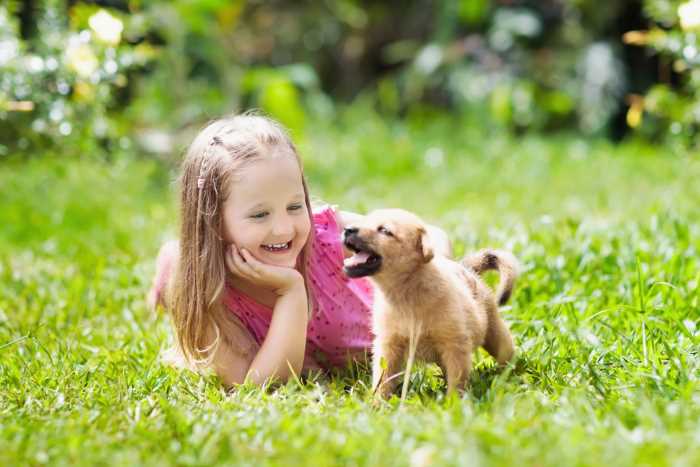
Dogs and children have shared a close relationship for generations. In many homes, a dog is not just a pet but a true member of the family. When children grow up alongside a dog, that relationship often plays an important role in their emotional, social, and physical development.
That said, not every dog–child relationship looks the same. Much depends on the dog’s temperament, the child’s age, and the guidance provided by adults. When the match is right, and interactions are handled thoughtfully, the bond between dogs and children can be deeply rewarding for everyone involved.
 Dogs and Children
Why the Relationship Between Dogs and Children Matters
Elizabeth Anderson, a psychologist and the author of The Powerful Bond Between People and Pets, stated that when children and animals interact, it results in magic with healing properties.
If you are considering adding a pet to your family, or are still unsure whether it is necessary, here are a few reasons why having a companion animal is a smart idea.
Emotional Benefits of Growing Up With a Dog
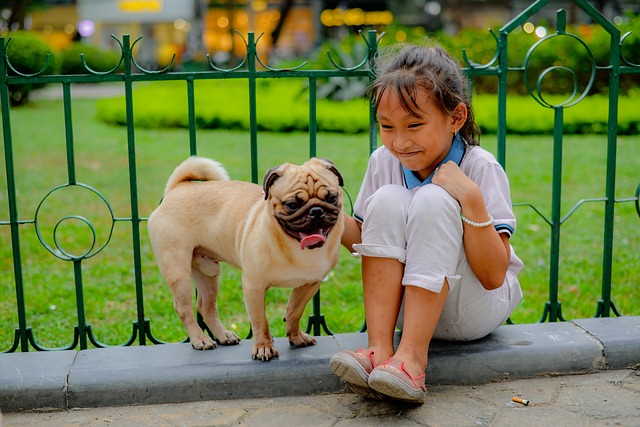
One of the most meaningful ways dogs support children is through emotional support. Dogs offer companionship without expectations. They listen without interrupting. They are present without judgment.
Many children naturally turn to their dogs for comfort during stressful moments. A dog’s steady presence can help children feel calmer and less alone, especially during times of change or uncertainty. This emotional connection often helps children learn how to recognize and manage their own feelings.
Caring for a dog also encourages empathy. Children learn to notice when a dog is tired, hungry, playful, or in need of space. Over time, this awareness helps children become more considerate and emotionally attuned, skills that extend well beyond life with pets.
How Dogs Help Build Confidence and Self-Esteem in Children
Dogs can quietly help children feel capable and confident. Simple tasks such as filling a water bowl, brushing a coat, or helping with daily routines give children a sense of responsibility and pride.
For children who are shy or struggle socially, dogs often make interactions easier. A dog can become a natural conversation starter and a source of shared interest with other children. Even within the home, a child may feel more confident reading aloud or talking when a dog is nearby.
These small experiences add up, helping children build confidence in themselves and their abilities.
Learning Responsibility and Life Skills
Living with a dog naturally introduces children to responsibility. Dogs rely on their families for food, exercise, care, and safety, and children quickly learn that consistency matters.
Through everyday routines, children begin to understand commitment, patience, and follow-through. They also learn that their actions affect others, an important lesson that supports healthy development.
Dogs can also help children understand more difficult life experiences, such as aging and loss. While these moments are emotional, they offer opportunities for families to teach compassion, resilience, and healthy coping strategies.
Physical Health and Activity Benefits for Children With Dogs
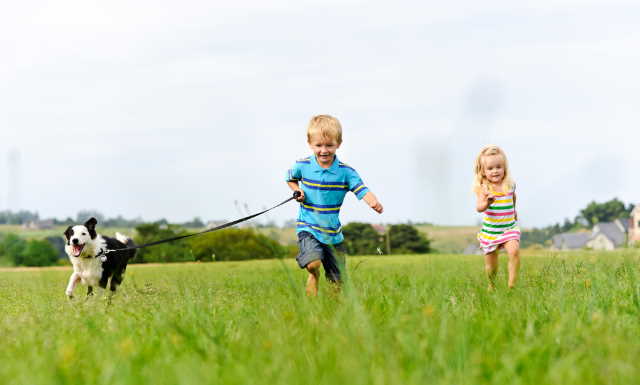
Dogs encourage children to move. Playing, walking, and spending time outdoors with a dog naturally increase physical activity and reduce sedentary behavior.
Regular movement supports coordination, balance, and overall physical health. Many families also find that children sleep better and spend less time on screens when a dog is part of their daily routine.
Some research suggests that early exposure to pets may help support immune system development, though individual experiences vary. It is clear that an active lifestyle with a dog benefits both children and dogs.
Social and Cognitive Development Benefits
Children often talk to their dogs, read to them, or narrate what they are doing. These interactions can support language development and communication skills, especially for younger children.
Training and caring for a dog also encourages focus, patience, and problem-solving. Even basic training teaches children how to give clear cues, stay consistent, and adjust when something does not work as expected.
In some settings, therapy dogs are used to help children feel more comfortable reading, learning, or managing stress. While not every family dog serves this role, many naturally provide similar emotional reassurance at home.
Pets Promote Play and Provide Entertainment
Having an animal who is utterly devoted is highly desirable. But have you considered them to be your entertainers? While you shouldn't welcome pets into your home as entertainers, you can get the entertainment as a natural by-product.
Some adults enjoy playing with their animal companion and find joy in it. But children will be even more entertained when they have a playful animal beside them. Whether it is letting your hamster run loose in its ball or teasing your canine to chase a laser pointer, children will always find great enjoyment from these pets.
Dogs as Emotional Support
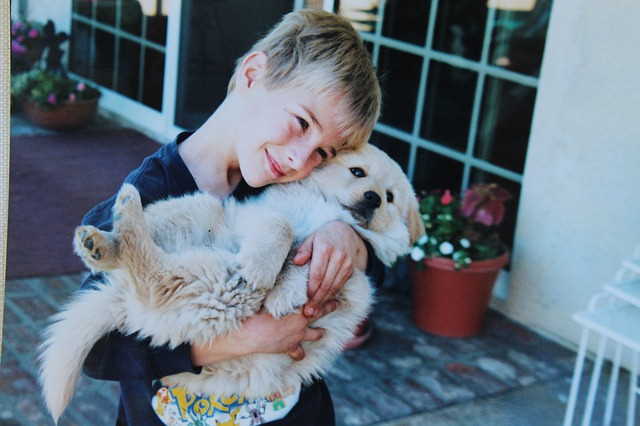
For some children, dogs play a particularly important emotional role. Children experiencing anxiety, attention difficulties, or developmental differences may find comfort in a dog’s predictable presence.
Research done at the National Institute of Health suggests that interactions with animals have multiple positive effectson people
Even without formal training, many dogs appear to be instinctively aware when a child needs comfort. This quiet support can help children feel safer and more grounded in their environment.
Benefits for Dogs in Family Homes
The relationship between dogs and children is most successful when it is respectful and well-managed. Dogs that receive consistent care, gentle handling, and clear boundaries often thrive in family environments.
Children should be taught how to interact appropriately with dogs, including recognizing signs that a dog needs space. Dogs should never be expected to tolerate rough handling or unsupervised interactions.
When adults guide both the dog and the child, the relationship can be positive and enriching for everyone.
Safety Tips for Dogs and Children Living Together
Veterinary and pediatric safety organizations consistently emphasize the importance of supervision and respectful interaction between dogs and children.
Not every dog is suited to life with children, and not every child is ready for the responsibility of a pet. Supervision is essential, especially with young children.
Temperament matters more than size, but small dogs often need extra protection from overly rough play. Teaching children to be gentle and respectful is just as important as choosing the right dog.
A well-matched dog, proper training, and realistic expectations make all the difference in creating a safe and happy home.
Choosing the Right Dog for a Family With Children
Choosing the right dog for a family with children depends more on temperament and lifestyle than on breed or size. A good family dog is typically patient, predictable, and comfortable with everyday household noise and activity.
Families should look for a dog whose needs match their ability to provide consistent care, training, and supervision.
What Makes a Dog Good With Children?
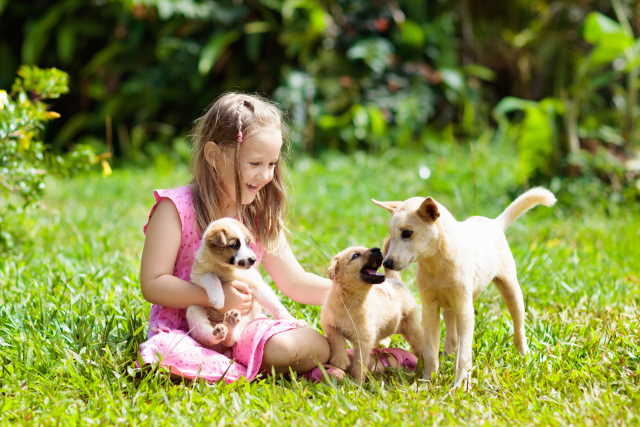
A dog that does well with children often shares these traits:
- Calm, stable temperament
- Tolerance for gentle handling
- Ability to cope with noise and movement
- Low tendency toward fear or resource guarding
- Willingness to be trained and guided
These qualities matter more than whether a dog is large or small.
Does Size Matter When Choosing a Dog for Kids?
Size alone does not determine whether a dog is good with children. Small dogs can be excellent family companions when children are taught to be gentle, while some larger dogs may struggle with fast movements or loud environments.
Temperament and supervision are more important than size.
Matching a Dog’s Energy Level to Your Family
A dog’s energy level should fit your household routine. Very high-energy dogs need regular exercise and mental stimulation, while lower-energy dogs may be better suited to calmer homes.
When a dog’s activity level matches the family’s lifestyle, both children and dogs are less likely to become overstimulated or stressed.
Puppy or Adult Dog: Which Is Better for Families?
Puppies require significant time, training, and supervision. Adult dogs often have established temperaments, making it easier to assess how they will interact with children.
For many families, a well-socialized adult dog can be a practical and rewarding choice.
Teaching Children Is Part of Choosing the Right Dog
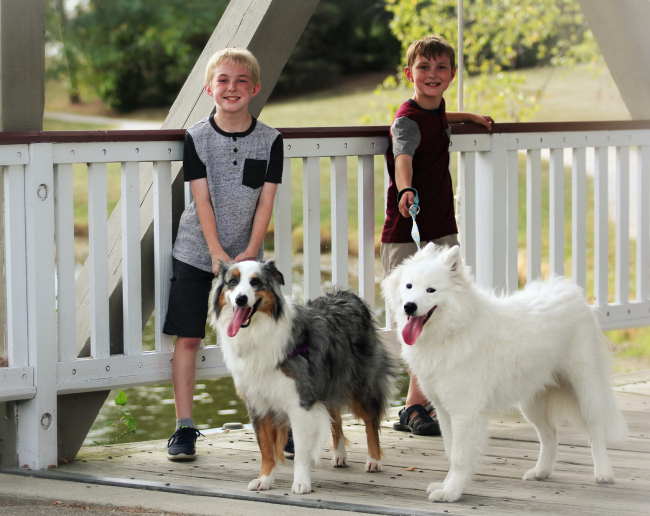
Choosing the right dog also means preparing children for the responsibility of living with a pet. Children should learn how to approach a dog, when to give it space, and how to interact respectfully.
A dog that is well matched to a family can still struggle if children are not guided in appropriate behavior. Successful dog–child relationships are built through supervision, education, and patience on both sides.
Setting Everyone Up for Success
The best family dogs are not perfect dogs. They are dogs whose needs align with the family’s ability to meet them. When expectations are realistic and the match is thoughtful, dogs and children can develop a safe, trusting relationship that benefits both.
A Lifelong Bond That Grows With Your Child
When handled thoughtfully, the bond between dogs and children can be one of the most meaningful parts of family life. Dogs help children learn compassion, patience, responsibility, and unconditional love, lessons that often stay with them long after childhood.
For many families, a dog becomes a steady presence through life’s changes, quietly shaping childhood memories and teaching valuable life skills along the way.
Frequently Asked Questions About Dogs and Children
Are dogs good for children?
Are dogs good for children?
Yes, dogs can be very good for children when properly matched and supervised. Growing up with a dog can help children develop empathy, responsibility, confidence, and emotional awareness.
Dogs also encourage physical activity and can provide comfort during stressful situations. Adult supervision and respectful interaction are essential.
At what age is it best for a child to grow up with a dog?
At what age is it best for a child to grow up with a dog?
There is no single best age for a child to grow up with a dog. Babies, toddlers, and older children can all benefit, as long as interactions are supervised. Younger children need constant guidance, while older children can take on more responsibility. The dog’s temperament and adult involvement matter most.
Are small dogs good with children?
Are small dogs good with children?
Small dogs can be good with children if they have calm temperaments and children are taught to interact gently. Size alone does not determine suitability. Small dogs may be more vulnerable to rough handling, so supervision and respectful behavior are especially important for safe interactions.
How can parents teach children to be safe around dogs?
How can parents teach children to be safe around dogs?
Parents can teach safety by supervising interactions, setting clear rules, and showing children how to respect a dog’s space. Children should avoid disturbing dogs while they are eating or sleeping, and learn to recognize signs that a dog needs a break. Consistent guidance helps prevent accidents.
Can dogs help children with anxiety or emotional challenges?
Can dogs help children with anxiety or emotional challenges?
Dogs can provide emotional comfort and reassurance for children experiencing anxiety or stress. A dog’s predictable presence can help children feel calmer and less alone. While dogs are not a replacement for professional care, they often offer meaningful emotional support within the family.
Do dogs benefit from living with children?
Do dogs benefit from living with children?
Dogs can benefit from living with children when interactions are positive and well-managed. Children often provide companionship, play, and routine. However, dogs need gentle handling, clear boundaries, and adult supervision to feel safe and secure in family environments.
Is it safe to leave a dog alone with a child?
Is it safe to leave a dog alone with a child?
No, young children should never be left alone with a dog, regardless of size or temperament. Even well-trained dogs can react unpredictably if startled or stressed. Supervision protects both the child and the dog and helps prevent injuries.
Dogs and Children: Pin for Future Reference

Author Bio
Sara Anderson is the head of content for the EsaCare, a medical clinic that provides world-class health care services. She has been associated with the health care industry for 10+ years and specializes in health care and medical content.
Did you find this article about Dogs and Children helpful?
More About Janice (author and voice behind this site)
Janice Jones is a small dog specialist with a background in grooming, training, and animal behavior, combining hands-on breeding experience with degrees in psychology and counseling psychology. She has spent 50 years owning and caring for small dogs and 15 years breeding, with early work in veterinary hospitals and shelters, assisting with surgery, lab work, and client care. She shares practical advice at SmallDogPlace.com and across social platforms. A lifelong Shih Tzu enthusiast, she now works alongside her dogs, who rarely leave her side. Visit my " About Me " page for more details.
She is the creator of SmallDogPlace.com, MiracleShihTzu.com, and Smart-Knit-Crocheting.com. A lifelong Shih Tzu enthusiast, she now works alongside her dogs, who rarely leave her side.

Free Monthly Newsletter
Sign Up for Our Free Newsletter and get our Free Gift to You.
my E-book, The Top 10 Mistakes People Make When Choosing a Dog (and how to avoid them)