- Small Dog Place Home
- Energetic Small Dogs
Energetic Small Dogs: Breeds, Traits & How to Know If They Fit Your Life
Are you drawn to small dogs with big personalities, the ones that seem to have endless energy packed into a tiny body?
Energetic small dogs can be incredibly joyful companions. They’re playful, alert, and often deeply bonded to their people. But that same spark can also feel overwhelming if you’re not prepared for it.
Maybe you already have a lively little dog who never seems to slow down.
Or maybe you’re still in the dreaming stage, wondering whether a high-energy small breed would fit your lifestyle.
Before you decide (or panic), it helps to understand what “energetic” really means in day-to-day life.
In this guide, we’ll look at practical ways to channel that energy into healthy, happy behavior, so whether you have a spirited pup now or are imagining one someday, you’ll feel more confident and prepared.
What Does “Energetic” Really Mean in a Small Dog?
When people hear “high-energy,” they sometimes imagine chaos, nonstop barking, constant movement, or a dog that never settles.
But in small dogs, energy usually means something more specific.
An energetic small dog tends to:
- Get excited quickly and express it enthusiastically
- Enjoy frequent play sessions throughout the day
- Need daily physical activity, even in a small living space
- Thrive on mental stimulation like training, games, or new experiences
- Form strong bonds and want to be involved in what you’re doing
Because small dogs are compact, their bursts of energy often come in short, intense spurts, the famous “zoomies,” followed by cuddly downtime. Many energetic small breeds are incredibly affectionate and happiest when they’re close to their people.
Energy isn’t a problem. It’s a personality trait.
The real question isn’t “Is this dog too energetic?”
It’s “Does this level of energy match my daily rhythm?”
If you enjoy walks, interactive play, or teaching fun tricks, a lively small dog can feel like a perfect fit. If you prefer quiet evenings and minimal activity, a lower-energy breed might suit you better.
Understanding what energy actually looks like in everyday life makes it much easier to make confident choices and avoid surprises later.
Is a High-Energy Small Dog Right for You?
- Do you enjoy daily walks or active play?
- Are you home enough to give consistent attention?
- Do you want a playful shadow following you around?
- Are you okay with some barking and bursts of zoomies?
Small Dog Breeds Known for High Energy
Not all small dogs have the same activity level. Some are constant motion machines, while others enjoy shorter bursts of excitement followed by downtime.
Very High Energy (Best for Active Owners)
These breeds typically need daily structured exercise and mental stimulation.
Jack Russell Terrier
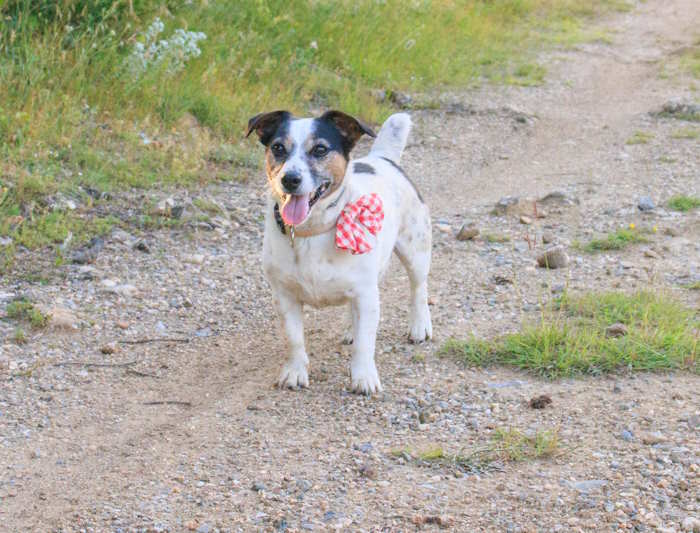
Bold, athletic, and constantly curious, the Jack Russell Terrier is one of the most energetic small dog breeds. Originally developed for hunting, they thrive on daily physical activity and mental challenges.
Walks, games, training sessions, and interactive toys are essential to keeping them balanced and happy. They’re highly intelligent and quick to respond, but they do best with owners who enjoy staying engaged and setting clear routines. In an active household, their enthusiasm feels exciting and rewarding.
At home, their energy can become restless. This breed is best suited for people who appreciate a spirited companion with drive and determination.
Read the Complete Jack Russell Terrier Breed Profile
Rat Terrier
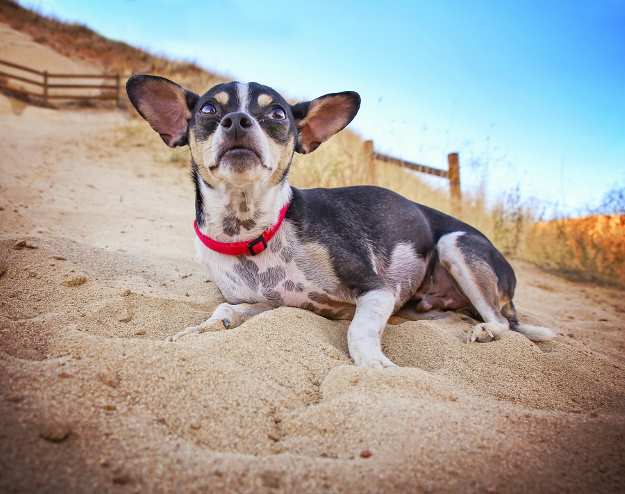
Compact, agile, and alert, the Rat Terrier brings impressive energy into a small frame. Originally bred as a farm dog, this breed enjoys a sense of purpose and staying mentally engaged.
Daily walks, active play, and puzzle-style challenges help channel their lively personality in positive ways. Rat Terriers often bond closely with their families and like being involved in household activities.
They’re intelligent and responsive, but they can become bored if under-stimulated. For owners who enjoy training, structured play, and consistent interaction, this breed can be both entertaining and deeply loyal.
Complete Breed Profile of the Rat Terrier
Fox Terrier (Smooth or Wire)
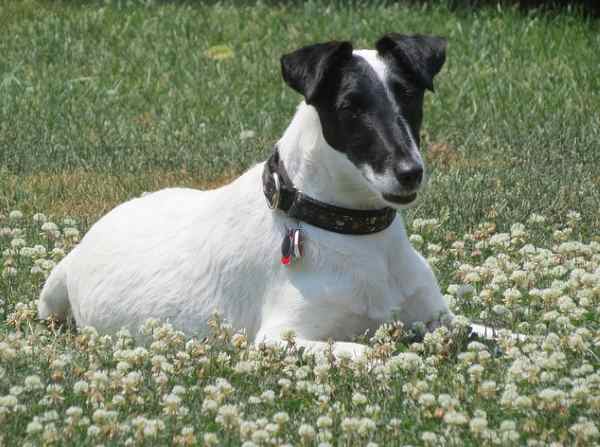
Lively, confident, and always ready to move, the Fox Terrier is a classic high-energy small breed. Whether smooth or wire-coated, they carry strong terrier instincts and a bold personality.
They thrive in environments that provide daily exercise and mental stimulation, such as brisk walks, games, and structured training. Fox Terriers are intelligent and spirited, often approaching life with enthusiasm and determination. While affectionate with their families, they do best with owners who can provide consistent engagement and boundaries.
Active individuals or families who enjoy interactive play will likely find their energy invigorating rather than overwhelming.
Smooth Fox Terrier Breed Profile Wire Fox Terrier Breed Profile
Shetland Sheepdog
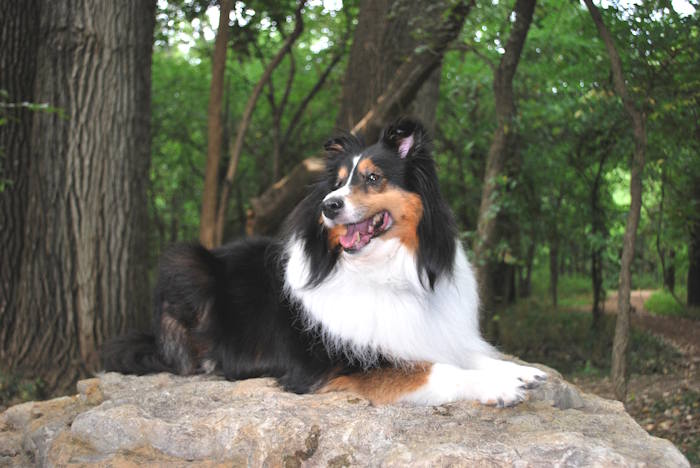
Highly intelligent and naturally alert, the Shetland Sheepdog combines mental sharpness with steady physical energy. Originally bred for herding, Shelties enjoy both movement and structured tasks that challenge their minds.
They excel at learning commands, tricks, and dog sports, and they tend to form deep bonds with their families. Daily walks and interactive activities help them feel fulfilled. While affectionate and devoted, they’re not typically content with minimal engagement.
This breed suits owners who enjoy teaching, routine, and consistent interaction. In the right home, their energy feels purposeful and deeply rewarding.
Shetland Sheepdog Complete Dog Breed Profile
Energetic but Adaptable
Miniature Pinscher
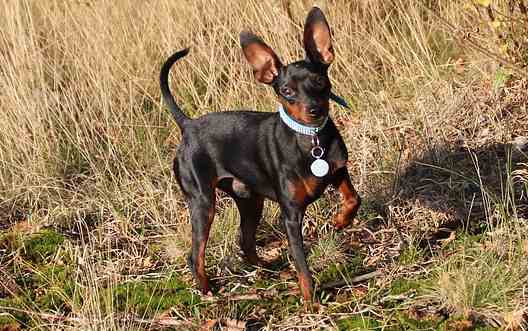
Confident and spirited, the Miniature Pinscher often behaves like a much larger dog in a tiny body. This breed enjoys exploring, investigating, and staying involved in daily activities.
Though small, they require regular exercise and mental engagement to stay content. Their alert nature makes them attentive companions who like to know what’s happening around them.
With consistent structure and interactive play, they adapt well to apartment living. Best suited for owners who appreciate a bold personality and active engagement, the Miniature Pinscher offers lively companionship without requiring much space.
Miniature Pinscher Complete Breed Profile
Papillon
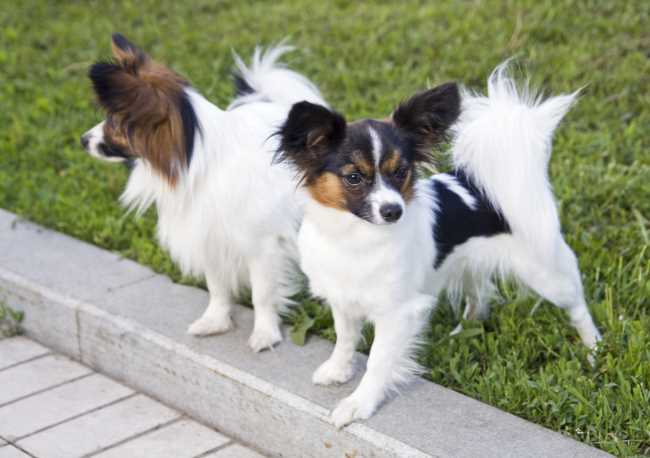
Light, agile, and highly intelligent, the Papillon is known for combining elegance with surprising athletic ability. This breed thrives on interaction and mental stimulation, often excelling at tricks and agility activities.
They enjoy daily walks and playful engagement, but also appreciate time together. Papillons are quick learners who respond well to positive training methods.
Their energy feels bright and responsive rather than chaotic. For owners who enjoy interactive play and mental challenges in a compact companion, the Papillon offers both enthusiasm and affection in equal measure.
Papillon Complete Breed Profile
Toy Poodle
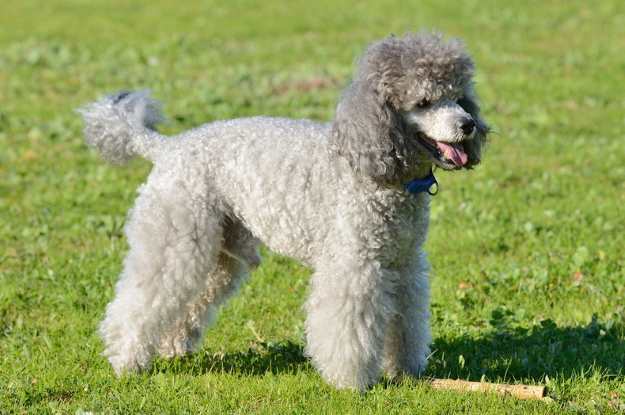
Don’t let the refined appearance fool you — the Toy Poodle is lively, intelligent, and eager to engage. Known for their quick learning ability, they enjoy structured activities, problem-solving games, and regular interaction. Daily mental stimulation is just as important as physical exercise for this breed.
Toy Poodles often bond closely with their families and enjoy being included in daily routines. Their adaptability makes them suitable for many living situations, provided they receive consistent engagement.
For owners who enjoy training and interactive companionship, the Toy Poodle’s energy can feel both manageable and rewarding.
Toy Poodle Complete Breed Profile
Miniature Schnauzer
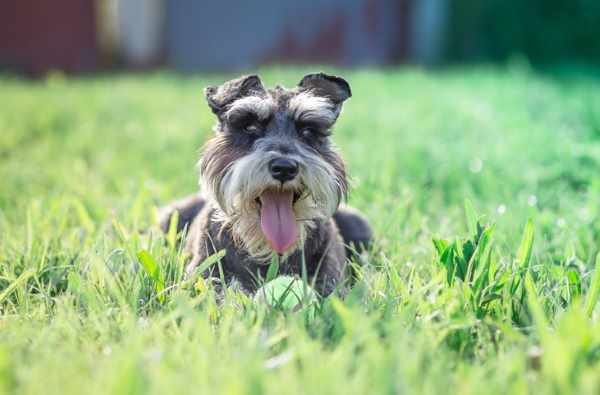
Alert and spirited, the Miniature Schnauzer combines moderate athleticism with a strong desire for interaction. They enjoy daily walks, play sessions, and structured activities that keep them mentally engaged.
Known for their attentive nature, Schnauzers often stay tuned in to their surroundings and their families. While adaptable to apartment living, they do best with regular routines and consistent engagement.
Their energy is balanced by strong companionship instincts, making them lively but manageable for many households. Owners who appreciate structure and moderate activity often find them both entertaining and devoted.
Miniature Schnauzer Breed Profile
Boston Terrier
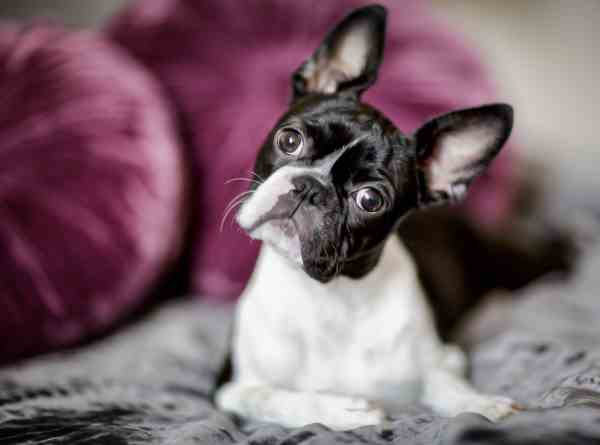
Playful and affectionate, the Boston Terrier brings lively energy in short, engaging bursts. They enjoy interactive play, regular walks, and social interaction, but they’re also known for relaxing comfortably with their people.
Their adaptable nature makes them well-suited to apartment living when provided with daily activity. Boston Terriers tend to bond closely with their families and often seek companionship throughout the day. For households looking for a balanced mix of playfulness and downtime, this breed offers energy without constant intensity.
Yorkshire Terrier
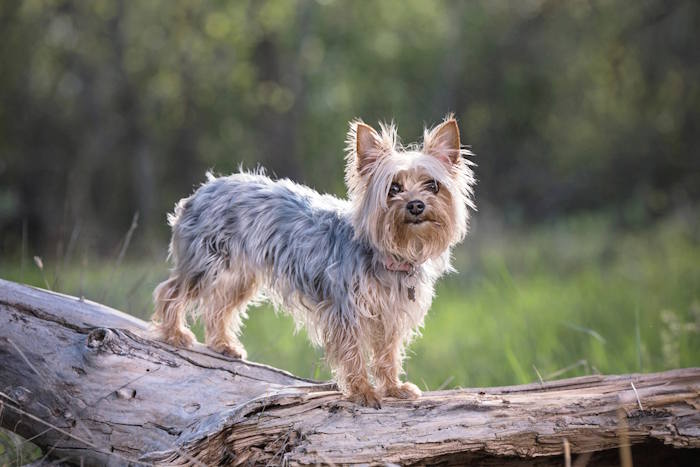
Small but bold, the Yorkshire Terrier carries a lively, confident personality. They enjoy walks, play sessions, and staying close to their owners.
While compact in size, they often display alertness and determination that benefit from regular engagement and gentle structure. Yorkies bond strongly with their families and thrive on attention.
Though adaptable to smaller living spaces, they do best when given consistent interaction and activity. For those who enjoy a spirited, affectionate companion in a tiny frame, the Yorkshire Terrier can provide both energy and devotion.
Yorkshire Terrier Complete Breed Profile
⚡Bursty Energy (Zoomies + Downtime)
These breeds often have playful bursts followed by relaxation.
Italian Greyhound
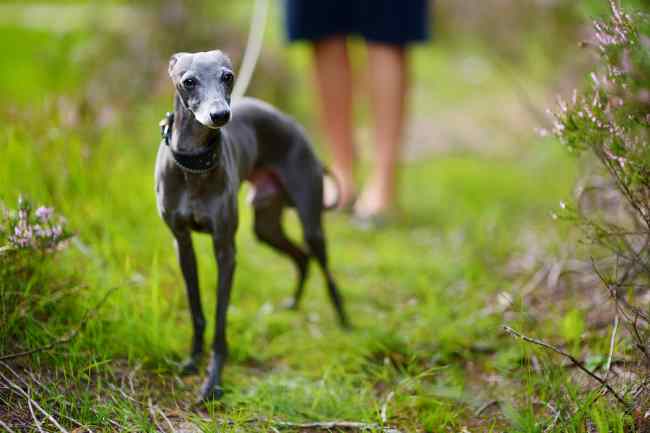
Graceful and quick, the Italian Greyhound combines bursts of athletic speed with long stretches of relaxation. They enjoy short sprints and playful activity but are equally content curling up beside their people afterward.
Daily walks and opportunities to run safely help them stay balanced. Italian Greyhounds tend to form close bonds and appreciate a calm, attentive environment.
Their energy is often described as “bursty” rather than constant. For owners who enjoy occasional active moments paired with quiet companionship, this breed offers a unique and affectionate balance.
Italian Greyhound Complete Dog Breed Profile
Cairn Terrier
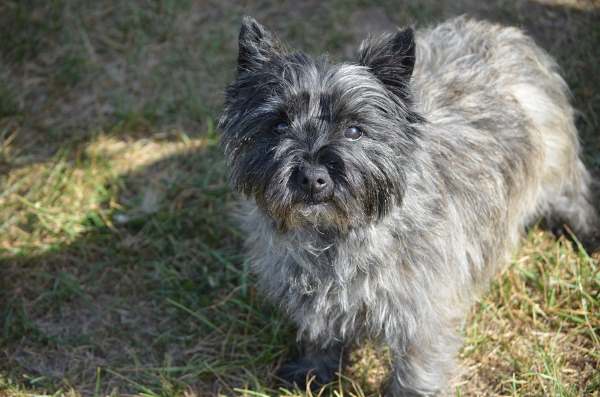
Curious and energetic, the Cairn Terrier brings classic terrier enthusiasm to everyday life. They enjoy exploring, digging, and participating in interactive play.
Regular walks and mental stimulation help channel their inquisitive nature in positive ways. Cairns are sturdy for their size and often approach new experiences with confidence.
While affectionate with their families, they do best in homes that appreciate activity and engagement. For owners who enjoy a playful, personality-filled companion with resilience, the Cairn Terrier offers lively companionship in a small, adaptable package.
Cairn Terrier Complete Dog Breed Profile
Alaskan Klee Kai (Toy/Miniature sizes)
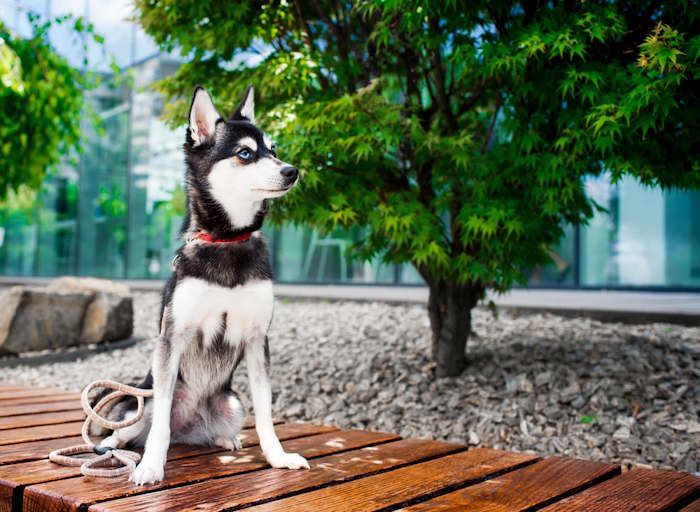
Alert and energetic, the Alaskan Klee Kai packs a strong presence into a small-to-medium frame. Bred to resemble a miniature northern spitz, this breed enjoys regular activity and close involvement with its family.
They are intelligent and attentive, often thriving with structured exercise and mental challenges. While affectionate with their trusted people, they may be reserved with strangers. Daily engagement helps keep their energy balanced and focused.
Best suited for attentive owners who enjoy routine and interaction, the Alaskan Klee Kai offers lively companionship with a watchful edge.
| Breed | Energy Level | Grooming Needs | Apartment Friendly? | Best For |
|---|---|---|---|---|
| Jack Russell Terrier | Very High | Low–Moderate | With lots of exercise | Very active owners, outdoor lovers |
| Rat Terrier | Very High | Low | Yes, if active | Families who enjoy training & play |
| Fox Terrier | Very High | Moderate | Only with strong activity routine | Experienced, engaged owners |
| Shetland Sheepdog | Very High | Moderate–High | Yes, with daily mental stimulation | Owners who enjoy training & structure |
| Miniature Pinscher | High | Low | Yes | Confident owners who enjoy interaction |
| Papillon | High | Moderate | Yes | Interactive households, trick training |
| Toy Poodle | High | High | Yes | Owners who enjoy grooming & training |
| Miniature Schnauzer | High | Moderate | Yes | Structured, moderately active homes |
| Boston Terrier | Moderate–High | Low | Yes | Playful but balanced households |
| Yorkshire Terrier | Moderate–High | High | Yes | Owners wanting bold personality |
| Italian Greyhound | Bursty | Low | Yes | Those who enjoy short active bursts |
| Cairn Terrier | Moderate–High | Moderate | Yes | Curious, engaged owners |
| Alaskan Klee Kai | High | Moderate | With activity | Experienced, attentive owners |
How to Channel All That Energy
Is there anything that you can do when all that energy gets a bit much? Here are a couple of suggestions that may work.
Energetic Small Dogs Benefit from a Calm Walk
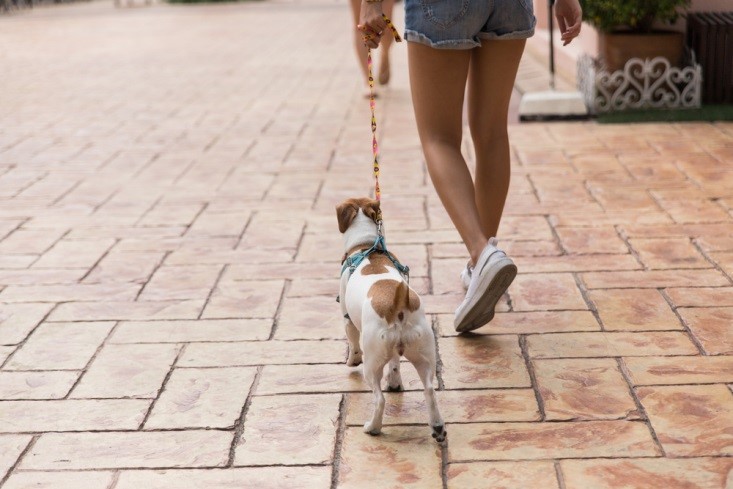 Energetic Small Dogs Often Benefit from a Leisurely Walk.
Firstly, you must have learned that it is beneficial to walk your dog as frequent as possible between about 20 to 40 minutes each day. An ideal way to start the walk is to make sure that your dog is calm and relaxed before you head outside.
When your dog leaves your house excited, he or she may become so hyperactive during the walk. In fact, your dog may pull on his or her leash and become aggressive at passersby.
So, the solution is to let your dog sit and wait for a while before you open the door. Then, continue to allow your dog to sit until you notice that the dog is completely calm. It may take a while for you to make the dog relaxed, but it’s all worth it if you lead your dog to a relaxed state. Then, you could spend a few more minutes on short walks outside your house.
Remember to let your dog stay close to you when you walk together. Do not let your dog be in front of you.
#2: Energetic Small Dogs and Obedience Cues
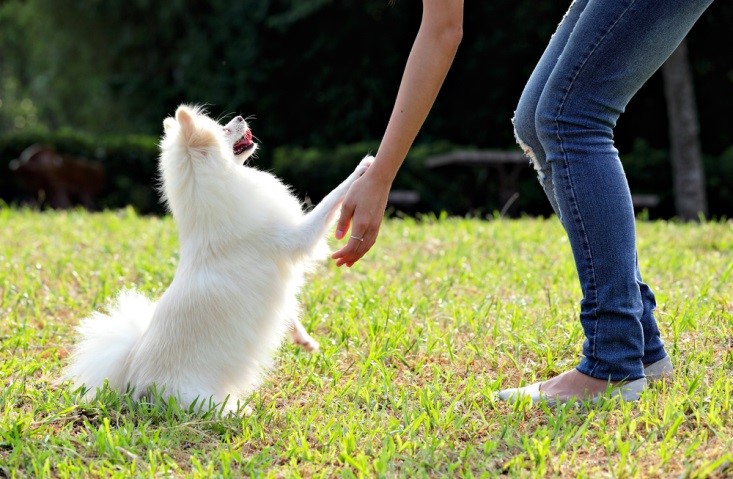
When you follow the traditional way of training your dog, it can be mentally challenging to your energetic dog. If your dog is jumping and running around your house out of control, you should put on his or her leash.
Then, obtain some dog treats. You should teach him commands like sit, wait, stay, roll over, come, and other obedience cues that will stimulate all of your dog’s senses. But, you have to wait for your dog to stay in his or her position before giving him a treat. That way, it will drain his or her energy.
#3: Using a Dog Treadmill with Energetic Small Dogs
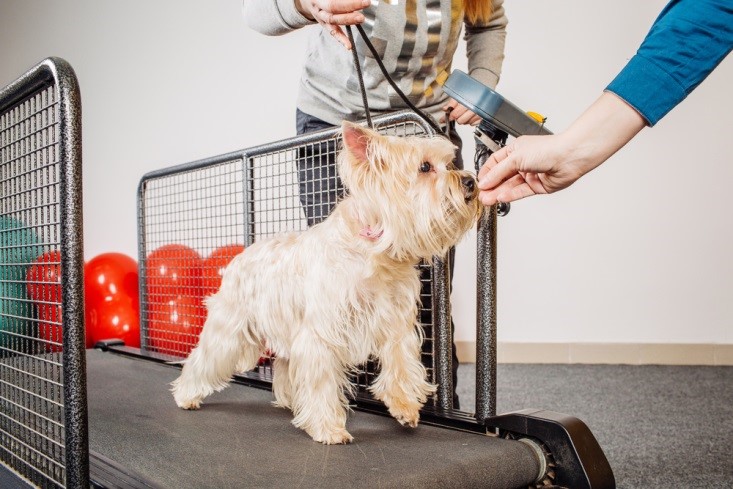
A treadmill can serve as a tool to exhaust your dog’s energy. With your dog on his or her leash, slowly allow him to walk on a treadmill. Try to guide your dog step-by-step a few times to make him or her comfortable. When the dog starts to walk on the treadmill calmly, then try to turn on the treadmill on a slow speed.
Try not to increase the speed of the tool too much because it may overtrain your dog and it can be stressful for him or her. Remember that it is all about the physical and mental challenge of walking on the treadmill. Also, as the owner, you need to display precautions at all times. Before you try walking your dog on a treadmill, you have to consult a dog trainer for proper guidance.
#4: Consider Dog Agility
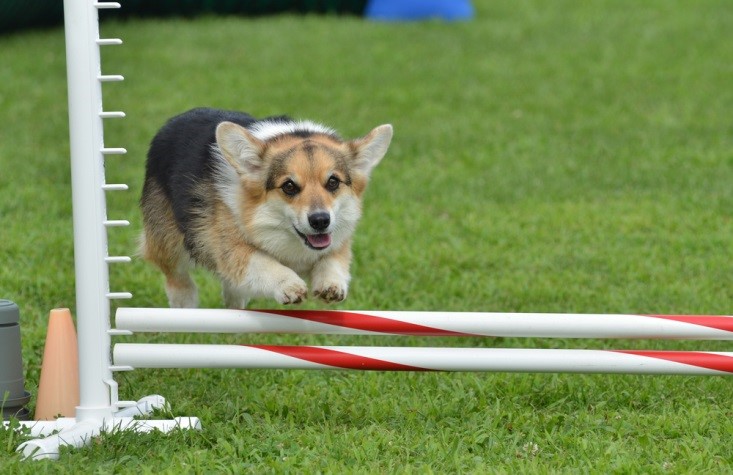


Urban agility is another method to use up all of your dog’s energy. Coordination does not mean a competitive activity or sport. It is an ideal way to enhance your dog’s positive behavior. It may be suitable for a small, timid dog that needs enough confidence or an energetic dog that needs to calm down.
You may start your dog agility program anywhere you like by getting a broom and balancing it on chairs. With the dog on a leash, motivate your dog to jump over the broom. Then, try to reward your dog as your furry companion leaps to the other side.
You may also get the broom in a low position and let your dog crawl below it. Start the process by allowing your dog to lie down, then stand on the other side. Guide your dog towards you using the leash and wait for your dog to follow you.
You can also let your dog jump on small boxes, benches, and other platforms to help exhaust their energy. You can also guide him or her along narrow beams, tires, hoops, or tunnels to challenge them.
What is excellent about dog agility is that you can bond with your fur friend throughout the experience. Also, your dog will learn to obey and trust you. Plus, you will have the chance to challenge your dog to bring up his or her energy level to complete the task. That way, it will leave your dog tired and satisfied with the activity.
Other Calming Techniques to Offer
If the methods above still do not work, then you may try out these techniques:
Animal Communicator
The approach is quite controversial because some people claim that an animal communicator does not have proof that he or she does the job well. Other people hire animal communicators to calm down an anxious and panicking dog.
They can assure you that the dog will be okay. You may not have any assurance on how they do the trick. But, they can help your down become relaxed and focused.
Aromatherapy
You should not forget that your dog may experience anything by the odor. When they smell something that relaxes them, then it helps them calm down. A soothing scent can have a very relaxing effect on your dog.
So, you may consider consulting your veterinarian for an aromatherapy for your dog. Find out which scents are suitable for your small dog and which are the safest smells for him or her. Here are a couple of resources from Amazon that are worth checking out.
The Bottom Line
The trick to calming your hyper dog is the balancing act. It is possible for your dog to master all the obedience commands but still jumping up and down because he or she does not exercise.
On the other hand, your dog may walk every morning but always gets bored because he or she never experience mental stimulation.
To calm and relax your fur friend, you may combine one or two, or even all of the strategies suggested above. Choose which of the works best for you and your dog.
Remember that some dogs may need fewer activities each day. Other dogs also prefer to play with their toys for a few hours. But, as the owner, you know your dog best. So, you should work out the balance between rest and exercise for your dog!
SOURCES:
https://shibashake.com/dog/hyperactive-dogs-how-to-calm-a-hyper-dog-or-hyper-puppy
https://www.rover.com/blog/surprising-ways-to-handle-high-energy-dogs
http://dogsaholic.com/training/how-to-calm-down-a-dog.html
More About Janice (author and voice behind this site)
Janice Jones is a small dog specialist with a background in grooming, training, and animal behavior, combining hands-on breeding experience with degrees in psychology and counseling psychology. She has spent 50 years owning and caring for small dogs and 15 years breeding, with early work in veterinary hospitals and shelters, assisting with surgery, lab work, and client care. She shares practical advice at SmallDogPlace.com and across social platforms. A lifelong Shih Tzu enthusiast, she now works alongside her dogs, who rarely leave her side. Visit my " About Me " page for more details.
She is the creator of SmallDogPlace.com, MiracleShihTzu.com, and Smart-Knit-Crocheting.com. A lifelong Shih Tzu enthusiast, she now works alongside her dogs, who rarely leave her side.

Free Monthly Newsletter
Sign Up for Our Free Newsletter and get our Free Gift to You.
my E-book, The Top 10 Mistakes People Make When Choosing a Dog (and how to avoid them)