- Small Dog Place Home
- Feeding
- Raw Dog Food
Raw Dog Food for Small Dogs: Benefits, Risks, and What to Consider
by Janice Jones, M.A. Published February 2026
Raw dog food diets have gained significant attention in recent years. Some owners prefer feeding fresh, unprocessed ingredients, while others seek solutions for allergies, digestive issues, or concerns about commercial pet foods. As interest has grown, so has the debate.
For small dog owners, the decision to feed raw requires even more careful consideration. Toy and small breeds have unique nutritional needs, smaller margins for portion error, and greater sensitivity to imbalance. What works for a large, highly active dog may not be appropriate for a five-pound companion.
This guide offers a balanced overview of raw feeding for small dogs. You’ll learn what a raw diet typically includes, why some owners choose it, the potential risks, and the special safety considerations for households with children or immunocompromised family members. The goal is not to promote or discourage raw feeding, but to help you make an informed, responsible decision.
Before changing your dog’s diet, it’s important to understand both the potential benefits and the real risks. Feeding choices have long-term health consequences, and thoughtful planning is far more important than following trends.
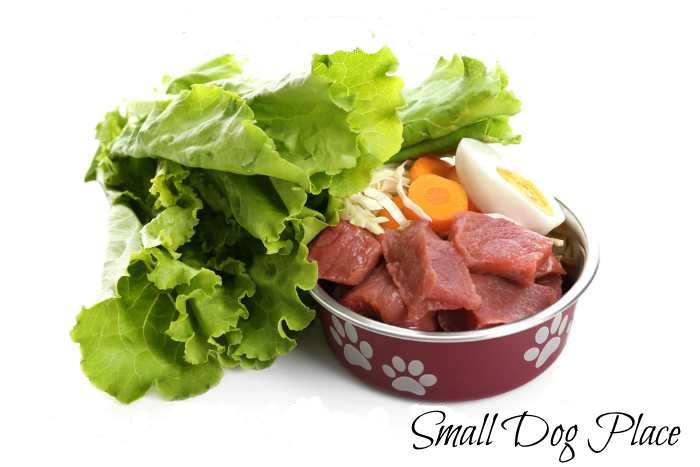
What is a Raw Dog Food Diet?
A raw dog food diet typically consists of uncooked animal products combined with other minimally processed ingredients. The foundation is usually raw muscle meat, organ meat, and edible bones. Some raw diets also include vegetables, fruits, eggs, or dairy products, depending on the formulation.
There are two primary ways owners feed raw diets:
Commercial Raw Diets
Commercial raw diets are prepared by pet food companies and sold in frozen, freeze-dried, or refrigerated forms. These products are often marketed as complete and balanced, meaning they are formulated to meet established nutritional standards for a specific life stage.
Homemade Raw Diets
Homemade raw diets are prepared by the owner using grocery-store or butcher-sourced ingredients. These diets may follow structured formulas or feeding models, but they require careful planning to ensure nutritional balance.
You may also hear the term BARF, which stands for “Biologically Appropriate Raw Food” or “Bones and Raw Food.” This model generally includes raw meat, bones, organs, and a limited amount of plant matter. Although the concept is widely discussed, the exact composition varies across feeding plans.
Raw feeding is often based on the idea that dogs should eat in a way that more closely resembles their ancestral diet. However, modern companion dogs live in very different environments from their wild ancestors, and their nutritional needs must be evaluated in the context of contemporary practice.
Understanding what a raw diet includes is the first step. The more important question is whether it can be implemented safely and nutritionally appropriately for a small dog.
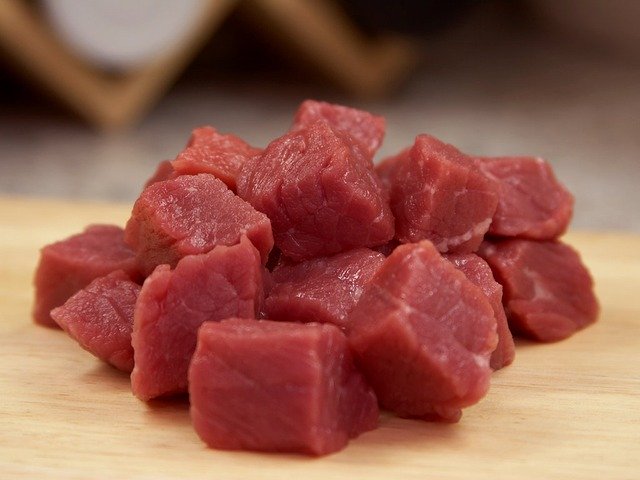
Why Some Owners Choose Raw Feeding
Owners who choose raw feeding often do so for a variety of personal and practical reasons. For some, it is about greater control over ingredients.
Preparing or selecting raw food allows them to know exactly what is going into their dog’s bowl, which can feel reassuring compared to navigating long ingredient lists on commercial packaging.
Another commonly cited reason is perceived improvement in coat quality and skin condition. Some owners report shinier coats, reduced shedding, or fewer skin irritations after switching to a raw diet. While individual experiences vary, these observations are frequently shared within raw feeding communities.
Digestive health is another factor. Raw feeding advocates often note smaller stool volume and firmer stools, which they attribute to higher digestibility and lower carbohydrate content. For some dogs, changes in stool consistency may be noticeable after dietary adjustments, though results are not universal.
There is also a philosophical component. The idea of feeding a diet that resembles what dogs’ ancestors might have eaten appeals to owners who prefer minimally processed foods in their own diets. The “natural” aspect of raw feeding can be a strong motivator, especially for those who are skeptical of highly processed commercial products.
Finally, some owners turn to raw feeding when they feel other options have not resolved ongoing concerns, such as suspected food sensitivities or chronic digestive upset. In these cases, the switch may be driven by a desire to try a different nutritional approach rather than by ideology alone.
While these motivations are understandable, it is important to evaluate them alongside the potential risks and practical challenges involved. Raw feeding is not simply a change in ingredients—it is a change in food safety practices, nutritional planning, and long-term monitoring.
Possible Benefits (Summary)
- Greater control over ingredients
- Perceived Improvement in Skin and Hair
- Digestive Health
- Ancestral Diet
- Food Sensitivities
Risks and Concerns of Raw Feeding

Raw feeding carries potential risks that should be carefully considered before making a switch, especially in households with small dogs. While many owners manage raw diets successfully, the margin for error can be narrow.
Bacterial Contaminations
One of the primary concerns is bacterial contamination. Raw meat can contain pathogens such as Salmonella, E. coli, and Listeria. Dogs may not always show symptoms of illness, but they can shed bacteria in their saliva or stool, potentially exposing other pets and family members.
Households with young children, elderly individuals, pregnant women, or immunocompromised people face higher risks.
Nutritional Imbalance
Another concern is nutritional imbalance. A properly balanced canine diet requires the correct proportions of protein, fat, calcium, phosphorus, trace minerals, and vitamins.
Homemade raw diets that are not carefully formulated may lack essential nutrients or contain them in improper ratios. Over time, imbalances can contribute to bone problems, organ strain, or developmental issues in growing puppies.
Bone Related Injuries
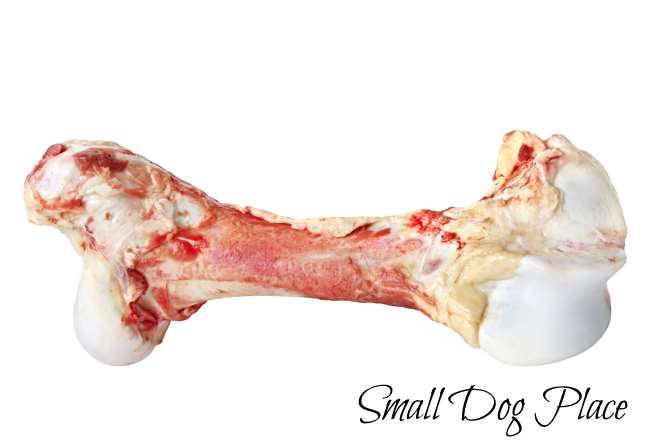
Bone-related injuries are also a consideration, particularly for small and toy breeds. While some raw diets include edible bones for dental and calcium benefits, bones can pose choking hazards, cause dental fractures, or lead to gastrointestinal obstruction if not selected appropriately for the dog’s size.
Food Safety
Food safety in the home is also more complex. Raw meat requires strict handling procedures to prevent cross-contamination. Surfaces, bowls, utensils, and hands must be cleaned thoroughly after each meal. Inconsistent hygiene increases the risk of bacterial spread within the household.
Cost
Finally, raw feeding can be more costly and time-consuming than commercial feeding options. Sourcing quality ingredients, maintaining freezer storage, and preparing balanced meals require planning and ongoing attention.
None of these risks automatically disqualifies raw feeding, but they highlight the importance of careful research, safe handling practices, and ongoing monitoring. A feeding decision should weigh both the perceived benefits and the practical realities involved.
| Potential Benefits (Reported by Owners) | Documented Risks and Concerns |
|---|---|
| Greater ingredient control | Risk of bacterial contamination (e.g., Salmonella, E. coli, Listeria) |
| Perceived improvements in coat/skin for some dogs | Nutritional imbalance if the diet is not properly formulated |
| Smaller stool volume for some dogs | Bone hazards (choking, dental fractures, gastrointestinal obstruction) |
| Appeal of minimally processed ingredients | Cross-contamination risk in the kitchen and home environment |
| May help some owners manage ingredient avoidance (sensitivities) | Higher cost, time, and storage demands; requires consistent hygiene |
Special Considerations for Small Dogs
Small dogs are not simply scaled-down versions of large breeds. Their size, metabolism, and physical structure create unique considerations that matter when evaluating any diet, including raw feeding.
One of the most important differences is portion sensitivity. Because small dogs eat much smaller quantities of food, even minor nutritional imbalances can have a proportionally larger impact over time. A deficiency or excess that might take longer to affect a large dog may show effects more quickly in a toy breed.
Bone selection and safety require particular attention. Smaller jaws and more delicate teeth increase the risk of dental fractures if bones are too hard or improperly sized. Additionally, choking hazards and intestinal obstruction risks can be greater in very small breeds if bones are not carefully chosen and supervised.
Small dogs also tend to have faster metabolisms, meaning they rely on steady, appropriately portioned meals to maintain energy levels. Inadequate calorie intake or poorly balanced nutrient ratios can result in weight loss or lethargy more quickly than in larger breeds.
Household dynamics are another factor. Many small dogs live closely integrated with their families—often on laps, beds, and furniture. If a raw diet increases bacterial shedding, the potential for environmental exposure within the home may be higher simply because of proximity.
Finally, toy breeds and other small dogs are more prone to certain dental and gastrointestinal sensitivities. Sudden dietary changes can cause digestive upset, and any feeding transition should be gradual and closely monitored.
For these reasons, raw feeding decisions for small dogs require careful planning and realistic assessment. What may appear manageable for a large, outdoor-working breed may present different challenges for a companion dog that weighs under ten pounds.
Common Raw Feeding Myths
Discussions about raw feeding are often influenced by strong opinions on both sides. Separating fact from assumption helps owners make decisions based on evidence rather than emotion.
Myth: Raw Diets Are Always More “Natural”
While raw feeding is often described as closer to a dog’s ancestral diet, modern companion dogs live very different lives from their wild ancestors. Selective breeding, longer lifespans, and indoor living environments necessitate that nutritional needs and health risks be evaluated in the contemporary context. “Natural” does not automatically imply safety or appropriateness.
Myth: Dogs Can Handle All Bacteria Without Consequences
Dogs indeed have digestive systems that handle certain bacteria better than humans. However, this does not make them immune to foodborne illness. Dogs can become ill from contaminated food, and even when they show no symptoms, they may shed bacteria that can affect people and other animals in the household.
Myth: Raw Feeding Prevents All Allergies
Some owners report improvement in skin or digestive issues after switching diets. However, food allergies are typically triggered by specific proteins rather than by whether the food is raw or cooked. Changing ingredients may help in some cases, but raw feeding itself is not a guaranteed solution to allergic conditions.
Myth: Commercial Dog Food Is Always Inferior
Modern commercial diets that meet established nutritional standards are formulated to provide complete and balanced nutrition. While quality varies across brands, many reputable products undergo feeding trials and quality-control testing that homemade diets may not replicate. The presence of processing does not automatically make a food harmful.
Myth: Raw Diets Automatically Improve Dental Health
Some raw feeding plans include bones with the belief that chewing will clean teeth. While chewing can reduce plaque buildup, bones can also cause dental fractures or other injuries, particularly in small breeds. Dental health involves more than diet alone.
Understanding these myths allows owners to approach raw feeding decisions with clarity. Every dietary choice involves trade-offs, and thoughtful evaluation is more helpful than blanket assumptions.
Safe Handling and Storage Guidelines
If you choose to feed a raw diet, safe food handling practices are essential. Raw meat must be treated with the same caution you would use when preparing food for your own family—often with even greater care, since dogs may eat from bowls placed on floors and interact closely with household members.
Proper Storage
Raw dog food should be kept frozen until ready to use and thawed in the refrigerator, not on the counter. Leaving raw meat at room temperature increases the risk of bacterial growth. Once thawed, raw food should be used within a short, clearly defined time frame, according to the manufacturer's instructions or safe food handling guidelines.
Freezer temperatures should remain consistently cold enough to prevent spoilage, and raw products should be sealed tightly to avoid leaking or cross-contact with other foods.
Safe Preparation Practices
Always wash your hands thoroughly before and after handling raw food. Use separate utensils, cutting boards, and preparation surfaces when possible, and disinfect all surfaces after each meal. Bowls should be washed with hot, soapy water after every feeding.
Avoid preparing raw dog food near areas where human food is handled, and never allow children to touch raw meat or contaminated surfaces.
Managing Cross-Contamination
Dogs fed raw diets may shed bacteria in their saliva or stool. Washing food bowls daily, cleaning floors regularly, and maintaining good household hygiene reduce potential exposure. Limiting face licking immediately after meals may also be prudent, particularly in homes with vulnerable individuals.
Monitoring Freshness
Raw meat should have a normal, mild odor. Discoloration, a strong sour smell, or a slimy texture may indicate spoilage and should not be fed. When in doubt, discard the food rather than risk illness.
Safe handling and storage are not optional components of raw feeding; they are part of the commitment. Owners who cannot consistently maintain these practices may wish to consider alternative feeding approaches that carry lower household risk.
When Raw Feeding May Not Be Appropriate
Households with the following should use caution when choosing a raw diet:
- Children
- Elderly
- Pregnant women
- Members with a weakened immune system
Raw feeding is not the right choice for every dog or every household. While some owners are comfortable managing the additional responsibilities involved, there are situations where the risks may outweigh the potential benefits.
Households with Vulnerable Individuals
Homes with young children, elderly family members, pregnant women, or anyone with a weakened immune system should exercise particular caution. Because raw meat can carry bacteria, even careful handling does not eliminate all risk of exposure. In these environments, minimizing foodborne hazards is especially important.
Owners Unable to Maintain Strict Food Safety Practices
Raw feeding requires consistent hygiene, proper storage, careful thawing, and thorough sanitation after each meal. If these routines cannot be followed reliably, the risk of cross-contamination increases. Convenience alone should not be the deciding factor; a realistic assessment of daily habits is essential.
Dogs with Certain Medical Conditions
Dogs with compromised immune systems, chronic gastrointestinal disease, or specific metabolic disorders may require carefully controlled diets. In such cases, dietary decisions should be made in consultation with a veterinarian who understands the dog’s health history.
Growing Puppies Without Proper Formulation
Puppies, particularly small-breed puppies, have precise nutritional requirements during growth. Improper calcium-to-phosphorus ratios or inadequate nutrient levels can affect skeletal development. Feeding raw to a growing puppy requires meticulous planning and appropriate supplementation to avoid long-term consequences.
Owners Seeking a Quick Fix
Raw feeding is sometimes viewed as a solution for chronic skin or digestive issues. While dietary changes can help in certain situations, no feeding method guarantees results. Switching to raw without a clear understanding of the underlying problem may delay proper diagnosis or treatment.
Choosing how to feed your dog should involve careful consideration of both lifestyle and health factors. A feeding approach that works well in one home may not be suitable in another. Thoughtful evaluation, ongoing monitoring, and professional guidance when needed are essential parts of responsible dog ownership.
| Factor | Raw Diet | Commercial Diet |
|---|---|---|
| Preparation time | Higher (handling, portioning, sanitation) | Lower (ready to serve) |
| Food safety / bacterial risk | Higher (raw meat may carry pathogens) | Lower (cooked/processed; still requires safe storage) |
| Nutritional balance | Owner-dependent (especially homemade) | Typically formulated to meet standards for life stage |
| Ingredient control | High (you choose ingredients) | Moderate (depends on product and transparency) |
| Convenience | Lower (planning, freezer space, sourcing) | Higher (widely available, easy storage) |
| Cost | Often higher (especially commercial raw) | Wide range (budget to premium) |
| Best fit for | Owners committed to hygiene, planning, and monitoring | Most households seeking balanced nutrition with lower handling risk |
Final Thoughts on Raw Dog Food for Small Dogs
Raw feeding is a significant dietary decision. For some owners, it feels aligned with their preferences for fresh, minimally processed foods. For others, the practical demands and safety concerns make it less appealing. Neither position is inherently right or wrong—the key is informed, responsible decision-making.
Small dogs require special attention when it comes to nutrition. Their size leaves less room for portion errors, nutrient imbalances, or bone-related injuries. What may seem like a minor oversight in a larger breed can have greater consequences in a five- or ten-pound companion.
If you are considering a raw diet, approach the transition gradually and thoughtfully. Monitor your dog’s weight, digestion, coat condition, and overall energy level. Maintain consistent food safety practices, and seek professional guidance if your dog has underlying health conditions or you are unsure how to properly balance the diet.
Feeding choices should support long-term health, not short-term trends. Whether you choose commercial food, homemade meals, or a raw approach, the goal remains the same: provide balanced nutrition in a way that is safe, sustainable, and appropriate for your small dog’s individual needs.
Frequently Asked Questions About Raw Dog Food
Is raw dog food better than high-quality kibble?
Is raw dog food better than high-quality kibble?
Raw food is not automatically better than commercial diets. High-quality kibble that meets AAFCO standards is formulated to provide complete and balanced nutrition. The best diet for a small dog depends on health status, age, lifestyle, and the owner's ability to maintain food safety.
What are the biggest risks of raw feeding?
What are the biggest risks of raw feeding?
The primary risks include:
- Salmonella and E. coli contamination
- Nutritional deficiencies or excesses
- Bone fractures or internal injury
- Cross-contamination in the household
These risks affect both dogs and the humans handling the food.
Does raw feeding prevent allergies?
Does raw feeding prevent allergies?
There is no strong scientific evidence that raw diets prevent food allergies. Some dogs improve when their diet changes, but such improvements are often attributable to removing a specific ingredient rather than to feeding raw food itself. A properly conducted elimination diet is the gold standard for diagnosing food allergies.
Can puppies eat a raw diet?
Can puppies eat a raw diet?
Puppies have precise nutritional requirements for growth. An improperly balanced raw diet can lead to bone deformities, growth issues, or developmental problems. If a raw diet is considered for a puppy, it should be undertaken only under veterinary or veterinary nutritionist guidance.
Is a raw diet more natural for dogs?
Is a raw diet more natural for dogs?
Dogs are descendants of wolves, but modern dogs are not wolves. Thousands of years of domestication have changed their digestive systems and nutritional needs. While raw feeding may feel “natural,” balanced commercial diets are scientifically formulated to meet established nutritional standards.
Do veterinarians recommend raw feeding?
Do veterinarians recommend raw feeding?
Most mainstream veterinary organizations do not recommend raw feeding due to safety concerns. Groups such as the American Veterinary Medical Association (AVMA) and the Centers for Disease Control and Prevention (CDC) warn about bacterial risks to both pets and humans. Some holistic veterinarians support carefully formulated raw diets, but such diets require close supervision.
Is raw dog food safe for small dogs?
Is raw dog food safe for small dogs?
Raw dog food can be fed to small dogs, but it carries risks. The primary concerns are bacterial contamination, nutritional imbalance, and choking hazards posed by bones.
Small breeds are especially vulnerable because even minor imbalances or infections can affect them more quickly. If considering raw feeding, consult your veterinarian and follow strict food safety practices.
Raw Dog Food Pin For Future Reference

More About Janice (author and voice behind this site)
Janice Jones is a small dog specialist with a background in grooming, training, and animal behavior, combining hands-on breeding experience with degrees in psychology and counseling psychology. She has spent 50 years owning and caring for small dogs and 15 years breeding, with early work in veterinary hospitals and shelters, assisting with surgery, lab work, and client care. She shares practical advice at SmallDogPlace.com and across social platforms. A lifelong Shih Tzu enthusiast, she now works alongside her dogs, who rarely leave her side. Visit my " About Me " page for more details.
She is the creator of SmallDogPlace.com, MiracleShihTzu.com, and Smart-Knit-Crocheting.com. A lifelong Shih Tzu enthusiast, she now works alongside her dogs, who rarely leave her side.
Your second block of text...
Free Monthly Newsletter
Sign Up for Our Free Newsletter and get our Free Gift to You.
my E-book, The Top 10 Mistakes People Make When Choosing a Dog (and how to avoid them)