Dog Illness Symptoms: Ten Signs Your Dog Needs Vet Care
By Janice Jones, Updated April 5, 2026
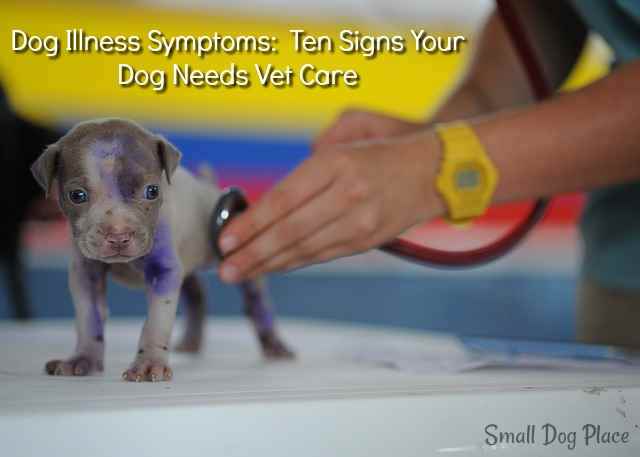
As dog owners, we all get used to our dogs’ normal habits. We know how much they usually eat, how active they are, and what is typical for them day to day.
That is why one of the first signs of illness is often not something dramatic. It is simply that your dog is not acting like themselves.
Some minor problems clear up quickly. Others need veterinary attention right away. Learning to spot the warning signs can help you act sooner and may even prevent a more serious emergency.
This guide covers common symptoms that should get your attention and when it makes sense to call your veterinarian.
Dog Illness Symptoms That Should Get Your Attention
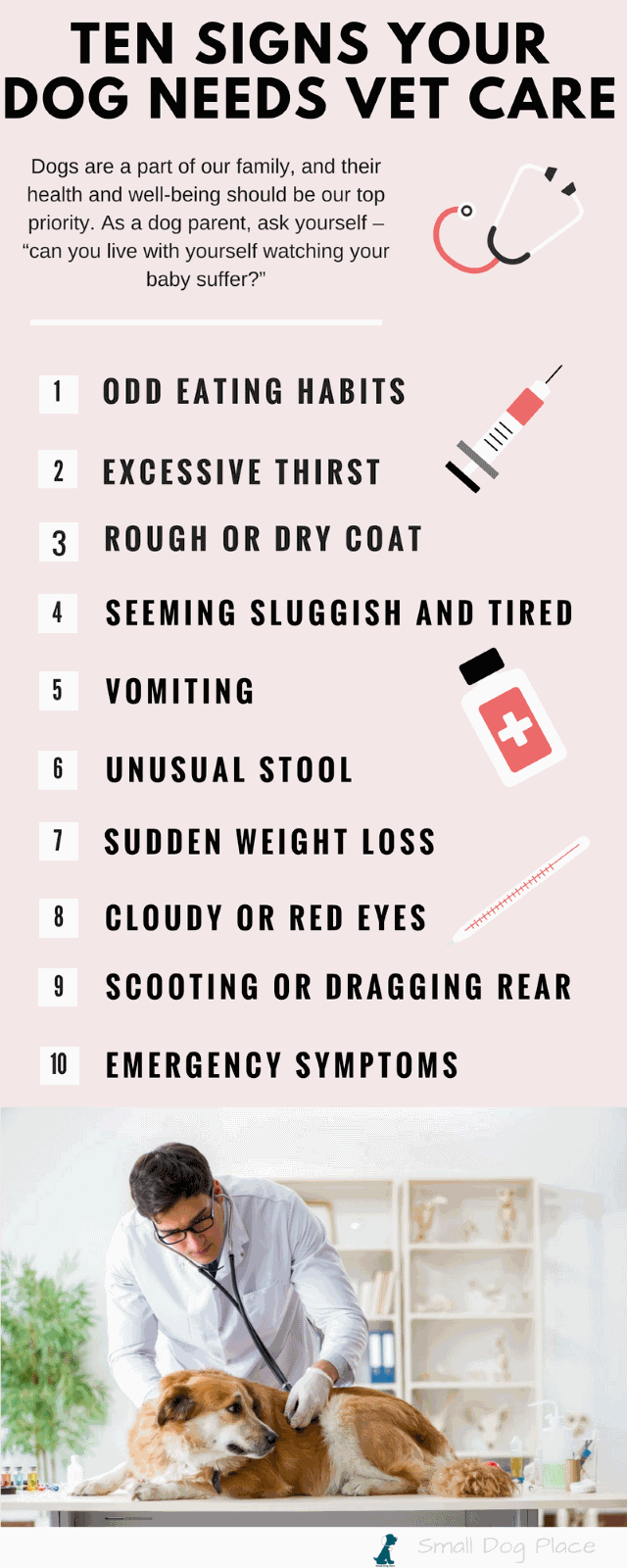
Loss of Appetite or Sudden Changes in Eating
Most dogs are enthusiastic about food, so when a dog suddenly skips meals or seems uninterested in eating, it is worth paying attention.
A mild decrease in appetite can happen on a hot day or during a brief upset stomach. But if your dog refuses more than one meal, eats much less than usual, or suddenly starts acting oddly around food, it may signal pain, digestive trouble, dental problems, infection, or another illness.
Call your vet sooner if your dog:
- refuses food for more than 24 hours
- seems weak or listless
- is vomiting or has diarrhea
- is a puppy, a senior, or a very small dog
Drinking Much More Water Than Usual
Dogs may drink more in warm weather or after exercise, but a noticeable increase in thirst should not be ignored.
Excessive drinking can sometimes be linked to conditions such as kidney problems, diabetes, infection, or medication side effects. You may also notice that your dog needs to urinate more often or is having accidents in the house.
Contact your vet if:
- Your dog is emptying the water bowl much faster than usual
- Increased thirst lasts more than a day
- It happens along with lethargy, weight loss, vomiting, or accidents indoors
A Dull Coat or Changes in Skin and Fur
A healthy dog’s coat usually has a natural shine and feels normal for the breed. If the coat suddenly looks dry, brittle, patchy, greasy, or unkempt, it can be a sign that something is off.
Skin and coat changes may be related to allergies, parasites, skin infections, poor nutrition, hormonal problems, or underlying illness.
Watch for:
- excessive scratching or licking
- bald spots
- flaky skin
- redness, odor, or sores
- sudden coat thinning
Lethargy or Low Energy
Every dog has lazy days, especially in hot weather or after extra activity. But a dog who seems unusually tired, withdrawn, or unwilling to do normal activities may be showing one of the earliest signs of illness.
If your dog does not want to walk, play, climb stairs, or even get up for normal routines, pay attention.
Call your vet if your dog:
- Seems weak or unusually sleepy
- Is difficult to rouse
- Has low energy for more than a day
- Shows other symptoms such as vomiting, diarrhea, limping, or loss of appetite
Repeated Vomiting
An occasional episode of vomiting may happen if a dog eats too fast or gets into something that upsets the stomach. Repeated vomiting is different and should be taken more seriously.
Vomiting can lead to dehydration and may be caused by a wide range of problems, from dietary upset to infection, obstruction, pancreatitis, or toxin exposure.
Seek veterinary advice if:
- Your dog vomits more than once
- Cannot keep water down
- Seems weak or painful
- Vomits blood
- Is a puppy or a very small dog
- Also has diarrhea, bloating, or tremors
Diarrhea, Straining, or Other Stool Changes
Your dog’s stool can tell you a lot about how they are feeling. Loose stool, mucus, blood, straining, or sudden changes in bowel habits can point to digestive upset, parasites, infection, dehydration, or other health problems.
A single soft stool is not always an emergency. Ongoing diarrhea or straining deserves attention, especially in small dogs who can become dehydrated more quickly.
Call your vet if you notice:
- Diarrhea lasting more than 24 hours
- Blood in the stool
- Black, tarry stool
- Repeated straining
- Visible worms
- Vomiting along with diarrhea
Unexplained Weight Loss
Weight loss is easy to miss at first, especially in long-coated dogs. But if your dog is losing weight without a change in diet or exercise, it is worth investigating.
Unplanned weight loss can be associated with dental problems, digestive disorders, chronic illness, diabetes, parasites, or other medical concerns.
You may notice:
- Ribs or spine becoming more prominent
- A loose collar or harness
- Muscle loss
- Reduced appetite or energy
Sudden or continued weight loss is a good reason to schedule a vet visit.
Red, Cloudy, Squinting, or Discharging Eyes
Eye problems can worsen quickly, so changes in your dog’s eyes should never be brushed off.
Redness, cloudiness, squinting, pawing at the face, swelling, or discharge may be caused by irritation, injury, infection, dry eye, glaucoma, or other eye conditions.
Contact your vet promptly if your dog has:
- Red or cloudy eyes
- Yellow, green, or heavy discharge
- Swelling around the eye
- Obvious pain or squinting
- Sudden vision changes
Scooting or Dragging the Rear End
Scooting can happen when a dog has irritation around the rear end. Sometimes the cause is minor, but sometimes it points to anal gland problems, parasites, diarrhea, skin irritation, or another issue that needs attention.
If your dog keeps scooting, licking the area, or seems uncomfortable, it is worth having checked.
Make an appointment if:
- The scooting continues
- The area looks red or swollen
- Your dog cries, strains, or seems painful
- You notice diarrhea or worms
Emergency Warning Signs
Some symptoms mean you should not wait for a routine appointment.
Seek urgent veterinary care if your dog has:
- Trouble breathing
- Collapse or unconsciousness
- Seizures
- Severe bleeding
- A swollen or painful abdomen
- Repeated vomiting with weakness
- Inability to stand
- Signs of severe pain
- Ingestion of something toxic
- Trauma, such as a fall, bite, or broken bone
Trust Your Instincts
You know your dog better than anyone else. If something feels wrong, it is always okay to call your veterinarian and ask what they recommend.
Dogs cannot tell us when they feel sick, so we have to rely on the changes we can see: appetite, energy, drinking, movement, stool, eyes, skin, and behavior.
When in doubt, it is better to ask early than to wait too long.
A Final Note
This article is meant to help you notice warning signs in your dog and decide when to contact a veterinarian. It is not a substitute for professional veterinary care, diagnosis, or treatment.
Pin for Future Reference


More About Janice (author and voice behind this site)
Janice Jones is a small dog specialist with a background in grooming, training, and animal behavior, combining hands-on breeding experience with degrees in psychology and counseling psychology. She has spent 50 years owning and caring for small dogs and 15 years breeding, with early work in veterinary hospitals and shelters, assisting with surgery, lab work, and client care. She shares practical advice at SmallDogPlace.com and across social platforms. A lifelong Shih Tzu enthusiast, she now works alongside her dogs, who rarely leave her side. Visit my " About Me " page for more details.
She is the creator of SmallDogPlace.com, MiracleShihTzu.com, and Smart-Knit-Crocheting.com. A lifelong Shih Tzu enthusiast, she now works alongside her dogs, who rarely leave her side.
Free Monthly Newsletter
Sign Up for Our Free Newsletter and get our Free Gift to You.
my E-book, The Top 10 Mistakes People Make When Choosing a Dog (and how to avoid them)